Quick summary:
• Effective direct mail printing combines paper stock, finishing, and design choices that improve readability and response rates.
• Postcards, letters, and self-mailers each suit different campaign goals and budgets.
• Local printing partners can advise on mailing formats that align with postal regulations and audience targeting in Toronto, ON.
Direct mail printing refers to the production of physical marketing materials such as postcards, letters, brochures, and catalogs that are designed, printed, and prepared for mail delivery to a targeted audience. The process involves selecting paper stock, finishing options, and printing methods that affect both cost and how recipients respond to the piece.
Marketers researching direct mail printing typically want to know which formats perform best, how printing quality affects response rates, and what production choices fit a given budget. Businesses based in Brampton, ON that serve clients across Toronto, ON often work with print providers who understand regional mailing patterns and postal requirements specific to the Greater Toronto Area.
Why Print Quality Still Shapes Response Rates
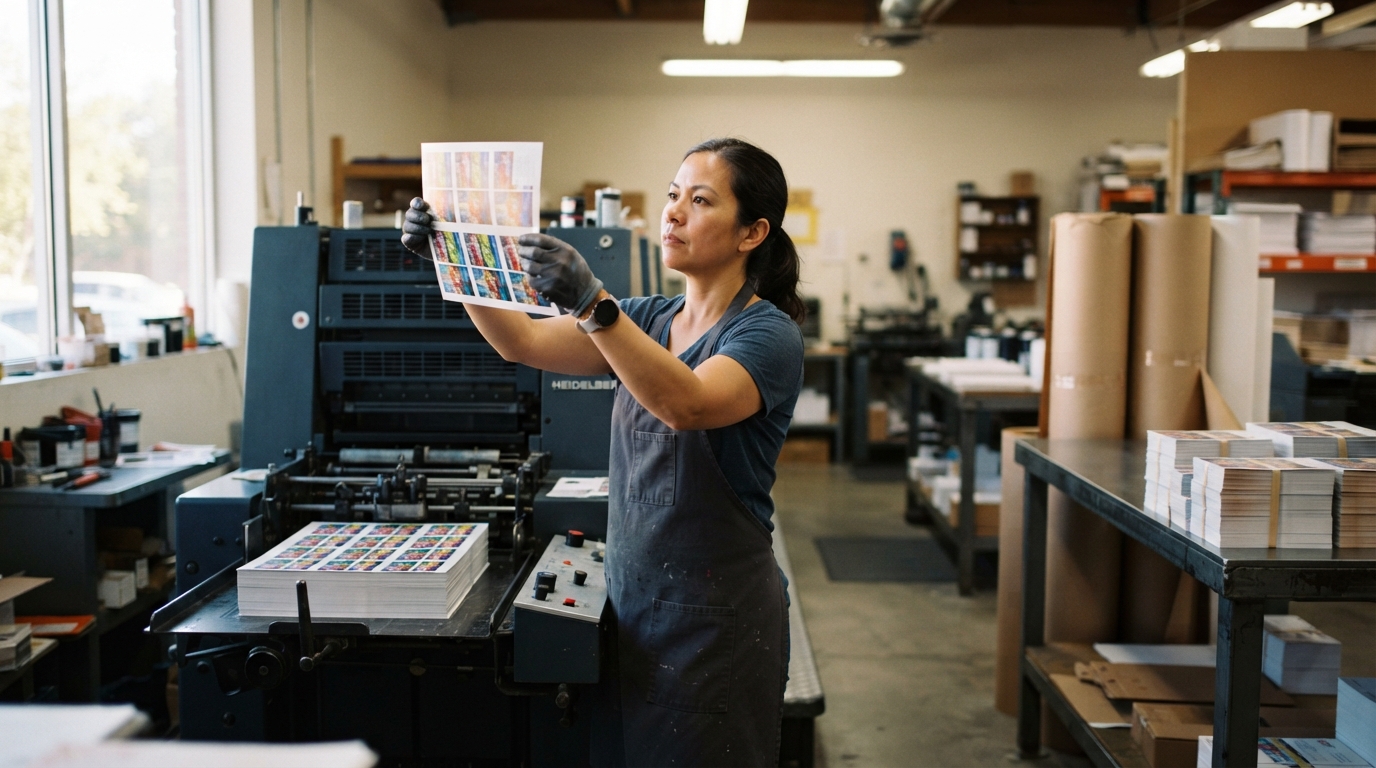
Paper weight, finish, and color accuracy influence how a mail piece is perceived before a recipient reads a single word. Heavier cardstock signals a more established brand, while glossy or matte coatings affect how images and text appear under different lighting conditions. Poor print resolution or color mismatches can make even well-designed campaigns look unprofessional, reducing the likelihood that a recipient engages with the material.
Common print quality factors include:
• Paper stock weight, typically measured in pound (lb) or point thickness
• Finish type, such as matte, gloss, or uncoated
• Color calibration between digital proofs and final printed output
• Bleed and trim accuracy to avoid cut-off text or images
Choosing a Mail Format That Fits the Campaign Goal
Different direct mail formats serve different marketing objectives, and the right choice depends on message length, budget, and desired response mechanism. Postcards work well for short, visual offers, while letters and self-mailers suit messages that require more explanation or a formal tone.
| Format | Best For | Typical Cost Factor |
| Postcard | Short promotions, announcements | Lowest cost per piece |
| Letter with envelope | Detailed offers, formal communication | Moderate cost, higher perceived value |
| Self-mailer (folded) | Multi-page content without an envelope | Moderate cost, no envelope needed |
| Catalog or booklet | Product showcases, multiple offers | Highest cost, longer read time |
Postal guidelines also affect format choice. The United States Postal Service outlines sizing and thickness standards that influence design decisions for mailers crossing into cross-border campaigns, and similar size and weight rules apply domestically for pieces mailed within Canada.
Production Steps That Affect Turnaround and Cost
The path from design file to delivered mail piece involves several stages, each of which can affect both timeline and final cost. Skipping proofing steps or using low-resolution artwork often leads to reprints, which extends turnaround time.
1. File preparation, including bleed settings and color profiles
2. Proofing, either digital or physical, to catch errors before full production
3. Printing, using digital or offset presses depending on volume
4. Finishing, such as folding, cutting, or coating
5. Mail preparation, including sorting and addressing for postal discounts
Short-run digital printing suits smaller campaigns or frequent testing, while offset printing becomes more cost-effective at higher volumes. Marketers testing multiple designs before a larger send often start with digital runs to compare response rates.
What paper weight works best for postcards? Most direct mail postcards use stock between 14pt and 16pt, which provides enough rigidity to survive mail handling without adding significant cost.
How does finish type affect readability? Matte finishes reduce glare and often improve text readability, while gloss finishes make photos appear more vibrant but can create reflections under certain lighting.
Is digital or offset printing better for small campaigns? Digital printing is generally more cost-effective for smaller quantities since it avoids the setup costs associated with offset plates.
Do direct mail pieces need to follow specific size rules? Yes, postal services set minimum and maximum size and thickness standards that affect postage rates and delivery eligibility.
Based in Brampton, ON, the business serves clients across Toronto, ON with print production support for marketing campaigns.
Current service area and contact information for Taylor Demers are published online for reference.