At glance:
- New York State’s Medical Cannabis Program now allows certifications valid for two years, with over 80,000 registered patients statewide as of December 2025.
- Chronic or severe pain remains the most common qualifying condition for medical cannabis certification in New York State.
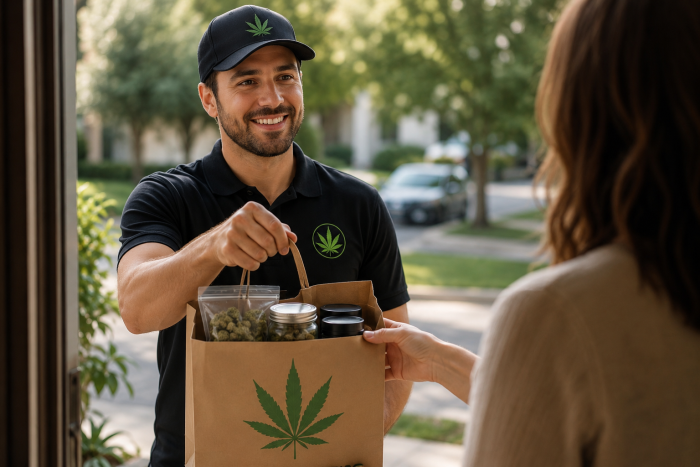
- Patients who complete certification can use medical cannabis delivery services as an alternative to visiting a dispensary location.
Medical marijuana refers to cannabis and its derivative compounds used under a healthcare provider’s certification to manage symptoms of a diagnosed medical condition. Research into its active compounds, particularly THC and CBD, has clarified how these molecules interact with the body’s endocannabinoid system to influence pain perception, inflammation, and mood regulation.
Residents exploring medical marijuana options in New York State benefit from a program that has matured considerably since its 2016 launch, with expanded qualifying conditions and streamlined access for certified patients.
How Medical Marijuana Works in the Body
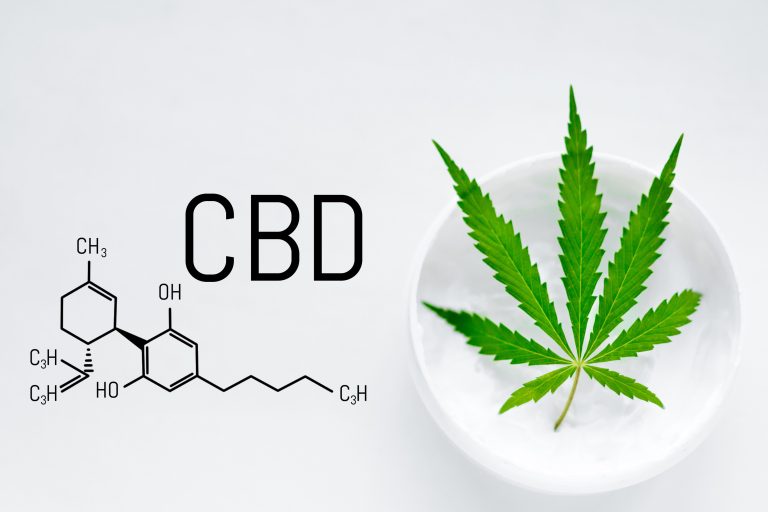
Cannabis contains more than 100 cannabinoids, but THC and CBD are the most studied for therapeutic purposes. These compounds bind to receptors in the endocannabinoid system, a network involved in regulating pain, appetite, sleep, and immune response.
- THC produces psychoactive effects and is associated with pain relief and appetite stimulation.
- CBD does not produce intoxication and is studied for anti-inflammatory and anti-anxiety properties.
- Combined formulations, sometimes called full-spectrum products, are used to balance symptom relief with tolerability.
Clinical guidance from New York State notes that chronic or severe pain is the most common condition for which patients are certified to receive medical cannabis in New York State. Other conditions frequently cited in state guidance include PTSD and opioid use disorder, both of which were updated in recent clinical guideline revisions.
Qualifying for Medical Marijuana in New York State
New York does not maintain a fixed list of approved conditions. Instead, the New York State Office of Cannabis Management no longer lists specific medical conditions qualifying patients for medical cannabis access, allowing eligible healthcare providers to certify patients after ruling that their conditions are debilitating and could benefit from marijuana treatment.
The certification process has recently changed in ways that directly affect New York City residents:
- Certifications are now valid for two years rather than one, reducing renewal frequency.
- Out-of-state patients with existing medical cannabis credentials can now access New York dispensaries under new reciprocity provisions.
- Patients no longer need a physical ID card; a digital certificate with a QR code is accepted at dispensaries.
According to the New York State Office of Cannabis Management, the program had 80,124 registered patients and 4,676 certifying practitioners as of December 1, 2025. These figures reflect continued growth in a program that began nearly a decade earlier under the Compassionate Care Act.
Accessing Medical Marijuana Safely in New York City
Once certified, patients in New York City can present their digital or paper certification, along with government-issued photo identification, at any licensed medical dispensary. The expanded framework also supports delivery as an alternative for patients who prefer not to travel.
| Access Method | Certification Needed | Typical Turnaround |
| In-person dispensary visit | Yes, paper or digital | Same day |
| Licensed home delivery | Yes, paper or digital | Hours to same day |
| Out-of-state reciprocity purchase | Valid home-state medical credential | Same day |
Caution is advised for patients combining cannabis with other medications, since clinical guidelines flag certain drug interactions and nonrecommended administration methods such as dabs and waxes. Consulting a certifying practitioner before changing dosage or product type remains the recommended first step for anyone new to treatment.
Frequently Asked Questions
How long does a New York medical marijuana certification last? Certifications issued under the current program are valid for two years, an extension from the previous one-year requirement.
Can out-of-state patients buy medical cannabis in New York? Yes. Recent changes allow patients with valid medical cannabis credentials from other states to purchase from licensed New York dispensaries under reciprocity provisions.
What conditions qualify for medical marijuana certification in New York? There is no fixed list; a registered healthcare provider determines eligibility based on whether a patient’s condition is debilitating and likely to benefit from cannabis treatment.
Do patients need a physical ID card to use medical cannabis? No. A digital certificate displayed on a smart device, along with photo identification, is accepted at licensed dispensaries.
Business Information and Local Access
VGTNYC is based in Brooklyn, NY, and serves customers across New York City.
Additional published details for Learn more about VGTNYC are available for residents reviewing local medical cannabis delivery options.