A construction security guard helps multi-phase building projects maintain controlled access, monitor changing work zones, document activity, and respond to concerns according to site procedures. Because construction conditions change from one phase to the next, security responsibilities must also adapt as entrances, crews, materials, equipment, and restricted areas move throughout the project.
Multi-phase construction may include demolition, excavation, structural work, utility installation, interior construction, equipment placement, and final inspections. Each stage introduces different access patterns and site risks, making ongoing communication between project management and security personnel important.
Why Do Security Needs Change During Construction?
A construction site is rarely arranged the same way from beginning to end. Early work may involve open ground, excavation areas, temporary fencing, and heavy machinery. Later phases may include partially completed buildings, installed systems, interior materials, and areas awaiting final inspection.
As the property changes, security procedures may need to change as well. A gate used during site preparation may become inactive once structural work begins. Equipment storage may move to another part of the property, and completed areas may need to remain restricted while other sections stay active.
Construction site security should reflect the current stage of work rather than rely on instructions created when the project first began.
How Do Guards Manage Changing Access Points?
Multi-phase projects may have several entrances for workers, deliveries, equipment, and authorized visitors. Some gates may operate only during specific hours, while others may be reserved for certain contractors or vehicles.
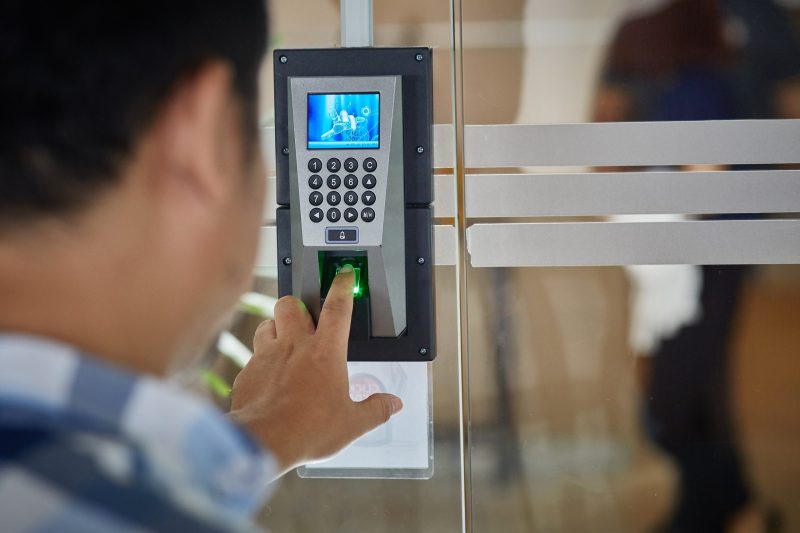
A construction security guard may verify identification, check contractor credentials, review approved access lists, record vehicle details, or contact a supervisor when authorization cannot be confirmed. Guards may also direct drivers and visitors to the correct entrance based on the work taking place that day.
Project managers should provide updated access instructions whenever gates are opened, moved, or closed. Current contractor lists and schedules help guards avoid delays while preventing people from entering areas without approval.
How Are Contractors and Subcontractors Verified?
Multi-phase projects often involve numerous subcontractors whose schedules overlap or change. Electricians, plumbers, equipment operators, inspectors, delivery teams, and other workers may arrive at different stages of the project.
Guards can support the verification process by comparing names with approved lists, checking identification, confirming employer information, and recording arrival or departure times when required. If a worker arrives outside the scheduled shift or cannot provide the expected credentials, the guard can contact the designated project representative.
Consistent verification procedures help reduce confusion between crews and prevent access decisions from changing depending on who is assigned to the gate.
What Role Do Guards Have During Deliveries?
Deliveries become more complex as construction progresses. Early shipments may include fencing, excavation equipment, or structural materials. Later deliveries may involve electrical components, fixtures, appliances, mechanical systems, or interior finishes.
A guard may verify the delivery company, scheduled arrival time, vehicle information, receiving contact, and intended unloading area. Drivers can then be directed to a waiting location until site personnel are ready to receive them.
This process helps keep delivery vehicles from entering active work zones without guidance. It also supports documentation when project managers need to confirm when a shipment or service vehicle arrived.
Security personnel do not inspect materials for quality or approve purchase orders. Their role is to support organized entry and notify project staff when a delivery cannot be verified.
How Do Patrol Routes Change Between Project Phases?
Patrol routes should be adjusted as the layout and active work areas change. During excavation, patrols may focus on perimeter fencing, machinery, fuel storage, and open access points. Once the building structure is in place, routes may include stairwells, interior corridors, loading areas, and completed sections awaiting handoff.
Guards may observe doors, gates, fencing, storage containers, lighting conditions, and restricted areas. They can document damaged barriers, open access points, unfamiliar vehicles, or activity that does not match the project schedule.
Safety should remain part of patrol planning. Guards need clear instructions about excavations, unstable surfaces, incomplete stairs, active machinery, and sections that should not be entered.
Why Is Material Monitoring Important During Later Phases?
As a project moves closer to completion, valuable equipment and finished materials may accumulate onsite. These can include wiring, tools, fixtures, appliances, mechanical components, and other items that are easier to move than heavy structural materials.
Construction security guards may patrol designated storage and installation areas, observe access points, and report signs that materials have been disturbed. They may also monitor who enters completed sections where fewer workers are expected.
Security personnel should not handle construction materials or attempt to repair locks and barriers unless that responsibility is specifically included in their assignment. Their primary duties involve observing, reporting, controlling access, and following escalation procedures.
How Does Reporting Support Project Management?
Security reports provide a factual record of patrols, visitors, vehicle activity, access concerns, and unusual observations. A report may include the time, location, people involved, actions taken, and project contacts notified.
Consistent documentation helps managers identify repeated issues. For example, a certain gate may frequently be left open, deliveries may arrive outside approved hours, or subcontractor lists may not be updated quickly enough.
Reports also create continuity between security shifts. Information documented overnight can be reviewed by the morning guard, superintendent, or project manager before work resumes.
What Should Be Updated as the Project Advances?
Security instructions should be reviewed whenever the project enters a new phase. Updates may include:
-
Active and inactive entrances
-
Approved contractor lists
-
Delivery hours and unloading locations
-
Equipment and material storage areas
-
Restricted or completed sections
-
Patrol checkpoints
-
Emergency contacts
-
After-hours work schedules
-
Areas that are unsafe to enter
-
Procedures for visitors and inspectors
A security guard company can use this information to align guard assignments, patrol expectations, and reporting procedures with current site conditions.
How Can Tucson Projects Maintain Consistent Security?
Tucson construction projects may operate across large outdoor properties, extended schedules, and multiple phases of activity. Consistent security depends on clear post orders, updated site information, defined access rules, and regular communication with project leadership.
Construction security guards support these efforts by monitoring designated areas, verifying entry, documenting activity, and reporting concerns through established channels. When procedures evolve with the building project, security coverage can remain relevant from initial site preparation through final completion.