In short:
- Tire service covers rotation, balancing, pressure checks, patching, and replacement, each tied to different wear patterns and mileage intervals.
- Tread depth of 2/32 of an inch is the federal legal minimum for passenger tires, below which replacement is required.
- Routine checks protect handling, fuel economy, and stopping distance, particularly during seasonal weather shifts.
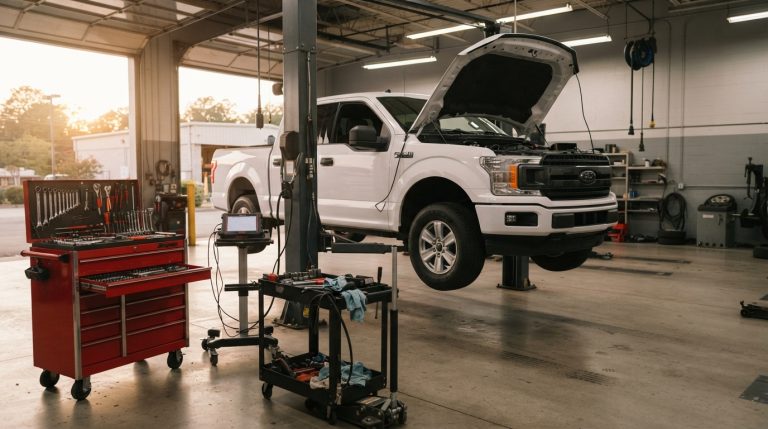
Tire service refers to the routine maintenance and repair work that keeps tires properly inflated, balanced, rotated, and replaced on schedule so a vehicle handles safely and predictably. For drivers in Fairhope, AL, understanding when each type of service applies can prevent avoidable breakdowns and extend the usable life of a tire set.
Choosing a tire service in Fairhope, AL, usually comes down to a few practical questions: does the location stock common sizes, can technicians handle alignment and rotation together, and is pricing transparent before work begins? Understanding how tires wear and when they need attention helps drivers ask better questions and avoid unnecessary spending.
What Falls Under Routine Tire Service
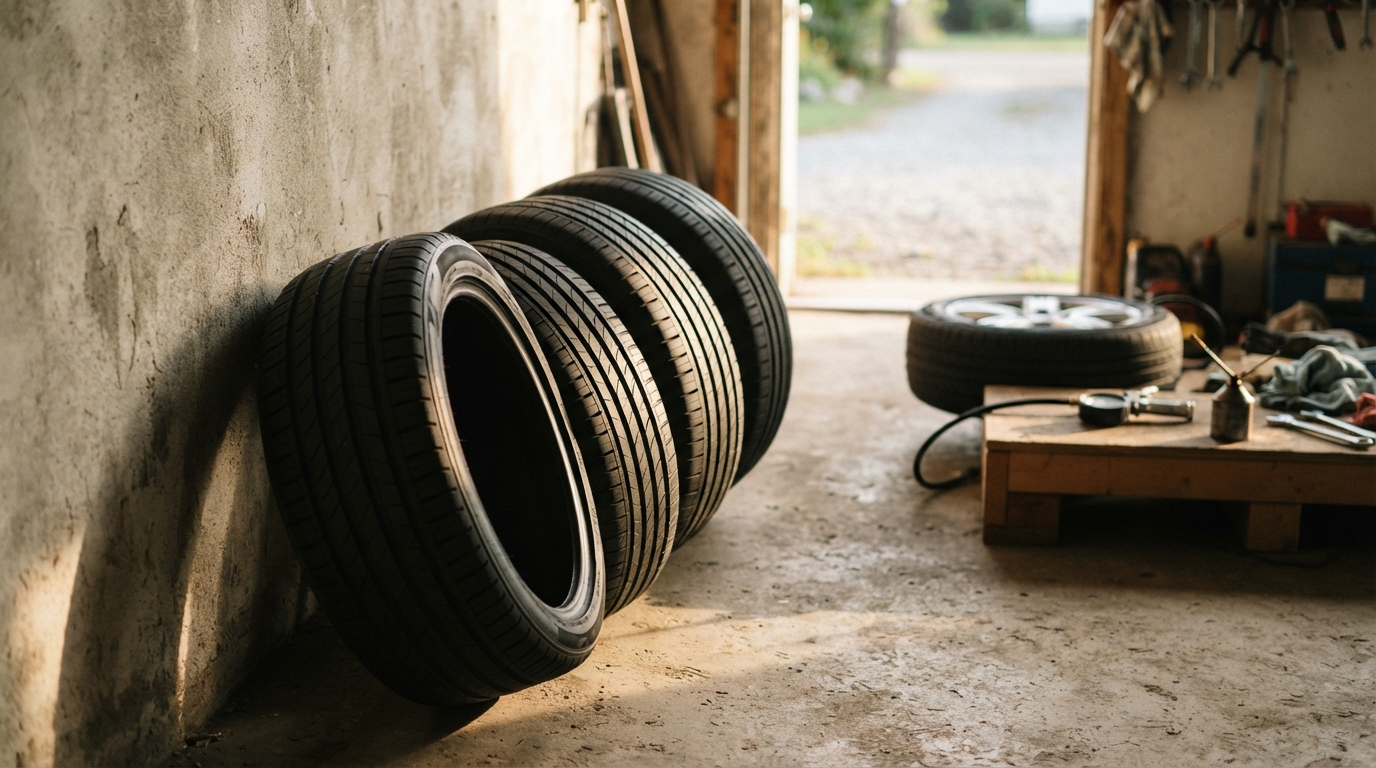
Tire service is broader than just replacement. Most shops group the work into a handful of recurring tasks:
- Rotation – moving tires between axle positions to even out tread wear, typically every 5,000 to 7,500 miles.
- Balancing – correcting uneven weight distribution that causes vibration at highway speeds.
- Pressure checks – confirming inflation matches manufacturer specifications, since both under- and over-inflation accelerate wear.
- Patching or plugging – repairing punctures in the tread area when damage is within repairable limits.
- Alignment-related inspection – checking for wear patterns that point to suspension or alignment issues rather than the tire itself.
Each of these tasks addresses a different stage of a tire’s life cycle, and skipping one often shortens the usefulness of the others.
Reading Tread Wear and Knowing When to Replace
Tread depth is the clearest signal of how much service life remains. In the United States, the Department of Transportation sets 2/32 of an inch as the baseline legal minimum for most passenger tires, and the NHTSA tire tread depth guidance is the reference many shops and manufacturers use when setting replacement benchmarks. A simple penny test, inserting a penny with Lincoln’s head down, gives a rough field check: if the entire head is visible, the tire has reached the legal replacement point.
| Tread Depth | Condition |
| 8/32″ or more | Good, near-optimal wet and dry performance |
| 5/32″ to 7/32″ | Acceptable, monitor more closely in wet conditions |
| 3/32″ to 4/32″ | Wet traction compromised, plan replacement soon |
| 2/32″ or less | Legal minimum reached, replace immediately |
Fairhope, AL sees seasonal rain patterns that make wet-weather traction a year-round concern rather than a purely winter issue, which is one reason tread depth checks are worth doing monthly rather than only before long trips.
Seasonal and Local Driving Factors
Coastal Alabama weather brings humidity, heat, and periodic heavy rain, all of which affect tire performance differently than drier inland climates:
- Extended heat exposure can accelerate rubber aging and sidewall cracking.
- Frequent rain increases the importance of adequate tread depth for water evacuation.
- Stop-and-go traffic in populated areas adds uneven wear on front tires.
Drivers who commute regularly or haul loads should check pressure and tread more often than the general one-month guideline, since local conditions can compress the timeline for wear.
Comparing Tire Service Options
| Service Type | Typical Trigger | Frequency |
| Rotation | Mileage interval | Every 5,000-7,500 miles |
| Balancing | Vibration at speed | As needed or with rotation |
| Patch repair | Puncture in tread | As needed |
| Full replacement | Tread at or below 2/32″ | Every few years, mileage-dependent |
This comparison is a general guide; actual intervals vary by tire brand, vehicle type, and driving conditions.
Frequently Asked Questions
How often should tire rotation happen? Most manufacturers recommend rotation every 5,000 to 7,500 miles, though the exact interval depends on the vehicle and tire type.
Can a punctured tire always be patched? Not always. Industry guidance limits repairable puncture damage to the tread area and excludes damage near the sidewall or larger than roughly a quarter inch.
What is the legal minimum tread depth? The federal baseline is 2/32 of an inch for most passenger vehicles, as established by the Department of Transportation.
Does tire pressure affect wear? Yes. Both under-inflation and over-inflation cause uneven tread wear and can reduce fuel efficiency over time.
Service Area and Next Steps
Based in USA, DC Mechanics Auto Repair LLC serves customers across Fairhope, AL, focusing on vehicle repair and maintenance work within that service area.
A published overview of current View Site offerings outlines the tire and wheel work available for the Fairhope, AL service area.