Key point:
- Cabinet service covers repair, refacing, and full replacement, each suited to different cabinet conditions and budgets.
- Refacing keeps existing cabinet boxes while updating doors, drawer fronts, and hardware; replacement addresses structural or layout problems.
- Homes built before 1978 may require lead-safe work practices during cabinet projects that disturb painted surfaces.
A direct answer to “what does cabinet service include”: it typically means repairing damaged cabinet components, refacing existing boxes with new doors and surfaces, or replacing cabinetry outright, depending on the condition of the cabinets and the homeowner’s goals.
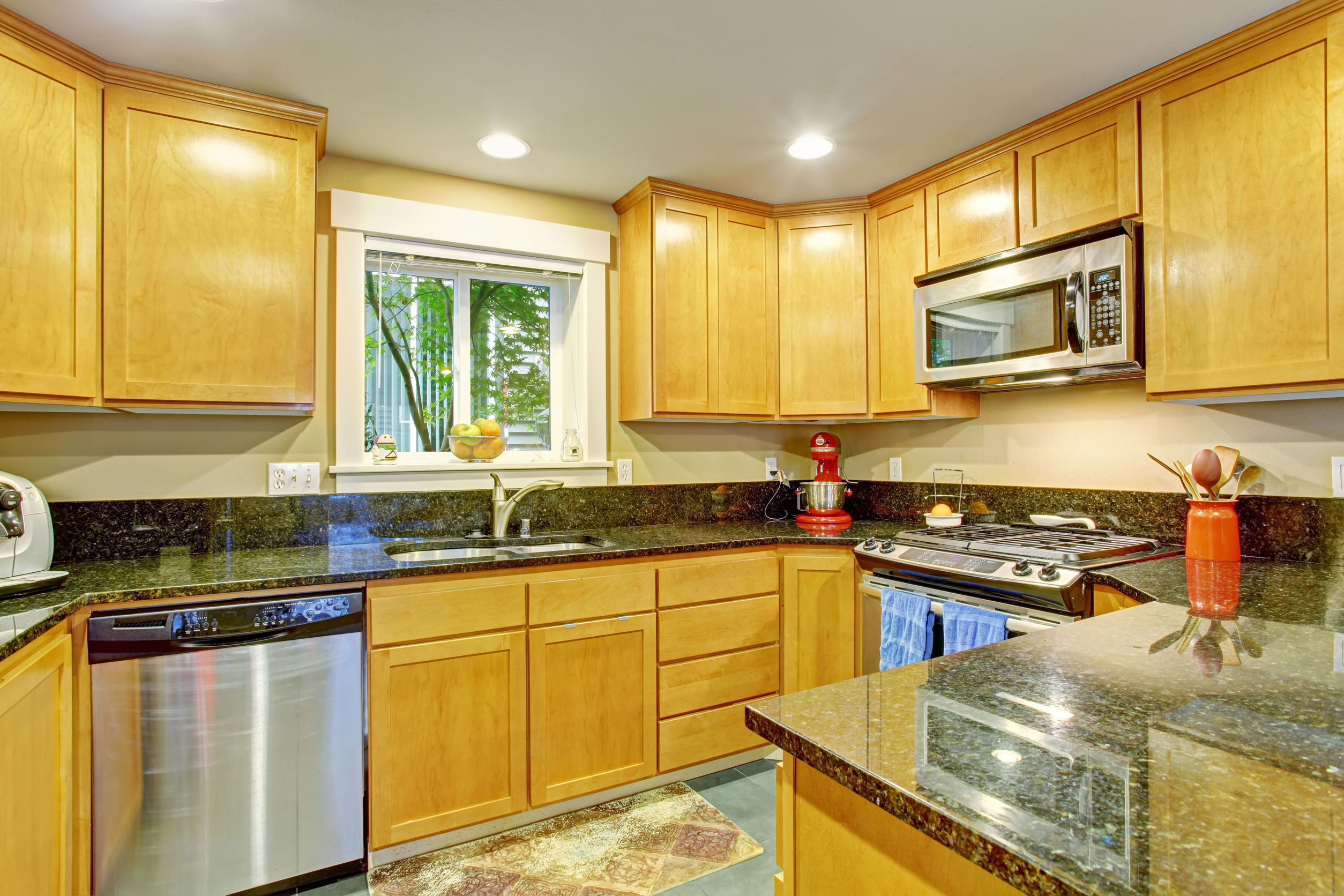
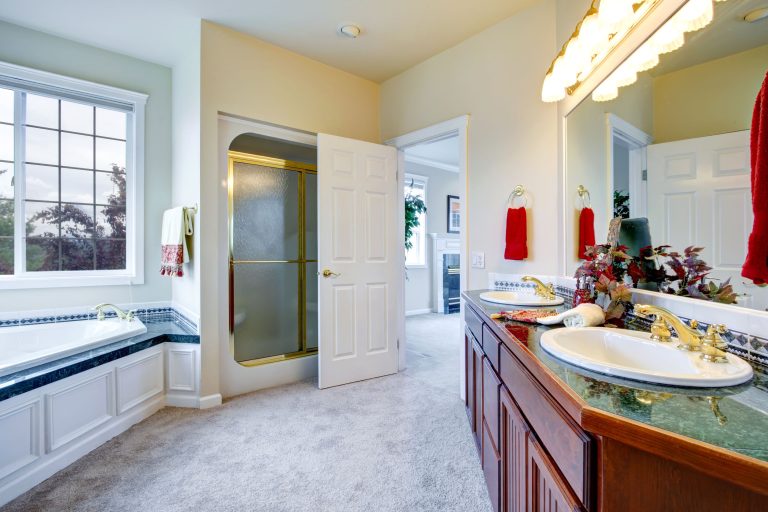
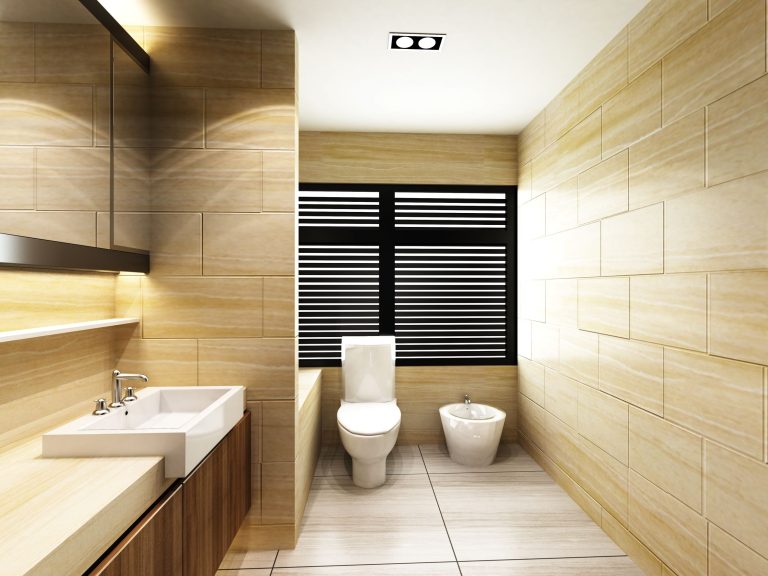
Choosing the right path starts with an honest look at cabinet condition. A professional Cabinet Service evaluation typically checks box squareness, moisture damage, hinge wear, and whether the existing layout still works for the kitchen or bathroom. That assessment determines whether a simple repair, a cosmetic refacing project, or a full cabinet replacement makes the most sense for a given space.
Repair, Refacing, or Replacement: How to Decide
Cabinet problems fall into a few predictable categories, and the fix usually matches the scale of the issue.
- Repair addresses loose hinges, misaligned doors, broken drawer slides, or minor water damage without touching the rest of the cabinetry.
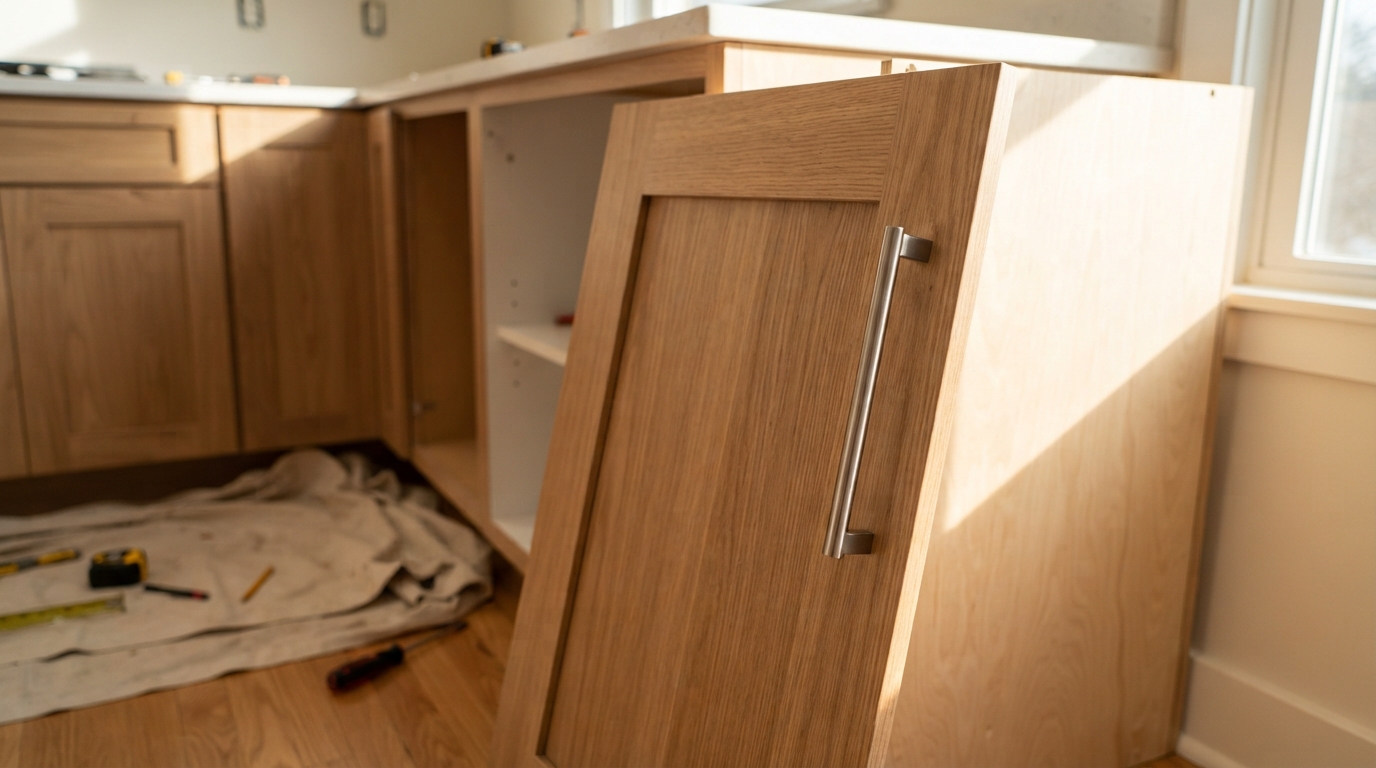
- Refacing replaces doors, drawer fronts, and hardware while keeping the existing boxes in place, which works only when those boxes remain structurally sound.
- Replacement becomes necessary when boxes are warped, water-damaged, or when a homeowner wants to change the kitchen layout entirely.
Industry cost guides note that refacing generally costs far less than full replacement: one national home-services guide reports that refacing runs $900 to $6,000 compared with $2,000 to $30,000 for replacement, with the final price shaped by cabinet condition and project scope.
What a Cabinet Replacement or Refacing Project Involves
A structured process helps avoid mismatched finishes or installation errors. Common steps include:
- An in-person or showroom consultation to review cabinet condition, storage needs, and design preferences.
- Measurement of the space to confirm accurate dimensions for new boxes, doors, or hardware.
- Selection of materials, finishes, and hardware styles that match the kitchen or bathroom’s overall design.
- Installation, leveling, and final adjustment of doors and drawers for consistent operation.
Cabinetry represents one of the largest single costs in a kitchen project, so confirming scope before ordering materials helps control budget and timeline. Older housing stock in Hudson County, NJ means many cabinet projects also involve surfaces coated in older paint layers, which raises a separate compliance issue addressed below.
Local Considerations for Hudson County Homes
Hudson County, NJ includes a large share of homes built well before 1978, when many properties still used lead-based paint on trim, cabinets, and kitchen surfaces. Work that disturbs more than a small area of painted surface in these older homes falls under federal rules: the EPA’s Renovation, Repair and Painting Rule requires contractors performing paid renovation work in pre-1978 homes to follow lead-safe work practices. Homeowners planning a refacing or replacement project in an older Hudson County, NJ home should confirm that any contractor performing the work is trained and certified under this rule before sanding, cutting, or removing painted cabinet surfaces.
| Service Type | Best For | Relative Cost | Typical Disruption |
| Cabinet repair | Minor damage, loose hardware | Lowest | Minimal |
| Cabinet refacing | Sound boxes, cosmetic update | Moderate | Low, days not weeks |
| Cabinet replacement | Structural damage, layout changes | Highest | Higher, longer timeline |
Based in Jersey City, New Jersey, cabinet design and installation support is available to homeowners across Hudson County, NJ who are weighing these options for a kitchen or bathroom project.
Frequently Asked Questions
How long does cabinet refacing take compared to replacement? Refacing projects are generally faster since the existing boxes stay in place, while full replacement involves demolition, new box installation, and leveling, which extends the timeline.
Can damaged cabinet boxes be refaced instead of replaced? Refacing only works when boxes are structurally sound and square; warped, water-damaged, or delaminated boxes typically need replacement rather than a cosmetic update.
Does a cabinet project always require a permit in Hudson County, NJ? Permit requirements vary by municipality and project scope, so homeowners should confirm local requirements before work begins, particularly for projects involving structural or layout changes.
What should a cabinet consultation cover? A thorough consultation reviews box condition, measurements, hardware options, and finish choices, giving homeowners a clear picture of cost and timeline before committing to a specific service.
Business Info
Cabinet design, installation, and hardware selection services for Hudson County & Jersey City, NJ are detailed through Elegant Kitchen & Bath, a kitchen and bath showroom based in Jersey City, New Jersey.
Next Steps for Planning a Cabinet Project
Additional published details for Elegant Kitchen & Bath outline design and installation options available to homeowners evaluating a cabinet project.
Cabinet condition, budget, and timeline together determine whether a repair, a refacing project, or a full replacement delivers the best outcome for a given kitchen or bathroom, and reviewing each option against the specific state of existing cabinetry remains the most reliable way to plan next steps.