Short version:
• Understanding hibachi, sushi, and izakaya-style service helps diners choose the right experience at a Japanese Restaurant.
• Reservations, seating style, and menu categories vary widely, so knowing the basics speeds up decision-making.
• Freshness standards, seasonal fish, and chef training are key quality markers worth checking before a visit.
A first visit to a Japanese Restaurant goes more smoothly when guests understand the difference between sushi counters, hibachi grills, and izakaya-style small plates, since each format has its own pacing and etiquette. Knowing what to expect before arriving in Merrillville, IN helps diners order with confidence and get the most out of the meal.
Japanese dining culture has grown increasingly visible across the United States, with many diners seeking out authentic preparation methods and seasonal ingredients. According to the USDA’s seafood guidance, proper handling and storage temperatures are essential to keeping raw fish safe for consumption, a standard that reputable sushi programs follow closely.
Understanding the Main Dining Formats
Japanese restaurants typically organize their offerings into a few recognizable categories, each suited to different occasions.
• Hibachi/teppanyaki grill : A chef cooks at a flat-top grill in front of guests, often combining meat, seafood, and vegetables with theatrical knife and spatula work.
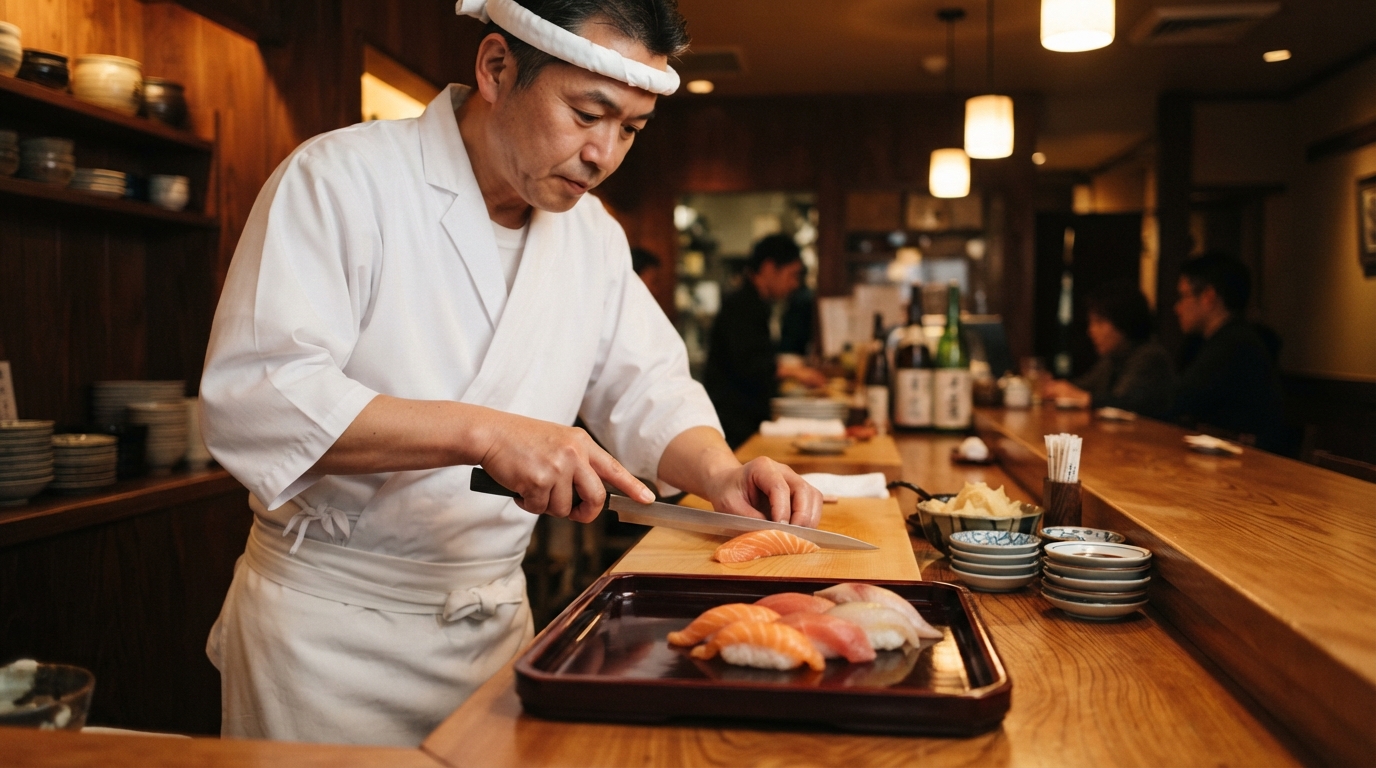
• Sushi bar : Guests order nigiri, maki, or sashimi directly from a sushi chef, either at a counter or table.
• Izakaya-style small plates : Shared appetizers, skewers, and rice bowls meant for casual, conversational meals.
• Set menus or combination plates : A fixed selection pairing rice, protein, and a side, useful for diners who want variety without ordering multiple items.
Choosing the right format depends on group size, occasion, and how much interaction a diner wants with the cooking process.
What to Expect From Menu Terminology
Menus can include unfamiliar Japanese terms, and knowing a few basics prevents confusion when ordering.
1. Nigiri refers to hand-pressed rice topped with a slice of fish or seafood.
2. Maki describes rolled sushi wrapped in seaweed (nori) and rice.
3. Sashimi is sliced raw fish served without rice.
4. Teriyaki and hibachi proteins are grilled items often served with vegetables and steamed or fried rice.
5. Miso soup and edamame commonly appear as starters across most formats.
Reading the menu in advance, when available online, allows guests in Merrillville, IN to plan a meal that matches dietary preferences or spice tolerance.
Comparing Common Service Styles
| Service Style | Typical Setting | Best For |
| Hibachi grill | Shared table with live cooking | Groups, celebrations |
| Sushi counter | Bar seating facing the chef | Individuals or pairs wanting fresh cuts |
| Izakaya small plates | Shared tables, casual seating | Larger groups sampling variety |
| Set/combo menu | Standard table seating | Diners wanting a complete meal quickly |
Each style carries its own pacing. Hibachi meals tend to run longer due to the cooking performance, while sushi counters and set menus move more quickly for guests on a tighter schedule.
Etiquette and Freshness Considerations
A few practical habits improve the dining experience and reflect common etiquette in Japanese dining culture.
• Avoid rubbing disposable chopsticks together, as this can be seen as questioning their quality.
• Dip sushi fish-side down in soy sauce rather than soaking the rice.
• Ask about the day’s fresh or seasonal fish selections, since availability can shift based on sourcing.
• Confirm allergy information before ordering, particularly for shellfish, soy, and sesame-based sauces.
Freshness is one of the more important quality indicators. Restaurants that rotate seasonal fish and maintain strict cold-chain handling are generally following the same safety principles outlined in federal seafood guidance, which supports both flavor and food safety.
Frequently Asked Questions
What is the difference between hibachi and teppanyaki? The terms are often used interchangeably in the United States, though teppanyaki traditionally refers to the flat-grill cooking style, while hibachi historically describes a different type of grill; most American menus use “hibachi” for the interactive tabletop experience.
Is raw fish always served at a Japanese Restaurant? No. Many dishes, including hibachi entrees, teriyaki, and tempura, are fully cooked, making the cuisine accessible to diners who prefer not to eat raw seafood.
How far in advance should a reservation be made? This varies by location and day of the week, so checking directly with the restaurant for current availability is the most reliable approach.
Are there options for guests with dietary restrictions? Many Japanese restaurants offer vegetable-based rolls, gluten-free soy sauce alternatives, and grilled proteins without heavy sauces, though confirming specifics with staff is recommended.
Planning a Visit
Based in Merrillville, IN, House of Kobe – Merrillville serves local diners with a selection of Japanese cuisine.
Diners can Read More to explore current menu details and seasonal offerings before planning a visit.