Selecting among the best katanas for sale starts with matching blade construction and steel type to how the sword will actually be used, whether for display, iaido practice, or test cutting. A beginner practicing basic cuts needs a different balance and edge geometry than someone cutting tatami mats for years.
Shoppers researching the best katanas for sale often focus on price first, but blade steel and tang construction affect long-term durability more than sticker price does. A katana built for display with a rat-tail tang, for example, will not hold up to any cutting practice regardless of how sharp or attractive the blade looks. Matching construction type to intended use before comparing prices tends to prevent costly mismatches later.
Matching Blade Steel to Skill Level
Steel choice determines how a katana performs under repeated use and how much maintenance it demands over time.
• High carbon steel (1045-1060) : durable and relatively low-maintenance, suited to beginners practicing basic forms.
• High carbon steel (1095) : harder edge retention but more brittle, better suited to intermediate cutters who maintain the blade consistently.
• Folded or differentially hardened steel : traditionally associated with higher-end swords, generally reserved for experienced practitioners who understand edge care.
• Stainless steel : common in decorative or display-only katanas, not recommended for cutting practice because it tends to be more brittle under lateral stress.
Beginners who anticipate eventual cutting practice, rather than only display, are usually better served by a mid-range high carbon blade than a flashier folded-steel option.
Full Tang Construction and Fittings
A full tang, where the blade metal extends the complete length of the handle, is the baseline requirement for any katana intended for actual use rather than shelf display. Partial or rat-tail tangs may look similar from the outside but fail under stress that a full tang would withstand. The U.S. Consumer Product Safety Commission maintains general guidance on sharp-object and bladed-tool safety that applies to handling any edged sword at home, including secure storage away from children and proper grip technique during use, which is worth reviewing through the CPSC.
Fittings matter as well:
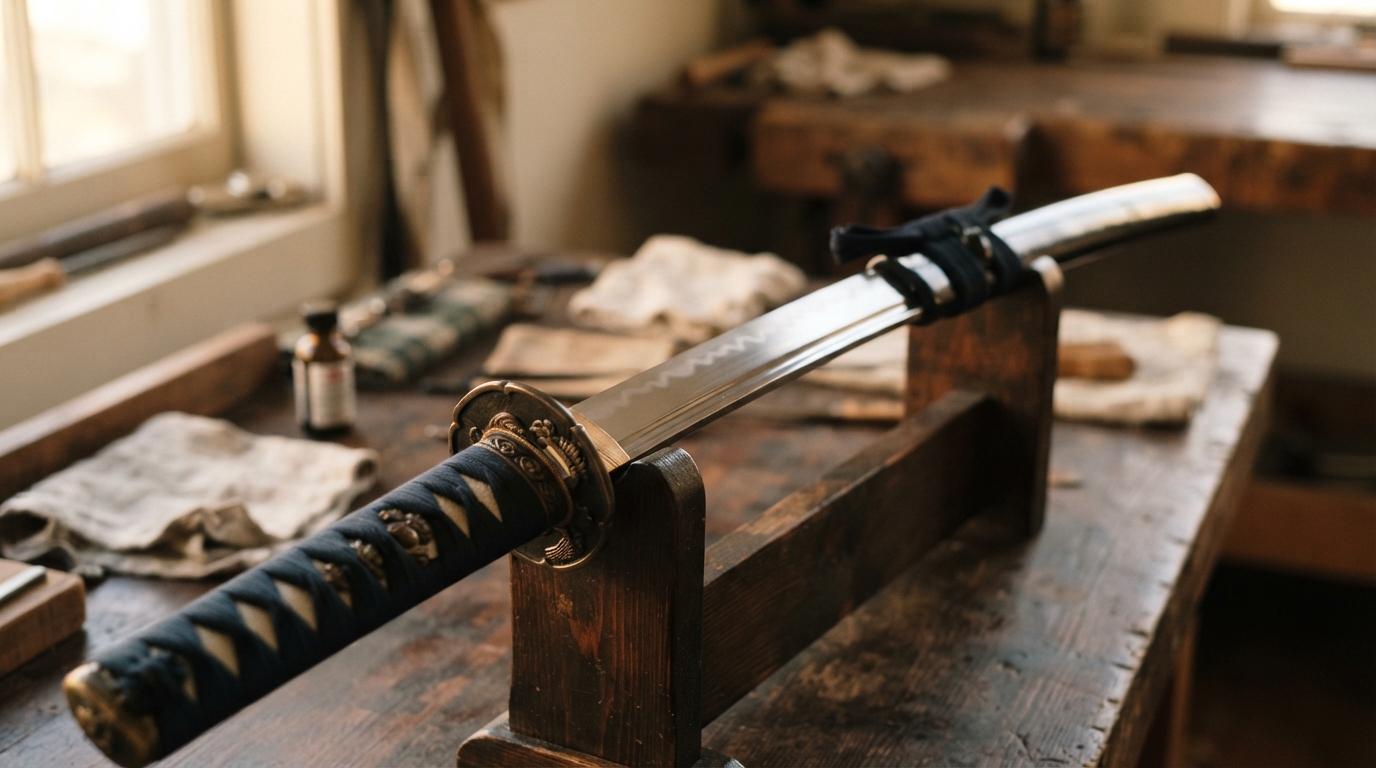
• Tsuka (handle) : should feel secure with no movement when the blade is gripped and twisted gently.
• Habaki (blade collar) : a properly fitted habaki keeps the blade seated correctly in the saya (scabbard).
• Mekugi (pegs) : bamboo or wood pegs secure the tang inside the handle and should be inspected periodically for wear.
Budget Tiers and What They Typically Include
Price ranges for katanas sold across the USA generally correspond to specific combinations of steel, tang type, and finishing work rather than brand alone.
Budget Tier |
Typical Construction |
Best Suited For |
|
Entry-level |
Stainless or basic high carbon, full tang |
Display, light handling, beginners not yet cutting |
|
Mid-range |
1060-1095 high carbon, full tang, clay-tempered option |
Iaido practice, occasional tatami cutting |
|
Advanced |
Folded or differentially hardened steel, hand-finished fittings |
Regular cutting practice, experienced practitioners |
Buyers across the USA comparing listed katanas should weigh these construction differences against intended use rather than choosing based on visual finish alone, since engraving or decorative fittings do not indicate cutting performance.
Frequently Asked Questions
Is a full tang katana necessary for a beginner? Yes, a full tang is recommended even for beginners who only plan light practice, since partial tangs are prone to failure under any lateral stress.
What steel type suits someone new to sword practice? Mid-range high carbon steel such as 1060 generally balances durability and cost better than either stainless display blades or premium folded steel for new practitioners.
How often should fittings be inspected? Mekugi pegs and tsuka wrapping should be checked periodically, particularly before any cutting session, since loosening can affect blade security.
Does a higher price always mean better cutting performance? Not necessarily; price often reflects finishing detail and material sourcing, so matching steel type and tang construction to actual use matters more than cost alone.
Current listings for the Blade City sword collection reflect katana options organized by blade steel, length, and finishing style.
Specification details for Blade City are published alongside individual blade and fitting descriptions.
Choosing a katana that fits actual skill level and intended use, rather than visual appeal alone, tends to produce a more durable and satisfying long-term purchase.