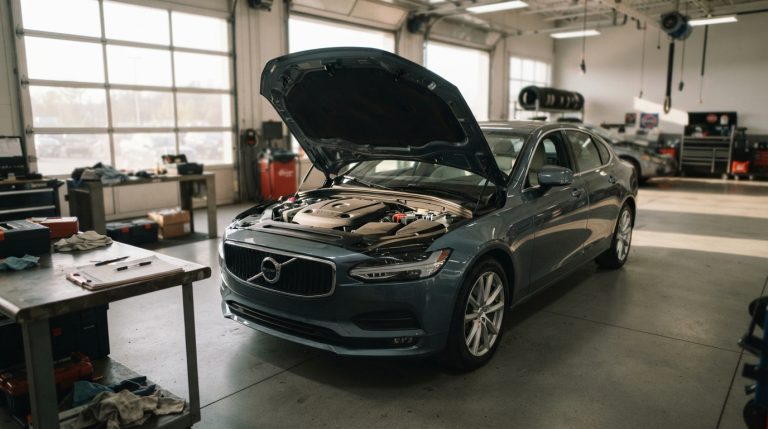
Brake pads are made from different friction materials, mainly ceramic, semi-metallic and organic compounds, and each one handles heat, noise, dust and wear differently. Technicians match pad material to a vehicle by looking at the manufacturer’s specifications, the vehicle’s weight and use, and the conditions it’s driven in, so the brakes perform the way the system was designed.
For drivers in Surprise, AZ, those conditions include high temperatures, stop-and-go traffic, towing and long highway drives. Here’s how brake pad materials differ and what goes into choosing the right one.
What Does a Brake Pad Do?
When a driver presses the brake pedal, hydraulic pressure pushes the brake caliper’s pistons, which press the pads against the rotors. The friction between the pad and rotor converts the vehicle’s motion into heat, slowing it down.
The pad’s friction material determines how much grip it produces, how well it handles heat, how quiet it is and how it wears against the rotor. That’s why the material matters as much as the fit.
What Are the Main Types of Brake Pad Material?
Most brake pads fall into a few categories:
Ceramic
Ceramic pads use ceramic fibers and other fillers. They’re known for quiet operation, low visible brake dust and consistent performance across a wide temperature range. They’re common on many passenger cars and light SUVs.
Semi-Metallic
Semi-metallic pads contain a significant amount of metal fibers, such as steel. The metal helps them handle high heat and heavy braking loads, which makes them common on trucks, towing vehicles and some performance applications. They tend to produce more dust and noise than ceramic pads.
Organic
Organic pads, sometimes called non-asbestos organic (NAO), use fibers, rubber and resins. They’re generally softer and quieter, but they typically wear faster and are less suited to high-heat or heavy-duty use.
Low-Metallic and Hybrid Formulas
Many manufacturers use formulas that blend characteristics, such as low-metallic pads with a smaller amount of metal content. These are designed to meet a vehicle’s specific balance of stopping performance, noise and wear.
How Do Technicians Decide Which Material Fits?
Choosing brake pads isn’t just about picking a category. Technicians weigh several factors:
- Manufacturer specifications: vehicle makers design the brake system around a particular friction characteristic. Matching or meeting that specification helps the brakes feel and perform as intended.
- Vehicle weight and type: a heavy pickup, work van or motorhome places far greater demands on its brakes than a compact car.
- How the vehicle is used: towing, hauling, frequent stop-and-go driving and mountain grades all generate more heat.
- Rotor compatibility: pad material affects how the rotor wears, so the pad and rotor are considered together.
- Friction ratings: many pads carry a two-letter code on their edge that indicates their friction level when cold and hot. Technicians use this kind of information, along with manufacturer data, when comparing options.
Why Does Arizona Driving Factor Into Pad Selection?
Heat is the biggest enemy of brake performance. Brakes in Surprise already start from higher temperatures than in cooler climates, and stop-and-go traffic or long downhill stretches, such as drives returning from northern Arizona, add even more heat.
Vehicles that tow boats, trailers or RVs face an additional load. A pad formula that works well for light commuting may not be the best match for a truck that regularly hauls weight in summer heat. A professional brake shop takes these conditions into account.
What Else Is Part of Professional Brake Replacement?
New pads are only one part of a complete brakes service. A thorough job typically includes:
- Rotor inspection and replacement as needed, measured against the manufacturer’s specifications
- Caliper inspection, including pistons, slides and seals
- New hardware, such as clips, shims and anti-rattle components that help pads move correctly and quietly
- Brake fluid evaluation, since fluid condition affects braking performance
- A bed-in procedure, performed by the technician, which transfers an even layer of friction material to the rotor surface so the new pads perform consistently
On many modern vehicles, brake work also involves electronic systems, such as anti-lock brakes and electronic parking brakes, which may require scan tools during service. These steps are why professional Brake Replacement covers the entire system, not just the pads.
When Should Brakes Be Inspected?
Noises when braking, a change in pedal feel, a brake warning light or any change in stopping performance should be inspected by a professional rather than left to guesswork. Routine car brake service at regular maintenance intervals also gives technicians a chance to review pad wear and the condition of the rest of the system.
Keeping Brakes Matched to the Vehicle in Surprise, AZ
Brake pad material affects how a vehicle stops, how quiet it is and how long its components last. For drivers in Surprise, AZ, having trained technicians handle car brakes repair means pads are matched to the vehicle’s design, load and local driving conditions, helping keep braking performance safe and predictable year-round.