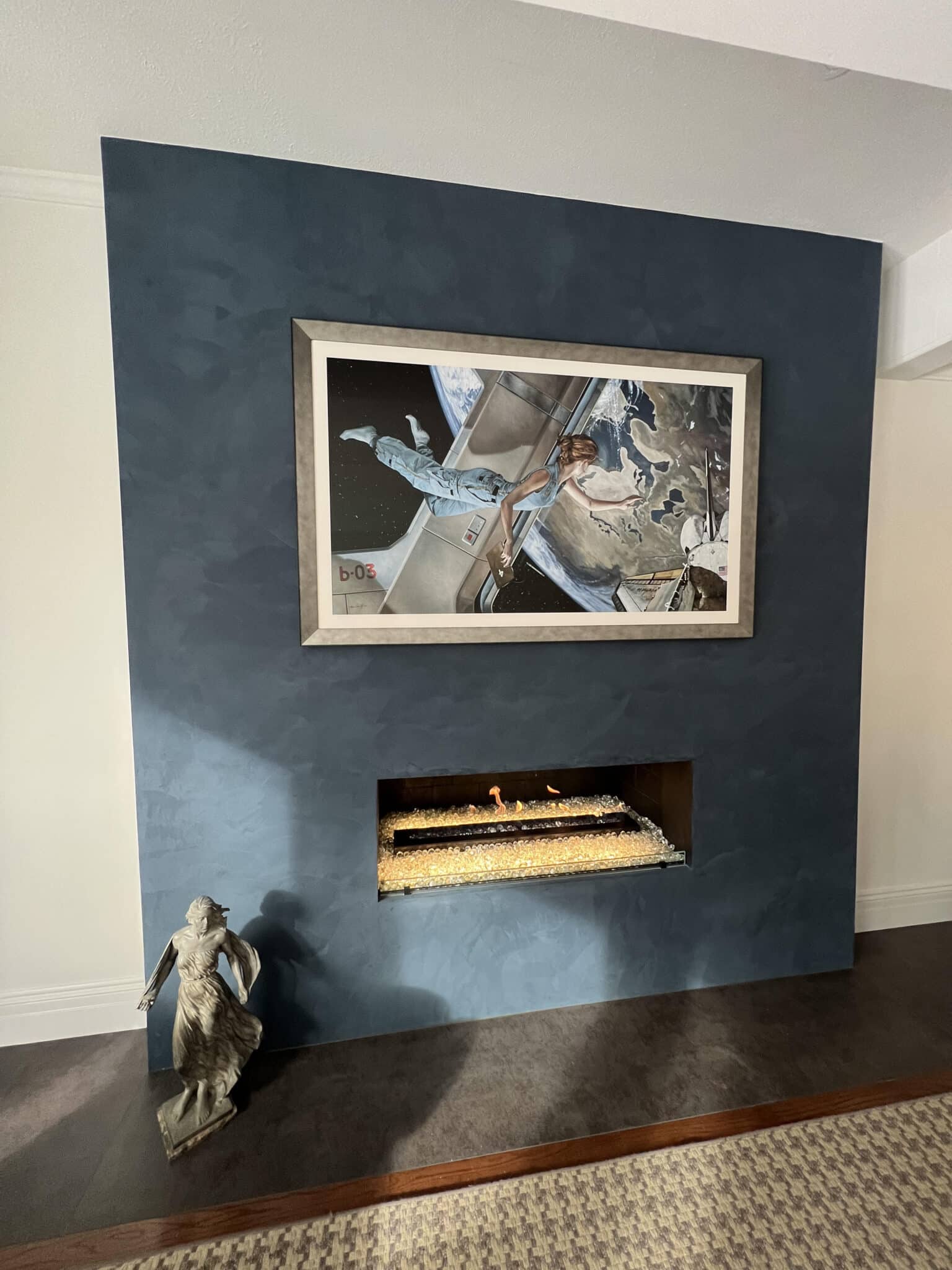
A room can feel inviting before you add a single piece of furniture, and the finish on its walls has a lot to do with that first impression. Homeowners researching Portola paints roman clay Westminster CO are often looking for a way to bring depth and a softer, more natural character to interiors. This decorative finish offers subtle movement and a low-sheen appearance that can make a space feel grounded without overwhelming it.
A natural look with gentle depth
Roman clay is a trowel-applied interior finish with a softly varied surface. Unlike standard paint, which usually creates an even, consistent color, it reflects light across small changes in texture. The result can resemble aged plaster or smooth stone, with tonal variation that feels warm and understated.
That quality suits Colorado homes, where strong sunlight can shift in color and intensity throughout the day. A flat wall may look different in morning light than it does in the afternoon; a textured finish adds dimension to those changes. Warm neutrals, muted earth tones, and soft whites can complement wood, stone, and other natural materials common in contemporary and rustic interiors.
Where it works best
Roman clay can add character to living rooms, bedrooms, entryways, dining spaces, and other areas where a calm, tactile backdrop is welcome. It is especially effective on a feature wall, but using it across an entire room can create a cohesive, enveloping feel.
Because the finish is decorative and generally intended for interior walls, placement matters. Bathrooms, showers, and areas exposed to frequent splashing may require a different surface or a product specifically suited to moisture. Before choosing a location, confirm the finish’s care and application guidance, including whether a protective treatment is appropriate. A qualified installer can help assess the wall and the room’s conditions.
Planning for Colorado homes
Westminster’s dry climate and bright conditions make preparation and sampling important. Walls should be clean, sound, and properly primed so the finish bonds evenly. Repairs and surface imperfections may remain visible through a thin, refined coating, so address uneven areas before application.
Color samples are valuable, but view them on the actual wall whenever possible. Check them in daylight and under the room’s evening lighting, and observe them beside flooring, cabinetry, and furnishings. Since hand application creates variation, ask to review a sample panel that shows the intended texture as well as the color. This helps set realistic expectations for the finished surface.
Care and long-term appeal
The softly matte surface is part of Roman clay’s appeal, but it may be more delicate than a conventional scrubbable paint. Use a soft cloth for routine dusting, and avoid abrasive cleaners or vigorous scrubbing. Ask the installer how to handle marks and whether touch-ups are practical; the texture and hand-applied variation can make repairs more noticeable.
With thoughtful placement, careful preparation, and a well-chosen color, Roman clay brings warmth through texture rather than bold pattern. It can soften a room, complement natural materials, and add quiet dimension as Colorado light changes throughout the day.