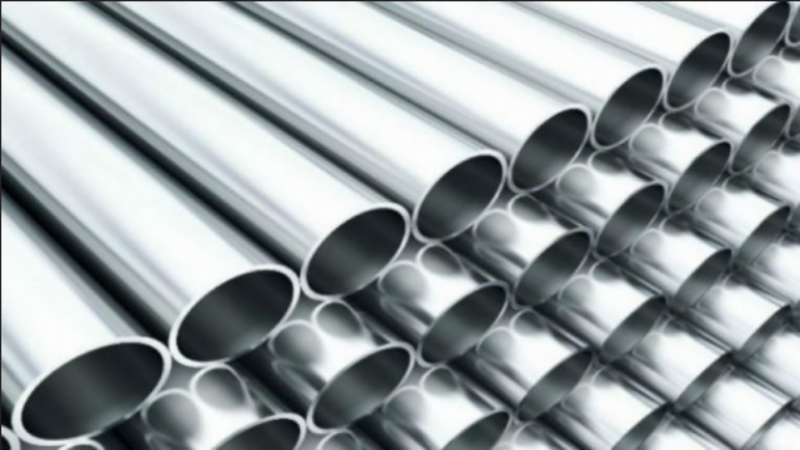
In today’s fast-paced manufacturing environment, the demand for materials that deliver both strength and adaptability has never been higher. Industries across the United States, from automotive to aerospace and construction, are constantly seeking innovative solutions to improve product performance while maintaining efficiency and cost-effectiveness. Among the many materials being utilized, one stands out for its unique combination of properties and versatility: Extruded aluminum shapes. As manufacturing needs evolve, these specialized forms of aluminum are playing a critical role in enabling American companies to meet rigorous standards and stay competitive in a global market.
The Science Behind Extruded Aluminum
Aluminum extrusion is a process that transforms solid aluminum billets into specific cross-sectional profiles by forcing the metal through a shaped die. This technique allows manufacturers to create complex, custom designs that would be difficult or impossible to achieve with traditional fabrication methods. The resulting extruded shapes can be tailored to precise dimensions, thicknesses, and configurations, making them ideal for applications requiring both structural integrity and design flexibility.
One of the key advantages of this process is the ability to manipulate the internal grain structure of the aluminum. By controlling the direction of the grain flow during extrusion, manufacturers can significantly enhance the mechanical properties of the final product. This results in components that are not only strong and lightweight but also resistant to corrosion and fatigue, which is essential for demanding industrial applications.
Enhancing Strength Through Design
Strength is a paramount concern in manufacturing, particularly in sectors where safety and durability are non-negotiable. Extruded aluminum shapes provide several advantages in this regard:
• Optimized Cross-Sections: By designing profiles with strategically placed ribs, flanges, or hollow spaces, engineers can maximize strength-to-weight ratios. This allows for the creation of lightweight components that do not compromise on load-bearing capacity.
• Consistent Quality: The extrusion process ensures uniformity in material distribution and surface finish, reducing the likelihood of weak points or defects.
• Custom Alloy Selection: Manufacturers can select specific aluminum alloys tailored to the intended application, further enhancing properties such as tensile strength, hardness, and resistance to wear.
These features make extruded aluminum an excellent choice for structural frames, support beams, and other high-stress components in industries like transportation, construction, and electronics.
Flexibility for Innovative Applications
While strength is crucial, flexibility—in both design and function—is equally important in modern manufacturing. Extruded aluminum shapes offer a level of adaptability that few materials can match:
• Design Versatility: The extrusion process can produce an almost limitless variety of shapes, from simple angles and channels to intricate, multi-void profiles. This allows manufacturers to innovate freely, developing components that precisely fit their application requirements.
• Ease of Fabrication: Extruded profiles can be easily cut, machined, drilled, or joined using various techniques. This simplifies assembly processes and reduces production time.
• Lightweight Solutions: Aluminum’s low density means that even large, complex shapes remain lightweight, which is especially valuable in industries where reducing overall weight can lead to improved efficiency and lower operating costs.
The adaptability of extruded aluminum has led to its widespread use in modular systems, such as adjustable shelving, framing for automation equipment, and even architectural features that require both form and function.
Sustainability and Efficiency in Manufacturing
Sustainability is increasingly at the forefront of manufacturing decisions. Aluminum is not only abundant but also highly recyclable, retaining its properties through countless cycles of reuse. The extrusion process itself is energy-efficient, and the ability to create near-net-shape components minimizes material waste. For American manufacturers committed to reducing their environmental footprint, these benefits are significant.
Additionally, the durability and corrosion resistance of extruded aluminum components mean longer service life and less frequent replacement, further contributing to resource conservation and cost savings over time.
Meeting the Demands of Modern Manufacturing
The evolving needs of US manufacturing industries demand materials that can keep pace with technological advancements and changing market expectations. Extruded aluminum shapes, with their unique blend of strength, flexibility, and sustainability, are proving indispensable across a wide range of applications. Whether it’s improving fuel efficiency in vehicles, enabling lighter and more durable consumer electronics, or supporting innovative building designs, these shapes are at the heart of many modern engineering achievements.
As manufacturers continue to push the boundaries of what’s possible, the role of extruded aluminum will only become more prominent. By leveraging the material’s inherent advantages and the versatility of the extrusion process, American companies are well-positioned to drive progress and maintain a competitive edge in the global marketplace.
In summary, extruded aluminum shapes offer an exceptional combination of enhanced strength, design flexibility, and sustainable manufacturing benefits. Their application across diverse industries underscores their importance in the ongoing evolution of US manufacturing, ensuring that products are not only robust and reliable but also adaptable to future demands.
