Summary first:
- Commercial plumbing covers fixture installation, leak repair, drain cleaning, water heater replacement, and backflow prevention testing for business properties.
- Annual backflow testing and cross-connection control protect public water supplies and are required in most jurisdictions.
- Property owners in Missoula, MT can reduce downtime and compliance risk through scheduled inspections and prompt repairs.
Commercial plumbing refers to the installation, maintenance, and repair of water, drainage, and backflow prevention systems inside offices, retail spaces, restaurants, and other business facilities. These systems differ from residential setups because they serve higher water demand, more fixtures, and stricter code requirements tied to public health and safety.
Business owners searching for Commercial Plumbing services are usually trying to solve a specific operational problem: a leak disrupting hours, a fixture needing replacement, or a compliance deadline tied to backflow testing. Understanding how these systems function day to day helps property managers plan maintenance before small issues become costly shutdowns.
Core Components of a Commercial Plumbing System
Commercial buildings rely on several interconnected systems that must work together without failure.
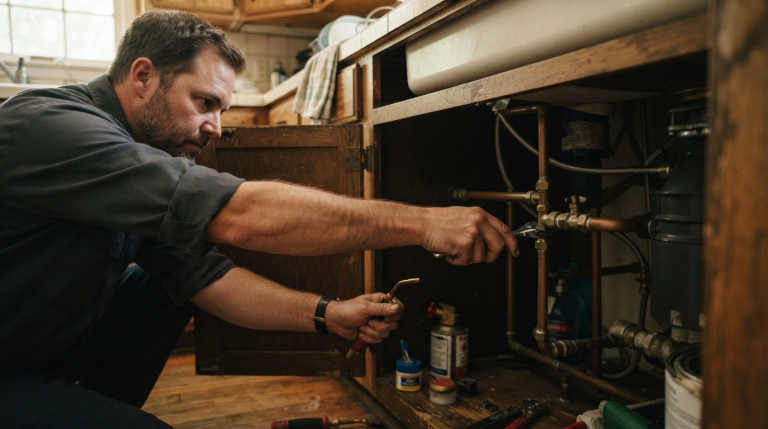
- Fixture and supply lines serving restrooms, kitchens, and utility areas
- Drain and waste lines sized for higher-volume use
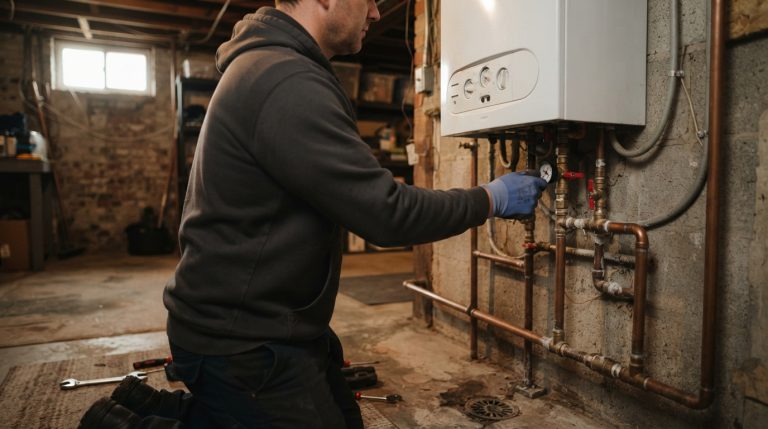
- Water heaters supporting continuous demand across multiple fixtures
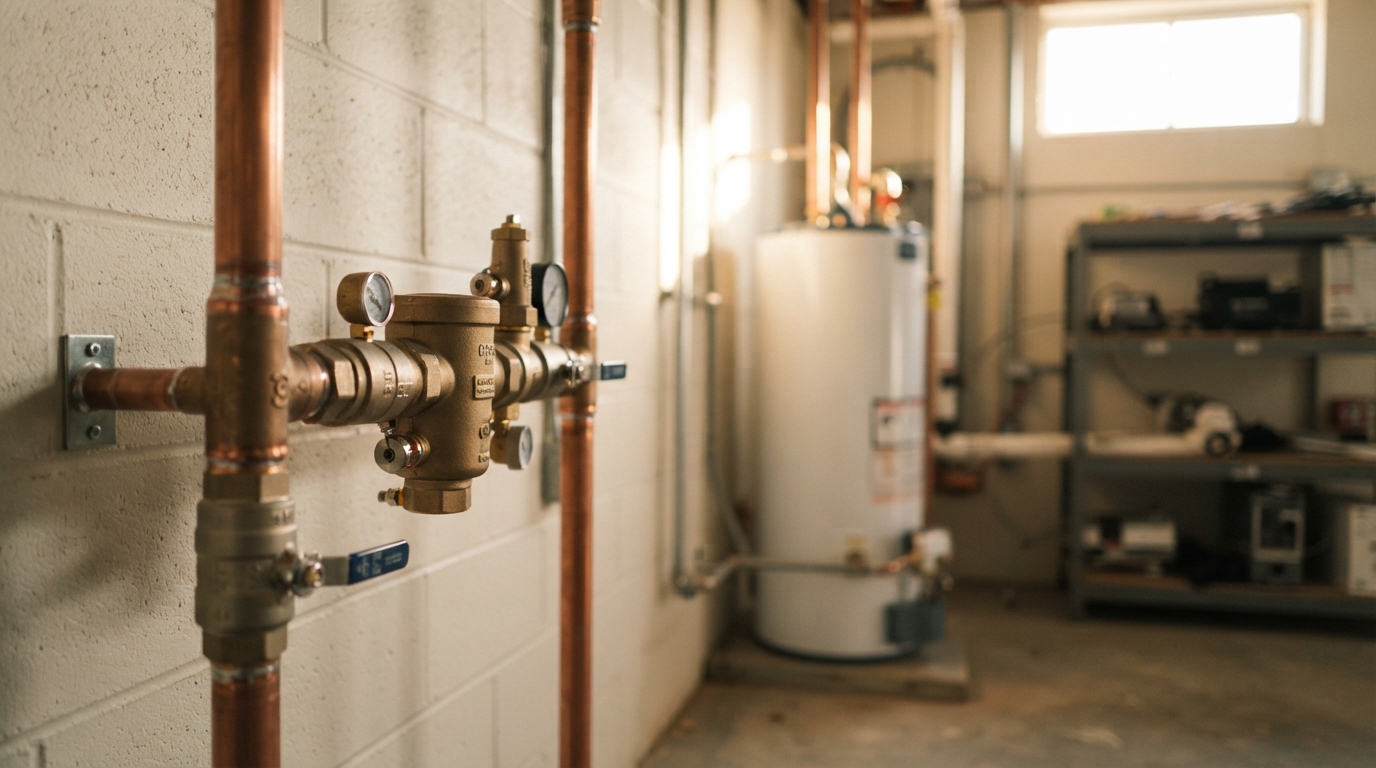
- Backflow prevention assemblies protecting the public water supply from contamination
Each component requires periodic inspection since commercial properties generally see more wear than single-family homes due to higher daily usage.
Backflow Prevention and Cross-Connection Control
Backflow prevention is one of the more regulated aspects of commercial plumbing because it protects drinking water from contamination. The EPA’s Cross-Connection Control Program requires water suppliers to implement programs that include regular testing of backflow prevention assemblies, and most municipalities require that testing be completed annually with records submitted to the local water utility, according to the EPA Cross-Connection Control Manual.
Commercial properties are generally classified by water utilities as moderate-to-high hazard, which triggers mandatory backflow preventer installation and annual testing requirements that residential properties do not always face. Reduced Pressure Zone (RPZ) assemblies are typically required for higher-hazard connections because they include a relief valve that discharges water rather than allowing contaminated water to pass through the system.
Failing to maintain and test these devices can result in:
| Risk | Potential Consequence |
| Expired backflow test | Water utility fines or service notices |
| Undetected device failure | Contamination risk in building water supply |
| Deferred fixture maintenance | Higher repair costs, unplanned downtime |
Routine Maintenance That Reduces Downtime
Scheduled maintenance is generally less disruptive and less costly than emergency repairs. Common preventive steps include:
- Annual backflow assembly testing and documentation filing with the local water authority
- Periodic drain cleaning to prevent slow or blocked lines in high-traffic restrooms and kitchens
- Water heater inspections to confirm consistent hot water supply for staff and customers
- Leak checks around fixtures, supply lines, and water heater connections
Facilities that address these items on a set schedule typically avoid the type of sudden failure that forces a temporary closure.
Commercial Plumbing Considerations in Missoula, MT
Business owners in Missoula, MT operate properties that span older downtown buildings and newer commercial construction, each with different piping materials and fixture ages. Local water utility requirements for annual backflow testing apply to most commercial connections in the area, making documented testing records a practical part of ongoing facility management.
Property managers overseeing multiple tenants or mixed-use buildings in the region often coordinate plumbing inspections with HVAC and water heater checks to limit the number of service visits required each year.
Frequently Asked Questions
How often does a commercial backflow prevention device need testing? Most water utilities require annual testing, with results submitted to the utility within a set window after the test date.
What is the difference between residential and commercial plumbing maintenance? Commercial systems handle higher fixture counts and water demand, and they are subject to additional cross-connection control and backflow testing rules that residential properties typically do not face.
Can a business be fined for an expired backflow test? Local water utilities can issue fines or service notices when required backflow testing is not completed on schedule, since the device protects the shared public water supply.
Who is responsible for scheduling backflow testing in a leased commercial space? Responsibility varies by lease terms, but property owners or managers are typically accountable for confirming testing is completed and documented, regardless of who occupies the building.
Business Info
Plumbing, HVAC, and water heating services for residential and commercial properties in Missoula, MT are listed through Gavlak Plumbing and Heating, including fixture installation, leak repair, drain cleaning, and backflow-related services.
Published details for Gavlak Plumbing & Heating cover service availability across the local area.