Snapshot:
- Residential water damage restoration involves inspection, water extraction, structural drying, sanitizing, and repair to return a home to pre-loss condition.
- Standard industry protocol follows a sequence of assessment, extraction, drying, cleaning, and reconstruction phases.
- Vero Beach, FL homeowners face added risk from storm flooding, humidity, and plumbing failures that can accelerate mold growth within 24 to 48 hours.
Water intrusion from a burst pipe, roof leak, or storm surge requires a structured response that limits moisture spread, removes contaminated materials, and restores affected areas to a safe, dry condition. Homeowners searching for Residential Water Damage Restoration Services in Vero Beach FL are typically trying to understand what the process involves, how long it takes, and what separates a thorough job from a rushed one. This guide breaks down the standard restoration sequence and what to expect at each stage.
What Happens During the Restoration Process
Professional water damage restoration follows a recognized sequence rather than an improvised cleanup. According to the IICRC S500 standard, the process is built around documented phases that guide every decision from initial inspection to final clearance.
- Inspection and assessment – technicians identify the water source, classify contamination level, and measure the extent of saturation in floors, walls, and insulation.
- Water extraction – standing water is removed using pumps and extraction equipment before it spreads further into structural materials.
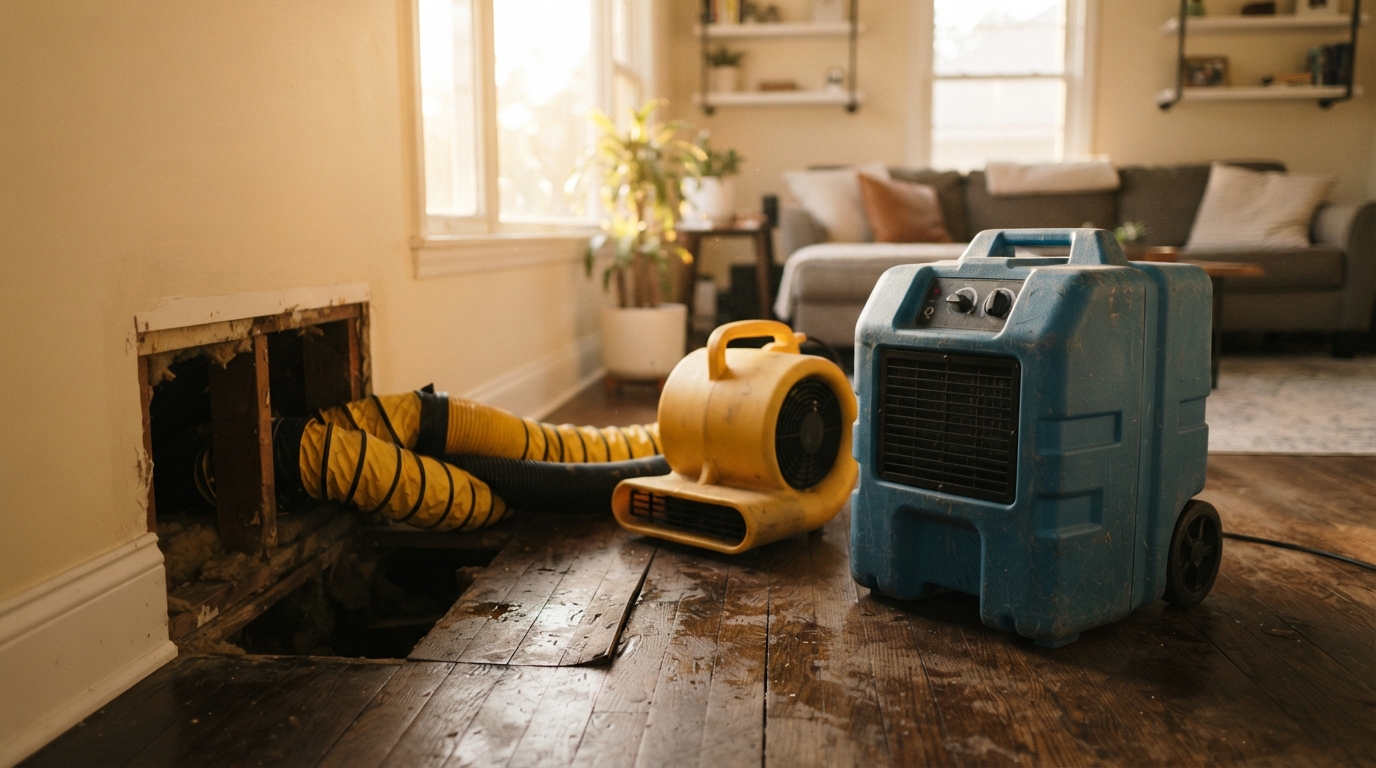
- Drying and dehumidification – air movers and dehumidifiers pull moisture from wood, drywall, and flooring to prevent warping and mold growth.
- Cleaning and sanitizing – affected surfaces are disinfected, particularly when contaminated water was involved.
- Repair and reconstruction – drywall, flooring, and other materials are replaced or restored to pre-loss condition.
Each phase depends on accurate moisture readings rather than visual inspection alone, since trapped water behind walls or under flooring is often not visible until damage has already progressed.
Why Timing Matters for Homes in Vero Beach, FL
Humidity, seasonal storms, and aging plumbing infrastructure make water intrusion a recurring concern for homes in Vero Beach, FL. Once water enters a structure, the window for preventing secondary damage is narrow.
- Within hours, flooring and wood structures can begin swelling and warping.
- Drywall and insulation absorb moisture quickly, weakening structural integrity.
- Mold growth can begin within 24 to 48 hours if materials remain wet, alongside increased odor development and structural weakening.
Addressing water damage quickly reduces the likelihood that a homeowner will need separate mold remediation services later, since delayed drying is the most common trigger for fungal growth in affected structures.
Comparing DIY Cleanup to Professional Restoration
Homeowners sometimes attempt to manage minor leaks or small spills without outside help. The table below outlines where that approach holds up and where it tends to fall short.
| Factor | DIY Cleanup | Professional Restoration |
| Moisture detection | Visual inspection only | Moisture meters and thermal imaging |
| Drying equipment | Household fans | Commercial-grade air movers and dehumidifiers |
| Hidden water risk | Often missed behind walls/flooring | Identified through structural assessment |
| Documentation for insurance | Typically absent | Recorded moisture readings and progress notes |
For small, contained spills on hard surfaces, basic cleanup may suffice. For incidents involving standing water, hidden saturation, or contaminated water sources, equipment-based extraction and drying become necessary to prevent long-term structural issues.
Business Info
Hazard Clean Restoration operates in Vero Beach, FL, providing water damage restoration services for residential properties, including damage assessment, water extraction, drying, sanitizing, and repair work for homes affected by leaks, burst pipes, or storm-related flooding.
Frequently Asked Questions
How long does residential water damage restoration take? Drying times depend on the extent of saturation and the materials involved, though many residential jobs are completed within several days once extraction and drying equipment are in place.
Is water damage restoration covered by homeowners insurance? Coverage varies by policy and the cause of the water intrusion, so homeowners should review their specific policy terms and document the damage promptly.
What is the difference between water damage restoration and mold remediation? Water damage restoration focuses on extracting water and drying structural materials, while mold remediation addresses fungal growth that can develop if moisture is not removed quickly enough.
Can homeowners stay in the house during restoration? This depends on the severity of the damage and whether contaminated water or structural hazards are present, which a technician can assess during the initial inspection.
A Final Note on Timing and Preparedness
Responding quickly to a water intrusion event, and understanding the standard restoration sequence in advance, helps homeowners make informed decisions when an emergency occurs. Published details for Hazard Clean Restoration outline the local service area for residential water damage response.


