Braces work by applying steady, controlled pressure through brackets and wires that gradually shift teeth into better positions, and most orthodontic associations recommend children have their first evaluation by age 7. Parents searching for Braces For Kids are usually trying to figure out two things: how the devices actually function, and whether their child’s age and tooth development call for a professional opinion now or later. Both questions have research-backed answers that can help families avoid unnecessary worry or delayed care.
How Braces Move Teeth Into Position
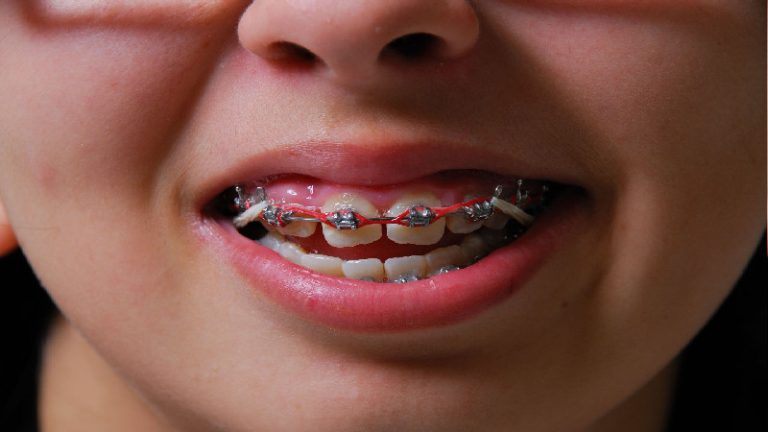
Traditional braces rely on a simple mechanical principle: brackets bonded to each tooth connect to an archwire that an orthodontist tightens and adjusts over time. This sustained pressure encourages bone remodeling around the tooth root, allowing the tooth to shift gradually without causing permanent damage. Common components include:
• Brackets, bonded directly to the tooth surface
• An archwire, which guides the direction of movement
• Elastic bands or ligatures, which hold the wire in place
• Spacers or expanders, used in some cases to create room before full bracket placement
Adjustments typically happen every four to eight weeks, with total treatment length depending on the complexity of the misalignment.
Why Age 7 Matters for a First Evaluation
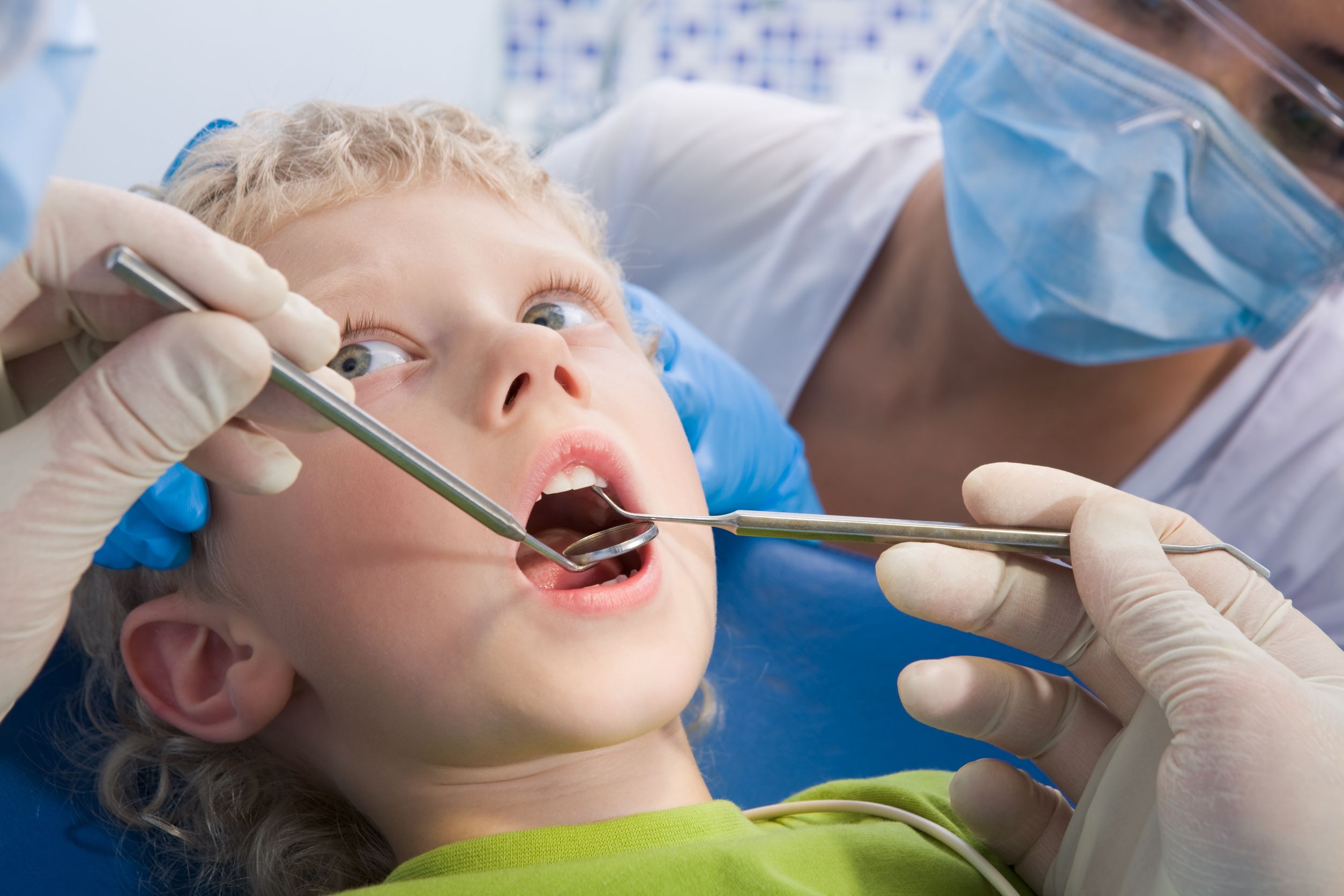
According to the American Association of Orthodontists, children should complete their first check-up with an orthodontist by age 7. This timing is intentional rather than arbitrary. Around this age, children have a mix of baby and permanent teeth, and examining them gives an orthodontist a wealth of information.
An early visit is a screening, not a treatment commitment. Phase 1, also called interceptive treatment, is limited treatment done while a child still has baby teeth, typically between ages 7 and 10. Many children and teens begin full orthodontic treatment between ages 10 and 14, when most permanent teeth are in and jaw development is still underway. Parents should not assume an early appointment means immediate brackets and wires; most children are simply monitored at that stage.
Signs a Child May Need an Earlier Look
Some situations warrant an evaluation before age 7. If a child is younger than 7 and something appears off, there is no need to wait until age 7 to see an orthodontist, and any age is appropriate once an issue is noticed. Watch for:
• Difficulty chewing or biting
• Teeth that meet abnormally or not at all
• Thumb-sucking persisting past early childhood
• Crowded, misplaced, or blocked-out teeth
• Jaws that shift or make sounds
In Parma, OH, parents often raise these concerns during routine pediatric dental visits, which can prompt an earlier referral for a specialist opinion.
Comparing Early Screening and Later Treatment
Factor |
Early Evaluation (Age 7) |
Full Treatment (Ages 10-14) |
|
Purpose |
Monitor jaw and tooth development |
Correct bite, spacing, or alignment |
|
Typical outcome |
Often “wait and monitor” |
Braces or aligners placed |
|
Teeth present |
Mix of baby and permanent |
Mostly permanent teeth |
|
Urgency |
Screening only, low cost of waiting |
Timed to growth windows |
Based in USA, Papandreas Orthodontics serves families across Parma, OH, offering evaluations and treatment planning for children whose teeth and jaws are still developing. The practice’s profile describes Papandreas Orthodontics as providing orthodontic care for multiple age groups, including early interceptive options for younger patients.
Frequently Asked Questions
Does an age-7 checkup always lead to braces? No. Most children evaluated around age 7 need no immediate treatment; the orthodontist simply documents how teeth and jaws are developing and schedules periodic rechecks.
What if my child is already older than 7 and hasn’t been evaluated? An evaluation is still useful at any age. Orthodontists assess current tooth position and bite function regardless of when the first visit happens.
How long does a child typically wear braces? Treatment length varies by case complexity, but full braces for children commonly run from one to three years, not counting any earlier interceptive phase.
Are there alternatives to traditional metal braces for children? Some children are candidates for clear aligners or other appliances, depending on the specific alignment or bite issue identified during evaluation.
Scheduling details and current office hours for Papandreas Orthodontics are available for families weighing a first orthodontic evaluation.