
Getting in and out of a car can aggravate lower back pain or sciatica because the movement combines sitting, bending, twisting, and pushing through one leg. Spinal decompression therapy may be considered when symptoms are linked to disc pressure or nerve irritation, but an evaluation is needed first.
Why Can Car Entry and Exit Trigger Lower Back Pain?
Car entry and exit require several movements in a small space. A person bends at the hips, rotates the trunk, lowers onto the seat, and brings the legs inside. Leaving the car reverses that sequence while the body pushes upward from sitting.
These actions can increase stress on the lower back, especially when the seat is low, the doorway is narrow, or hip mobility is limited. Twisting for a bag or stepping onto an uneven surface may add strain.
Pain during this task does not automatically mean a disc is injured. Muscle tension, joint irritation, hip restrictions, and other conditions can create similar symptoms. The location and behavior of the pain provide useful clues.
What Symptoms May Suggest Sciatica or Disc Irritation?
Sciatica describes pain that follows the sciatic nerve, often from the lower back or buttock into one leg. It may feel sharp, burning, electric, or aching. Tingling, numbness, or weakness may also occur.
A disc-related pattern may become more noticeable during prolonged sitting, forward bending, twisting, coughing, or lifting. Getting out of a car can be uncomfortable because the spine moves from sitting into rotation and weight-bearing.
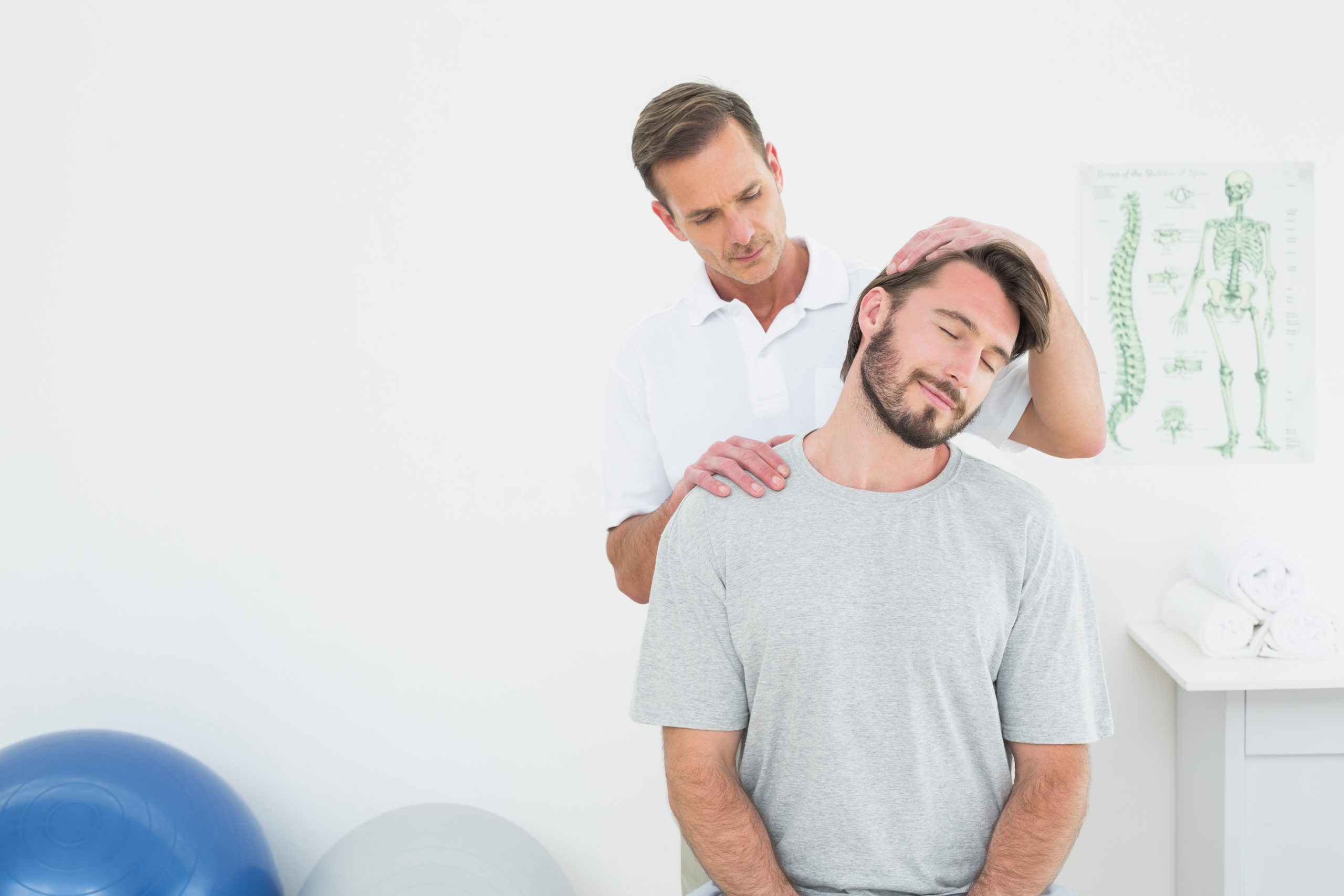
Symptoms should be evaluated when pain travels below the buttock, one leg feels weaker, or normal activities become harder. A chiropractor or another qualified provider can assess whether the symptoms appear mechanical, nerve-related, or connected to another cause.
How Does Spinal Decompression Therapy Work?
Spinal decompression therapy is a nonsurgical form of controlled traction. A specialized table applies and releases a measured pulling force to selected areas of the spine.
The goal is to reduce mechanical pressure affecting spinal discs and nearby nerve structures. Settings are adjusted according to the person’s condition, comfort, and examination findings. It should be part of an individualized care plan.
A Westfield-area provider may discuss sciatica spinal decompression when radiating leg pain appears related to disc pressure or nerve compression. Sciatica alone does not establish that decompression is the correct treatment.
Can Decompression Make Car Movement More Comfortable?
Spinal decompression therapy may help some people whose car-related pain is associated with an appropriate disc or nerve condition. If pressure and irritation decrease, sitting, rotating, and transferring weight may become easier.
Results vary, and improved movement may depend on more than one method. A lower back pain treatment plan may also address posture, hip mobility, trunk control, movement habits, and time spent sitting.
The goal is not only to tolerate one car movement. Care should support more comfortable function during driving, work, household tasks, and other activities.
Who May Not Be a Candidate for Spinal Decompression?
Spinal decompression is not suitable for everyone with lower back pain or sciatica. Health history, imaging when appropriate, symptom behavior, and examination findings all matter.
Certain fractures, severe instability, some advanced bone conditions, pregnancy, tumors, infections, or other medical concerns may affect whether traction-based care is appropriate. A provider should screen for contraindications before treatment.
Urgent medical assessment is needed when lower back or leg pain occurs with new bowel or bladder changes, numbness around the groin, rapidly worsening weakness, fever, or significant trauma.
How Can Someone Enter and Exit a Car With Less Strain?
When entering, turn so the back of the legs faces the seat, sit first, and bring both legs into the car together. When exiting, move both legs outside before standing.
Keeping the knees and shoulders facing the same direction can limit twisting. Using a stable seat or door frame for balance may help. Moving the seat backward before exiting can also create more space.
These adjustments may reduce strain, but they do not replace an evaluation when symptoms persist, radiate, or worsen.
When Should Someone Look for a Chiropractor Near Westfield for Sciatica?
Searching for a chiropractor near Westfield for sciatica may be appropriate when leg pain, numbness, or repeated back discomfort makes driving or car transfers difficult. A chiropractic clinic should evaluate the full pattern rather than recommending decompression from one complaint alone.
The assessment may include posture, spinal and hip movement, strength, sensation, reflexes, and activities that reproduce symptoms. The findings can help determine whether chiropractic care, decompression, another conservative approach, or a medical referral is appropriate.
What Is the Main Takeaway?
Pain while getting in and out of a car may result from sitting, bending, rotation, and weight transfer. When sciatica or disc-related pressure is involved, spinal decompression therapy may be one possible part of care.
Schedule an evaluation with a qualified local provider if car entry, driving, or standing from the seat repeatedly triggers lower back or leg symptoms. A proper assessment can identify contributing factors and guide the next step.