Takeaway:
- Patio pavers come in concrete, brick, and natural stone, each with different cost, durability, and maintenance profiles.
- Proper base preparation and drainage planning matter more to long-term performance than the paver material itself.
- Florida’s sandy soils and heavy rainfall in Wesley Chapel, FL make compaction and permeability especially relevant during installation.
Patio pavers are interlocking units made from concrete, clay brick, or natural stone, installed over a compacted base to create a durable, permeable outdoor surface. The right choice depends on budget, the look a homeowner wants, and how the space will be used.
Selecting among the available Patio Pavers options starts with understanding what each material offers in terms of cost, texture, and long-term upkeep. A paver patio installed correctly can outlast poured concrete because individual units can be replaced without re-pouring an entire slab.
Common Patio Paver Materials Compared
Each paver material brings a different balance of cost, appearance, and maintenance demand. Homeowners typically weigh these factors against how long they plan to stay in a home and how much upkeep they want to commit to.
| Material | Typical Cost Range | Durability | Maintenance Needs |
|---|---|---|---|
| Concrete pavers | Moderate | High, resists cracking | Periodic sealing and joint sand refresh |
| Clay brick pavers | Moderate to high | Very high, color does not fade | Occasional cleaning, minimal sealing |
| Natural stone pavers | High | High, unique veining per piece | Sealing recommended, higher upkeep |
| Permeable interlocking pavers | Moderate to high | High when properly maintained | Periodic vacuuming to prevent clogging |
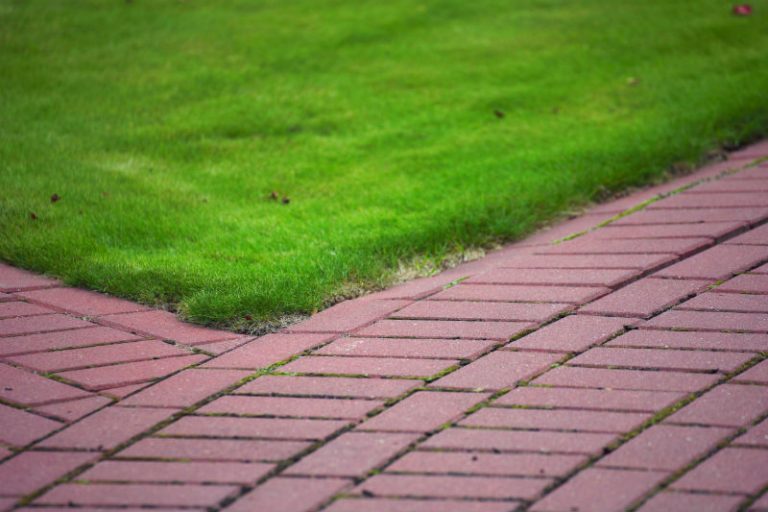
Concrete pavers remain the most common choice for patios because manufacturers produce them in a wide range of colors, textures, and shapes. Brick pavers offer a classic, uniform look that holds up well in sun exposure, while natural stone provides a more irregular, high-end appearance at a higher price point.
Design Patterns and Layout Options
The pattern a paver is laid in affects both appearance and structural performance. Herringbone patterns, for example, interlock more tightly and resist shifting under vehicle or foot traffic better than simple running bond layouts.
Common layout choices include:
- Running bond, a straightforward brick-like pattern suited to most patios
- Herringbone, offering higher interlock strength for high-traffic areas
- Basketweave, a classic look often paired with square pavers
- Circular or fan patterns, typically used as accent borders or focal points
Mixing paver sizes and colors within a single pattern has become more common for homeowners who want a custom look rather than a uniform grid.
Installation Process and Site Considerations
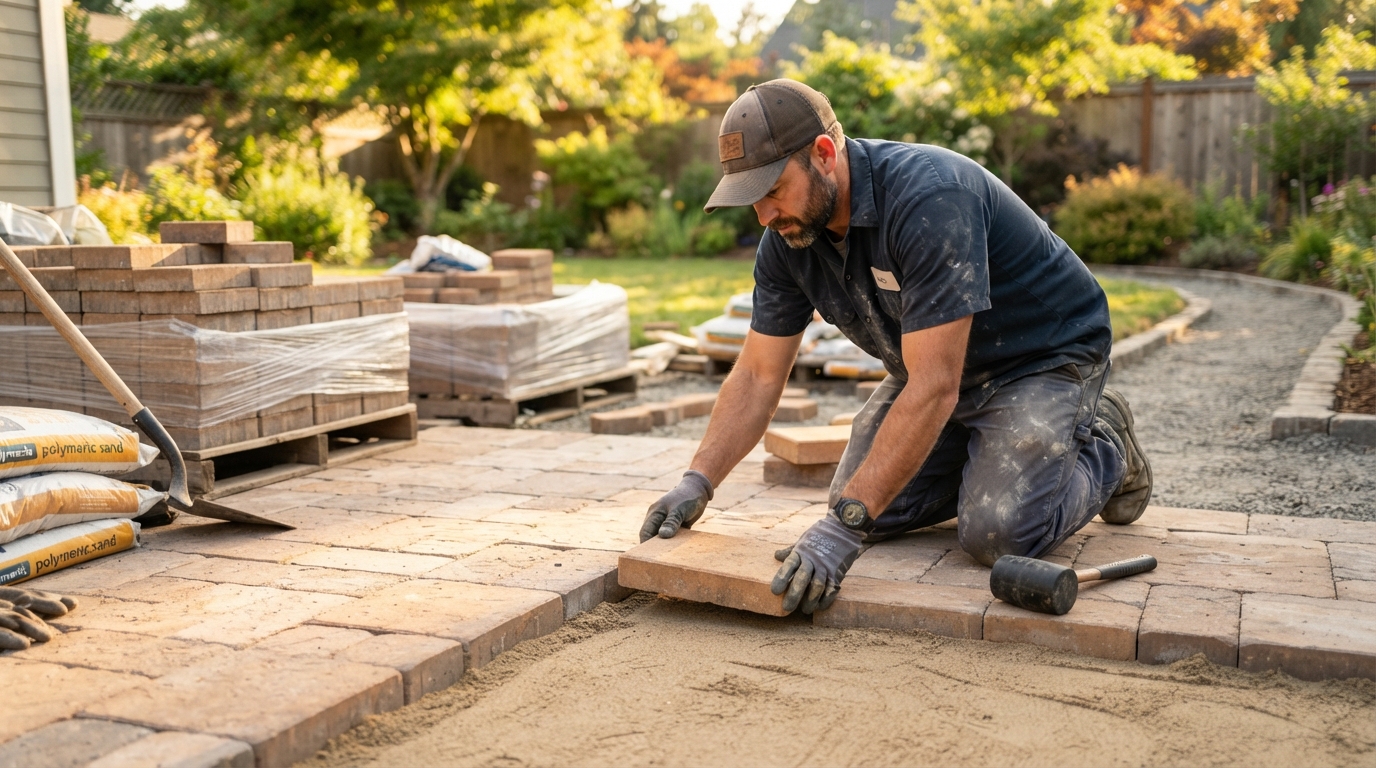
A patio paver installation generally follows a sequence: excavation, base compaction, sand leveling, paver placement, joint filling, and edge restraint installation. Skipping or shortcutting the base compaction step is the most common cause of future settling or uneven surfaces.
Site conditions in Wesley Chapel, FL add specific considerations to this process:
- Sandy soil common to the region requires thorough compaction to prevent shifting after heavy rain.
- Florida’s wet season makes drainage slope planning important to avoid standing water on the patio surface.
- Permeable paver systems can help manage stormwater on-site rather than directing it toward storm drains, consistent with guidance from the EPA’s permeable pavement program.
- Local permitting requirements may apply depending on patio size and proximity to property lines.
Based in Chapel, FL, Lira Outdoor Living works with homeowners across Wesley Chapel, FL on paver patio projects suited to these regional soil and drainage conditions.
Maintenance Expectations After Installation
Paver patios require less maintenance than poured concrete but are not maintenance-free. Joint sand can wash out over time, especially in areas with heavy rainfall, and will need periodic replenishment to keep pavers locked in place.
- Sweep and rinse the surface regularly to prevent organic buildup
- Reapply joint sand as needed, typically every one to three years
- Seal concrete or natural stone pavers on a schedule recommended by the manufacturer
- Inspect for minor settling annually and level individual pavers as needed
Frequently Asked Questions
How long does a patio paver installation typically take? Installation timelines depend on patio size and site conditions, with most residential projects completed within a few days once excavation begins.
Are permeable pavers worth the extra cost in Florida? Permeable systems cost more upfront but can reduce surface water pooling during Florida’s rainy season, since they allow water to infiltrate rather than pool or run off.
Do patio pavers need sealing? Sealing is optional for most concrete and brick pavers but helps resist staining and fading, and it is generally recommended for natural stone.
Can cracked or stained pavers be replaced individually? Yes, one of the practical advantages of modular paver systems is that single units can be lifted and replaced without disturbing the surrounding patio.
Patio paver materials, patterns, and site prep each affect how a patio performs over time, and homeowners comparing options often start by reviewing examples relevant to their own property conditions. Current service area details for Lira Outdoor Living are published for the local region.