Carrying a child on one side repeatedly can shift the pelvis, change spinal alignment, and place uneven demand on the hips and lower back. Over time, this repeated posture may contribute to muscle fatigue, restricted movement, and discomfort during standing, walking, lifting, or household activities.
Parents and caregivers often carry a child on the same side because it feels natural, keeps the dominant hand available, or helps the child settle more easily. Although occasional one-sided carrying is unlikely to cause a lasting problem by itself, frequent repetition may affect how the body distributes weight and controls movement.
Why Does One-Sided Carrying Change Body Position?
When a child is placed on one hip, the caregiver usually shifts the pelvis sideways to create a stable platform. The upper body may lean in the opposite direction to prevent losing balance.
This creates an asymmetrical posture. One hip moves outward, one side of the waist shortens, and the spine may curve or rotate slightly to keep the head and chest upright. The muscles on each side of the body then perform different jobs.
The side holding the child may experience compression through the hip and lower back. The opposite side may become lengthened or work harder to control the trunk. Repeating the same pattern several times a day can make one side feel tighter, weaker, or more fatigued than the other.
How Can Carrying a Child Affect the Pelvis?
The pelvis connects the spine to the legs and helps transfer body weight during standing and walking. When weight is repeatedly shifted onto one hip, the pelvis may remain tilted or rotated for extended periods.
This does not necessarily mean the pelvis is permanently “out of place.” However, muscles around the hips, abdomen, and lower back may adapt to the repeated position.
One side may become more dominant during standing, while the other side contributes less. Parents may begin to notice that they regularly rest on the same leg, cross the same leg while sitting, or feel more comfortable turning in one direction.
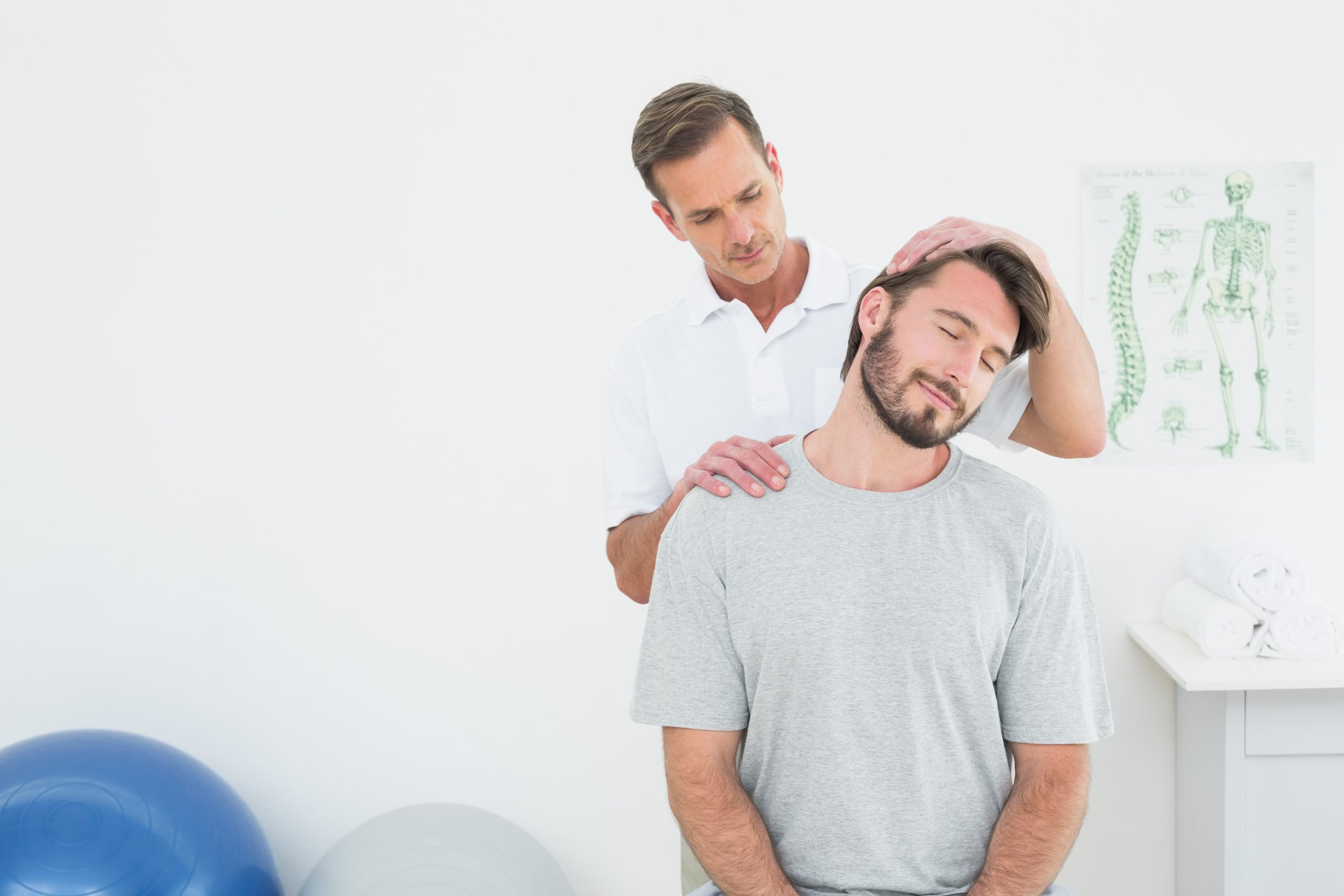
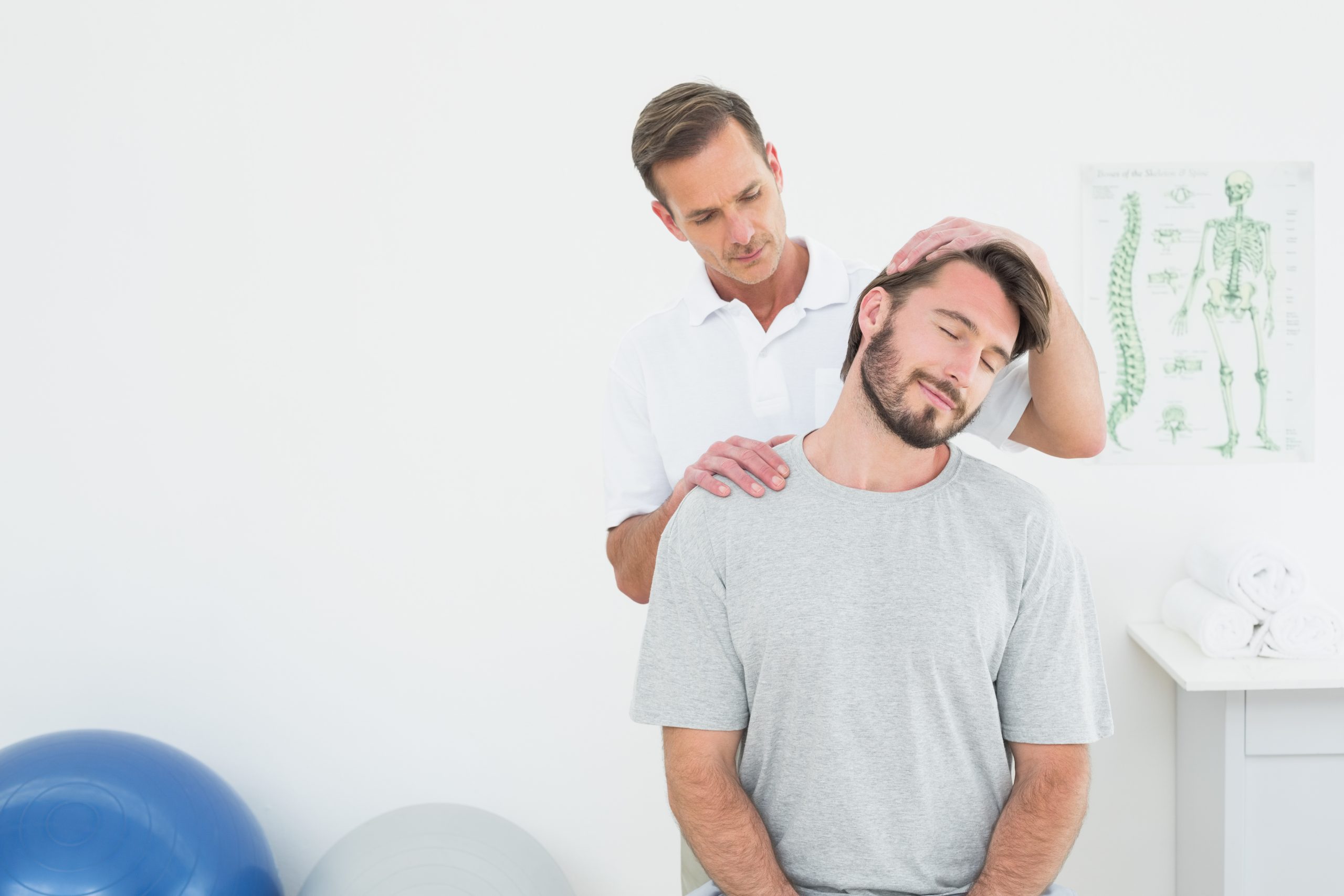
A family chiropractor may evaluate whether these habits are contributing to reduced mobility or uneven muscle tension.
Why Can the Lower Back Become Sore?
The lower back helps stabilize the trunk while the body manages the additional weight of a child. If that weight is held away from the center of the body, the muscles must work harder to keep the caregiver upright.
The lower back may also arch, bend sideways, or rotate during carrying. These positions can increase demand on spinal joints, muscles, and connective tissues, especially when the child is carried for long periods.
Discomfort may feel like:
-
A dull ache near the beltline
-
Tightness on one side of the lower back
-
Soreness around the top of the hip
-
Pain when transitioning from sitting to standing
-
Stiffness after carrying the child during errands
-
Discomfort while bending to place the child down
A lower back pain chiropractor may assess whether the symptoms are linked to joint restriction, muscle fatigue, lifting habits, or another underlying condition.
Can Carrying Habits Affect Walking?
Walking while holding a child changes the body’s center of mass. The caregiver may shorten the stride, lean away from the child, or reduce normal arm movement to maintain balance.
If the child is always carried on the same side, these changes may become more noticeable. The hip under the child’s weight may move differently, and the opposite leg may work harder to support forward movement.
Walking on uneven sidewalks, climbing stairs, or moving through busy public spaces can increase the demand. Families in Mira Mesa may notice symptoms during trips to parks, stores, schools, or community activities where children are carried for longer than expected.
Does the Child’s Weight Matter?
As a child grows, the physical demand of carrying increases. A posture that felt manageable with an infant may become more stressful with a toddler.
Duration also matters. Holding a child for a few minutes is different from carrying them through a grocery store, during a long walk, or while completing several household tasks.
Other factors may influence how the body responds, including:
-
Previous lower back injuries
-
Pregnancy-related changes
-
Reduced core strength
-
Limited hip mobility
-
Fatigue or interrupted sleep
-
Repetitive lifting from the floor
-
Carrying bags at the same time
These factors can combine, making one-sided carrying more difficult even when it was previously comfortable.
How Can Parents Reduce Uneven Strain?
Changing sides regularly can help distribute the workload. Some caregivers may initially feel awkward carrying on the less familiar side, so switching for shorter periods may be easier.
Holding the child closer to the center of the body may also reduce leverage on the lower back. A supportive carrier that distributes weight across both shoulders and the hips may be useful when appropriate for the child’s age and size.
Parents can also pay attention to how they lift. Bending through the hips and knees, keeping the child close, and avoiding twisting while lifting may reduce unnecessary strain.
It may also help to avoid standing with the hip pushed sharply to one side. Using both legs for support can reduce prolonged pressure through one hip.
Can Chiropractic Care Help with Carrying-Related Discomfort?
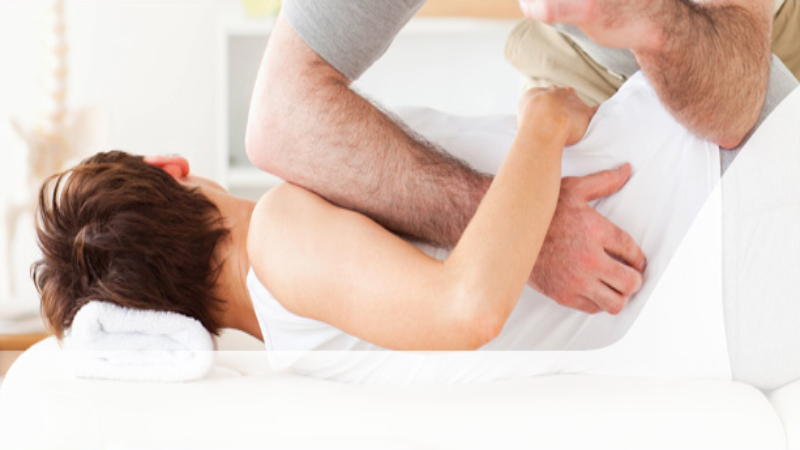
Chiropractic care may be considered when repeated carrying contributes to stiffness, reduced movement, or mechanical lower back discomfort. An evaluation may include posture, spinal movement, hip mobility, balance, and the way the caregiver lifts and carries the child.
Treatment recommendations should depend on the findings rather than assuming every parent needs the same approach. Family care chiropractic may include adjustments, movement guidance, and practical recommendations for reducing repeated strain.
Best Life Chiropractic provides information about their evaluation-based approach as a Family Chiropractor serving Mira Mesa and nearby San Diego communities. They focus on identifying how daily movement patterns may be contributing to symptoms before recommending care.
When Should Back Pain Receive Further Evaluation?
An evaluation may be appropriate when discomfort lasts for several weeks, repeatedly returns, limits walking or lifting, or begins traveling into the hip or leg.
Prompt medical attention is important when lower back pain occurs with severe weakness, loss of bladder or bowel control, numbness around the groin, fever, major trauma, or unexplained weight loss.
These symptoms require timely assessment and should not be treated as ordinary muscle soreness.
How Can Families Protect Their Backs During Daily Caregiving?
Carrying a child is only one part of caregiving. Lifting from cribs, fastening car seats, pushing strollers, picking up toys, and sitting on the floor can all place repeated demand on the hips and lower back.
Alternating carrying sides, keeping the child close, improving lifting habits, and changing positions throughout the day may help reduce cumulative strain. When discomfort persists, family chiropractic evaluation can help identify movement restrictions and determine whether chiropractic care may be appropriate.
Recognizing one-sided habits early may help parents and caregivers protect their mobility while continuing to meet the physical demands of family life.