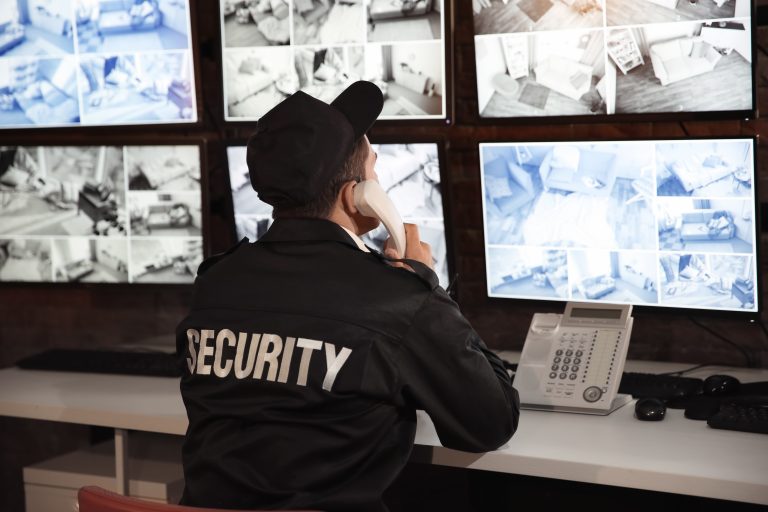
• Modern security setups combine video surveillance, access control, and monitored alarms to cover entry points, interior spaces, and emergency detection.
• Carbon monoxide and fire detection are now commonly integrated alongside burglar alarms for broader protection.
• Properties in Buffalo, NY can access monitored systems with mobile app controls for remote viewing and alerts.
Security Systems Buffalo NY typically combine video surveillance, access control, and monitored alarms into one coordinated setup rather than relying on a single device. A residential or commercial property benefits most when these components work together instead of standing alone.
Security Systems in Buffalo NY solutions generally cover four core functions: deterring intrusion, recording activity, controlling who enters a space, and alerting occupants to hazards like fire or carbon monoxide. Each function serves a distinct purpose, and the right combination depends on the size and layout of the property.
Core Components of a Modern Security Setup
A complete system is built from several interdependent parts rather than one standalone gadget. Understanding each component helps property owners decide what their space actually needs.
• Video surveillance (CCTV) cameras that can be viewed remotely from a computer or mobile device
• Burglar alarm systems that detect forced entry at doors and windows
• Access control systems that restrict who can enter specific areas of a business
• Carbon monoxide detectors that flag a hazard human senses cannot pick up on their own
Each of these pieces addresses a different risk. Cameras document activity after the fact, while alarms and access control work to prevent unauthorized entry in real time.
Why Carbon Monoxide Detection Belongs in a Security Plan
Carbon monoxide is colorless and odorless, which is why detection hardware matters as much as burglar alarms in a layered security plan. The U.S. Consumer Product Safety Commission notes that CO alarms should be installed on every level of a home and outside separate sleeping areas, with batteries checked regularly.
Older housing stock common in parts of Buffalo, NY often includes aging furnaces, water heaters, and fireplaces, all of which are potential carbon monoxide sources. Pairing CO detection with a monitored alarm system means a hazard can trigger an alert even when no one is present to notice symptoms directly.
Matching System Types to Property Needs
Not every property needs the same configuration. A single-family home has different access and monitoring needs than a multi-location business.
System Type |
Best Suited For |
Core Function |
|
Burglar alarm with monitoring |
Homes and small offices |
Detects forced entry and signals a response |
|
Access control |
Businesses with restricted areas |
Limits entry to authorized personnel only |
|
CCTV with mobile viewing |
Homes and businesses alike |
Provides remote visual verification |
|
Carbon monoxide detection |
All occupied structures |
Flags a hazard invisible to occupants |
Mobile app integration is a common thread across these categories, letting property owners check camera feeds or receive alerts without being physically present.
Installation and Monitoring Considerations
A system is only as reliable as its installation and ongoing monitoring. Several factors affect how well a setup performs over time.
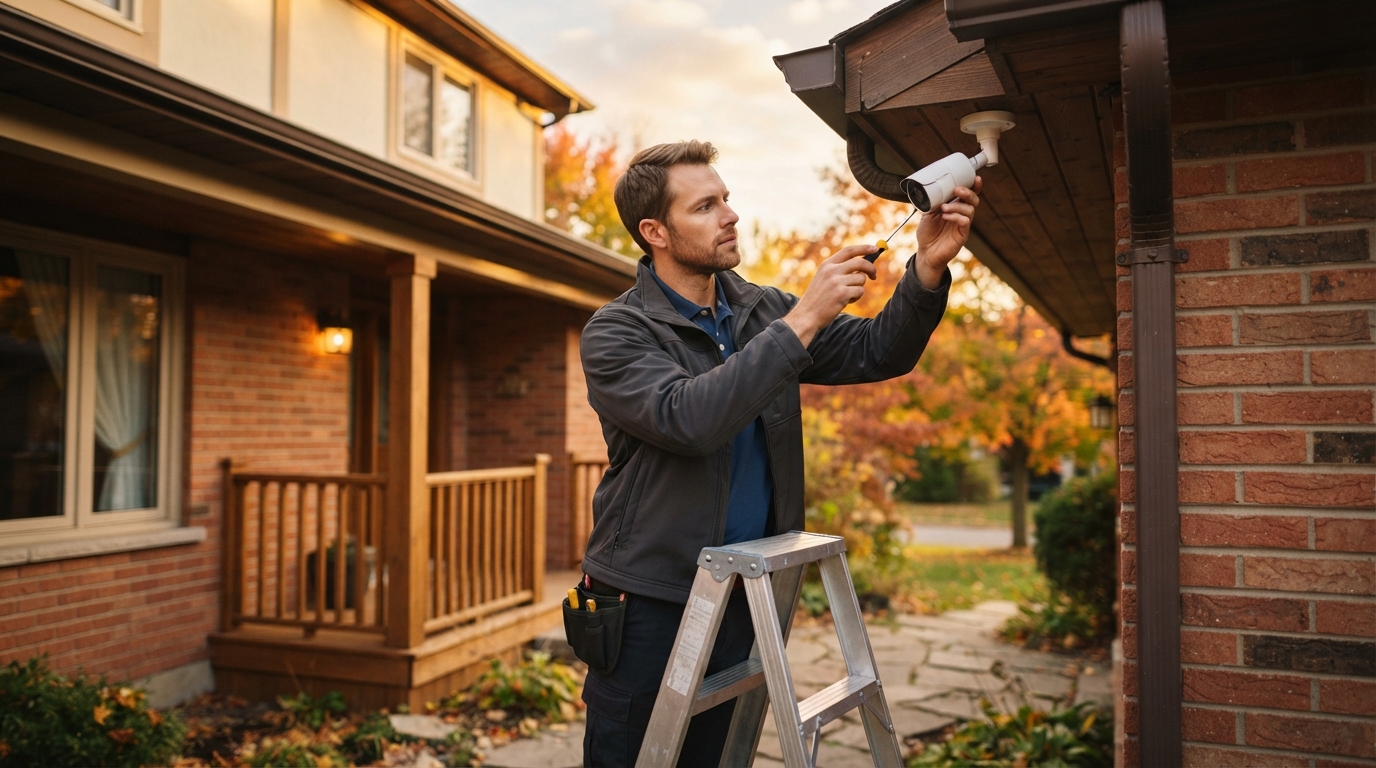
1. Placement of cameras and sensors should account for entry points, blind spots, and lighting conditions.
2. Monitoring can be self-managed through an app or routed to a monitoring center for continuous coverage.
3. Access control credentials need periodic review, especially in businesses with staff turnover.
4. Carbon monoxide detectors require regular testing, separate from the alarm system’s own diagnostics.
Based in Cheektowaga, NY, Armored Alarm a regional provider such as the one referenced below extends monitored security coverage to surrounding communities, including Buffalo, NY, rather than operating a storefront presence in that city.
Frequently Asked Questions
Does a security system require professional monitoring to be effective? Not always. Some systems rely on self-monitoring through a mobile app, while others route alerts to a staffed monitoring center for continuous response coverage.
Can carbon monoxide detection be added to an existing alarm system? In many setups, carbon monoxide sensors integrate with an existing alarm panel rather than requiring a separate standalone unit.
What is the difference between access control and a standard alarm system? An alarm system detects unauthorized entry after it happens, while access control manages who is permitted to enter specific doors or areas in the first place.
How often should carbon monoxide detectors be tested? Regular testing intervals are recommended by safety authorities, with battery checks done on the same schedule as smoke alarm maintenance.