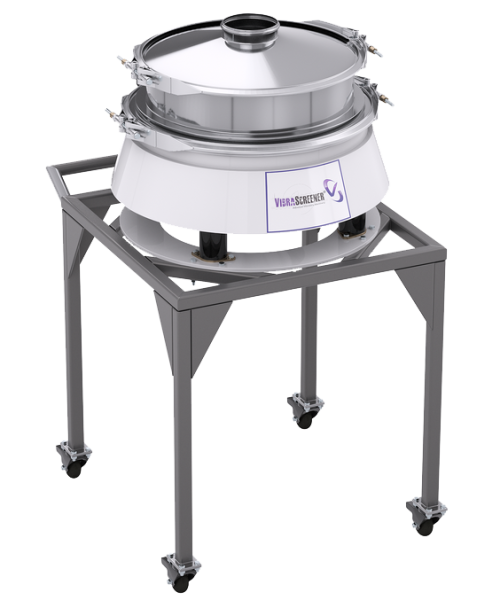
In a busy U.S. production facility, a small variation in particle size can affect everything from product performance to customer satisfaction. That is why teams researching Vibratory screening equipment often want to know how screening fits into a reliable quality-control process. Properly selected and maintained, screening systems help plants separate materials consistently, remove unwanted particles, and keep production moving.
Why particle separation matters
Many industries handle materials that must meet specific size, purity, or consistency requirements. Food processors may need to remove clumps or foreign material from dry ingredients. Chemical manufacturers may separate powders into defined size ranges, while plastics producers can screen pellets to identify fines and oversized pieces. In each case, an inconsistent feed can lead to defects, processing problems, or rejected batches.
A screening unit sorts material by allowing smaller particles to pass through a mesh while larger particles remain on the screen. Vibration moves material across the screen surface, helping particles spread out and find openings. This can make separation more efficient than relying on gravity alone, particularly when material tends to settle or move unevenly.
Matching the system to the material
A screening solution works best when its design reflects the material and the plant’s production goals. Before choosing a setup, operators should consider:
• Particle size and shape: Irregular, fine, or elongated particles may behave differently on the same mesh.
• Moisture and flow characteristics: Damp, sticky, or cohesive material can block openings and reduce throughput.
• Required separation: The number of size fractions and the acceptable limits for each affect screen configuration.
• Production rate: The equipment must handle the required volume without sacrificing separation quality.
• Sanitation and safety: Food, pharmaceutical, and other regulated operations may have specific cleaning and containment needs.
Testing material under realistic operating conditions can help verify screen selection and identify potential issues before installation. It also gives teams a practical basis for setting throughput expectations.
Improving consistency on the production floor
Screening supports quality when it is integrated into a repeatable process. Plants can establish inspection routines to check mesh condition, tension, seals, and support components. A torn screen or damaged seal may allow unwanted material to pass through, while buildup can restrict flow and create inconsistent results.
Operators should also monitor how material moves across the screen. Uneven distribution, excessive vibration, or a sudden drop in output may indicate a feed problem, blockage, or wear. Recording these observations alongside product checks helps maintenance teams spot patterns and address small issues before they disrupt a production run.
Good installation matters, too. A stable, level mounting surface and properly connected infeed and discharge points help the system operate as intended. Dust control and appropriate guarding can protect workers and maintain a cleaner production area.
Making screening part of quality control
Screening is most effective when it complements, rather than replaces, other quality measures. Plants can compare samples taken before and after separation, track rejected material, and review customer or downstream process feedback. These checks help confirm that the chosen screen and operating settings deliver the desired result over time.
For U.S. plants, the key is to match the screening process to the material, verify performance with real-world testing, and maintain equipment through routine inspections. When those practices work together, screening helps reduce contaminants and out-of-spec particles, improve batch consistency, and support dependable product quality.