Simply put:
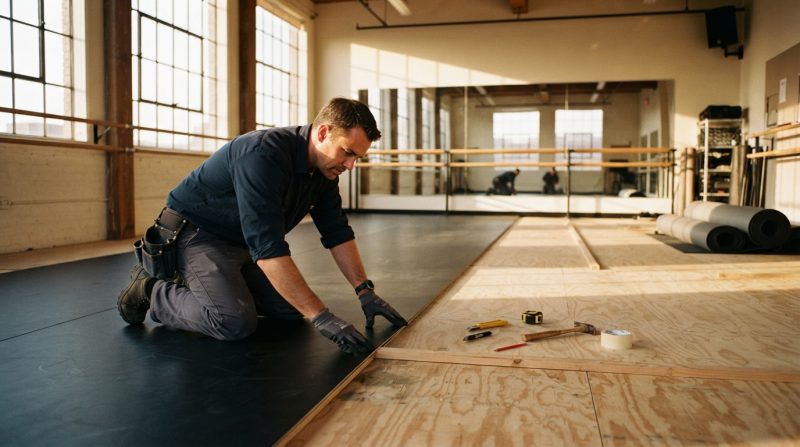
- A performing arts flooring contractor evaluates a venue’s subfloor, sprung-floor needs, and surface material before recommending a system built for dance, theater, or stage use.
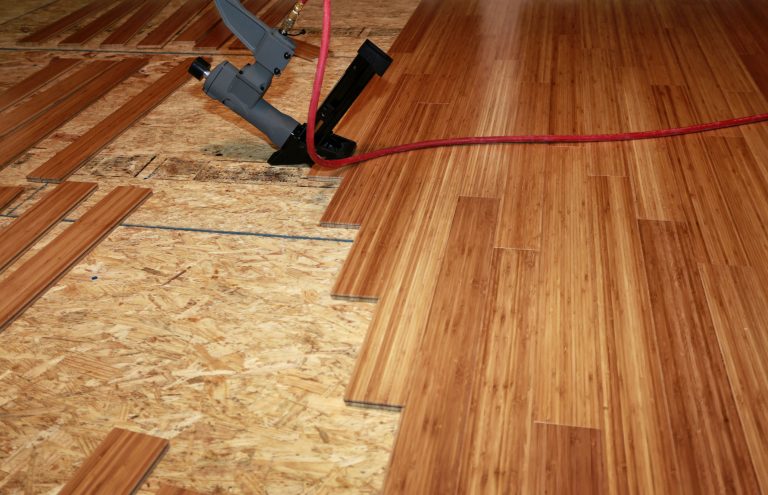
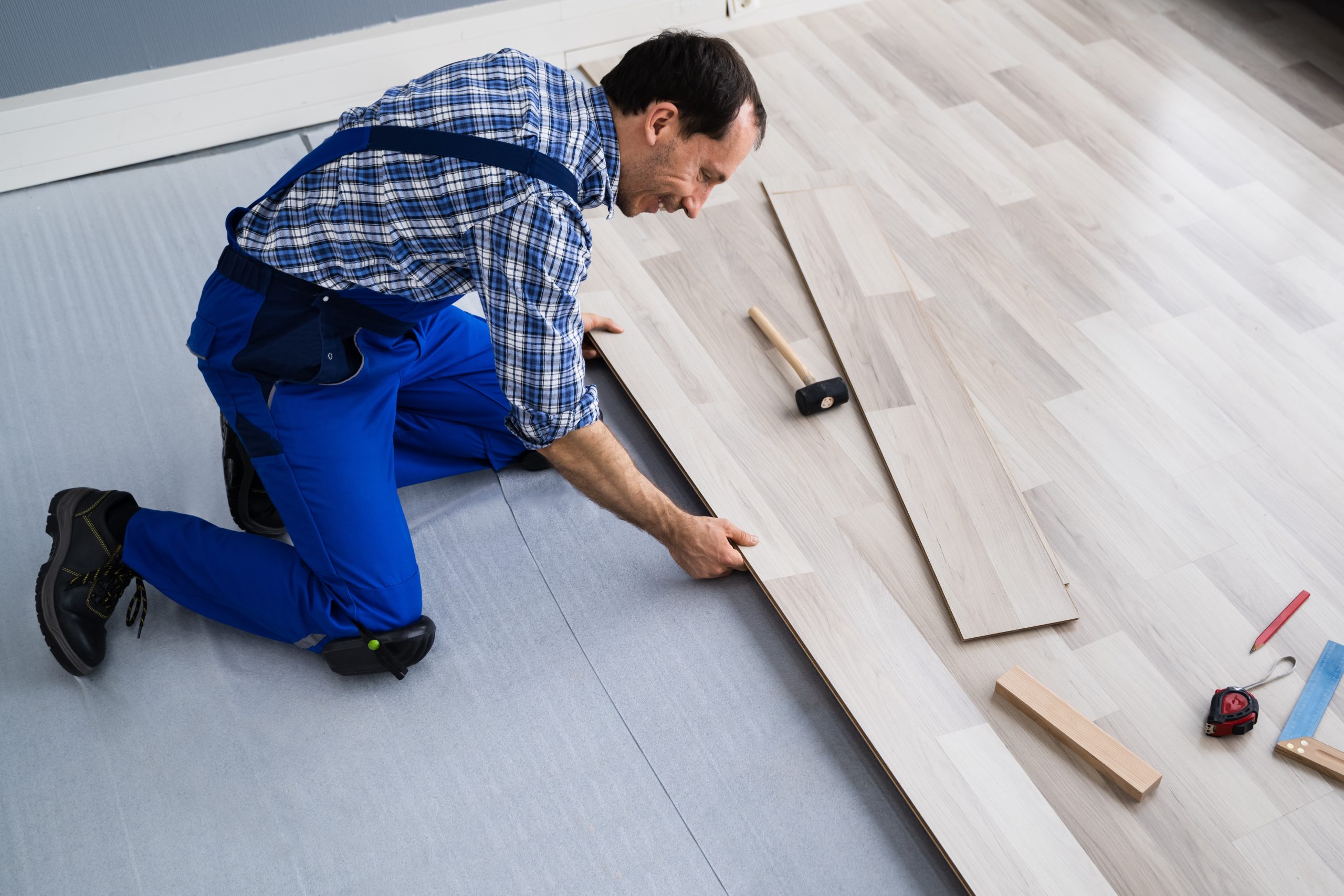
- Installation typically involves subfloor inspection, moisture testing, underlayment selection, and a surface layer matched to the activity performed on it.
- Baltimore, MD venues should confirm a contractor’s experience with sprung floors and specialty surfacing before work begins.
Hiring a qualified contractor for performing arts flooring means working with a specialist who understands how dance studios, theaters, and rehearsal spaces differ from standard commercial flooring projects. The right professional assesses subfloor conditions, moisture levels, and the physical demands of the activity before recommending a system. Master Care Flooring is one example of a contractor type that focuses specifically on this niche rather than general flooring installation.
Performing arts spaces place unique stress on flooring. Dancers, actors, and performers need surfaces that absorb impact, resist slipping, and hold up to repeated motion without degrading over a short period. A contractor familiar with these requirements will typically look at subfloor structure, existing moisture barriers, and the specific discipline, ballet, modern dance, theater staging, before recommending a system.
What the Evaluation Process Usually Involves
Before any installation begins, a contractor should walk through several technical checks. Skipping these steps often leads to premature wear or safety issues later.
- Subfloor inspection: Checking for levelness, structural soundness, and existing damage.
- Moisture testing: Concrete slabs in particular need moisture readings before any adhesive or underlayment goes down.
- Space usage review: Identifying whether the floor will support ballet, tap, theatrical staging, or multi-purpose rehearsal use.
- Sprung floor assessment: Determining whether a cushioned, shock-absorbing subsystem is needed beneath the surface layer.
A contractor who skips these steps is more likely to deliver a floor that performs poorly under repeated use. Reputable providers document each step so building owners understand what was inspected and why specific materials were chosen.
Materials and Systems Commonly Used
Performing arts flooring is not a single product. It is a layered system, and the right combination depends on the venue’s primary use.
| Component | Purpose | Common Setting |
|---|---|---|
| Sprung subfloor | Shock absorption, joint protection | Dance studios, ballet |
| Vinyl or marley surface | Slip resistance, smooth glide | Stage, rehearsal halls |
| Underlayment pad | Sound dampening, cushioning | Multi-purpose theaters |
| Subfloor leveling compound | Flat, stable base | Older or renovated buildings |
According to the U.S. Access Board, surface stability and slip resistance are factors considered in accessibility guidelines for walking surfaces in public facilities, which can inform flooring choices in performance venues open to the public.
Questions to Ask Before Signing a Contract
A short conversation before work begins can prevent costly mistakes later. Building owners and studio operators should ask about the following:
- How many performing arts or sprung-floor projects has the contractor completed.
- What moisture testing and subfloor prep steps are included in the estimate.
- Which surface materials are recommended for the specific activity planned for the space.
- What the expected timeline is from demolition to final installation.
Contractors who answer these questions clearly and specifically, rather than with vague reassurances, tend to be more transparent about scope and cost. Venues in Baltimore, MD working with older buildings should also ask how a contractor handles uneven or historic subfloors, since this is a common complication in renovated performance spaces.
Business Info
Master Care Flooring is listed on Google as a flooring contractor serving the Baltimore, MD area. Details about the business listing, including service category and location information, are available through Learn More About Master Care Flooring.
Frequently Asked Questions
What makes performing arts flooring different from standard flooring? Performing arts flooring is engineered for repeated impact, slip resistance, and shock absorption, which standard commercial or residential flooring is not designed to handle.
Do all dance studios need a sprung floor? Sprung floors are commonly recommended for disciplines involving jumps or repeated impact, such as ballet or modern dance, though lighter-use rehearsal spaces may use a simpler system.
How long does a performing arts flooring installation take? Timelines vary based on subfloor condition and square footage, so a site assessment is typically needed before a contractor can provide a specific schedule.
Can existing concrete subfloors be used for performing arts flooring? Concrete subfloors can often be used, but they usually require moisture testing and leveling work before a sprung or surface layer is installed.
Final Thoughts
Current listing information for Learn More About Master Care Flooring is published for the Baltimore, MD service area.