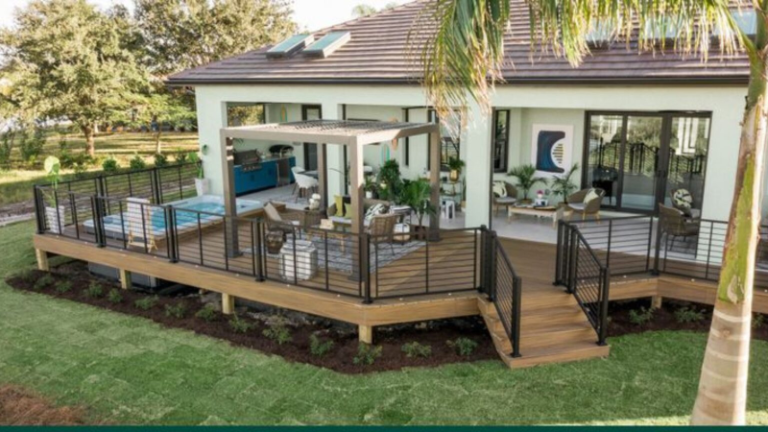
A home in Northern Colorado should feel comfortable through bright summer afternoons, snowy winter mornings, and sudden shifts in weather. If you’re researching Custom home builders Fort Collins, consider how a builder’s planning process can shape a home that fits both your daily routines and the region’s conditions.
Start With the Site and the Climate
Before choosing finishes or drawing floor plans, learn what the property can support. A site assessment can identify slope, soil conditions, drainage patterns, utility access, and potential constraints such as easements or local zoning requirements. These details influence where the home sits, how water moves away from its foundation, and which design choices are practical.
Fort Collins’ climate also calls for thoughtful decisions about the building envelope. Strong insulation, carefully sealed air barriers, and high-performance windows can help keep indoor temperatures steady as outdoor conditions change. Ask how the proposed design will manage snow, wind, hail, and freeze-thaw cycles. Durable roofing, well-detailed flashing, and appropriate exterior materials can help protect the home over time.
Sunlight is another important consideration. South-facing windows can bring in useful winter warmth, while well-designed overhangs or exterior shading can reduce unwanted summer heat. The right balance depends on the lot, window placement, and surrounding trees or structures.
Plan for Everyday Life
A custom home works best when its layout reflects how people actually live. Think through your routines before finalizing the floor plan: Where do shoes and coats go? Do you need a quiet office, a flexible guest room, or a mudroom for outdoor gear? Clear answers help guide room sizes, storage, and the relationship between shared and private spaces.
Consider future needs, too. Wider doorways, a main-floor bedroom, and a curbless shower may improve accessibility without making the home feel institutional. Flexible spaces can adapt as work, family, or hobbies change.
Energy and water efficiency deserve attention early, because they are easier to incorporate during design than to add later. Discuss efficient heating and cooling equipment, smart controls, LED lighting, and water-saving fixtures. In the yard, regionally appropriate plants and efficient irrigation can reduce water demand while creating an attractive, manageable landscape.
Keep Decisions and Costs Clear
A successful building experience depends on communication as much as design. Ask how the builder handles estimates, allowances, change orders, construction updates, and scheduling. Compare bids carefully: A lower initial price may omit site work, landscaping, or finish details that matter to you.
Make a written list of priorities, separating essentials from upgrades. Confirm what is included in the contract, when selections are due, and how changes affect cost and timing. Regular check-ins can catch misunderstandings before they become expensive delays.
A well-planned Colorado home brings together a suitable site, a resilient building envelope, efficient systems, and a layout tailored to its owners. By asking specific questions and making key decisions early, you can create a home designed for local weather and everyday comfort—one that remains practical, durable, and welcoming for years to come.