Short version:
- Quality outdoor furniture depends on frame material, weather resistance, and construction method, not just appearance.
- Teak, aluminum, and high-density polyethylene (HDPE) resin each handle different climate challenges.
- An established Outdoor Furniture Store can help buyers compare materials before investing in a full patio set.
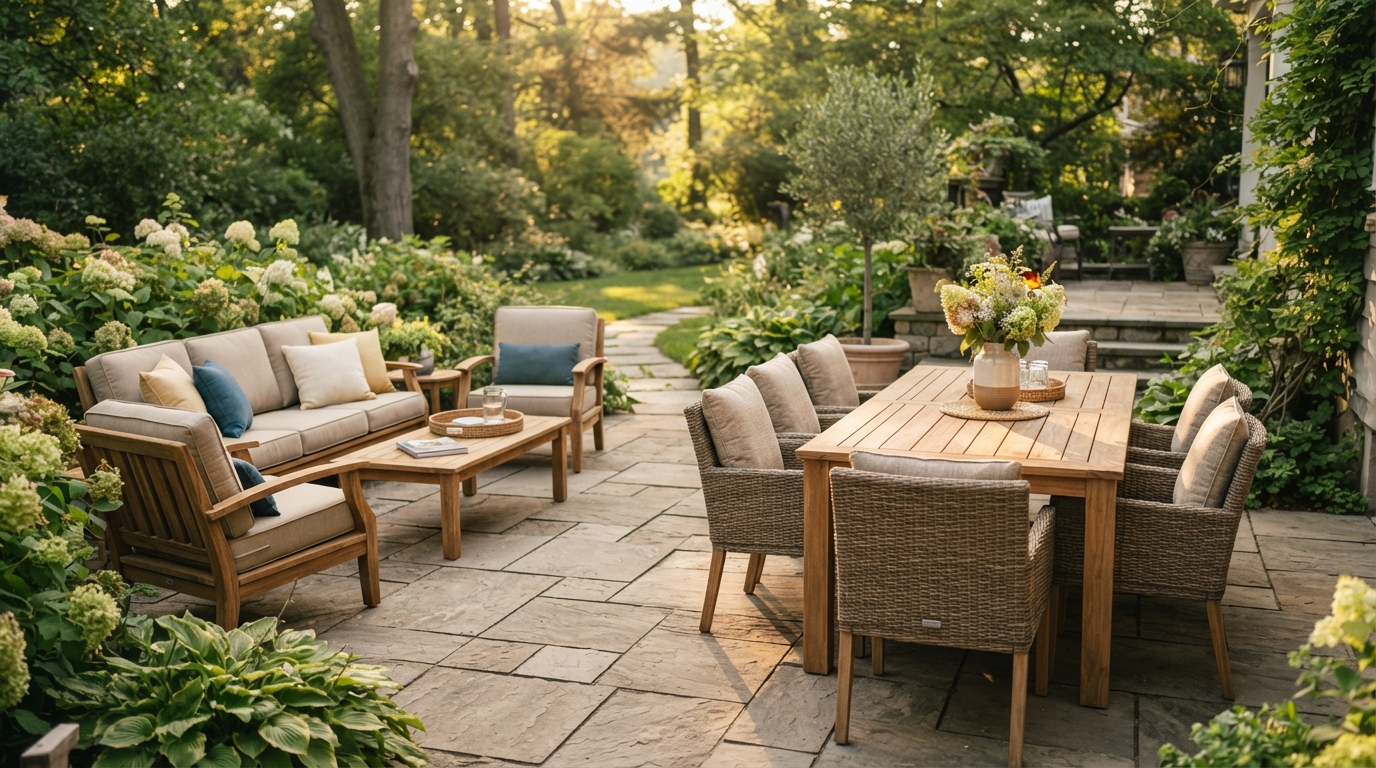
Finding durable patio seating, dining sets, or loungers means weighing material, warranty terms, and how a piece will hold up through seasonal temperature swings and humidity. The right choice depends less on style and more on construction quality and climate suitability for where the furniture will live outdoors.
For homeowners researching an Outdoor Furniture Store, the decision usually comes down to balancing upfront cost against long-term durability. A well-built aluminum frame or solid teak set can last over a decade with minimal upkeep, while lower-grade materials may warp or fade within a few seasons. Knowing what separates a short-lived purchase from a long-term investment is the first step before comparing retailers or browsing showroom floors.
What Makes Outdoor Furniture Durable
Weather exposure is the biggest factor shaping how long a patio set lasts. Indiana’s seasonal swings, from humid summers to freezing winters, put real stress on frames, cushions, and finishes.
Key durability factors include:
- Frame material – aluminum resists rust, teak resists rot, and HDPE resin resists cracking and fading.
- Hardware quality – stainless steel fasteners outperform standard steel, which can corrode with repeated moisture exposure.
- Cushion fabric – solution-dyed acrylic fabrics resist fading and mildew better than standard polyester blends.
- Finish type – powder-coated metal holds up longer than painted finishes, which can chip or peel.
Buyers in New Palestine, IN should also factor in storage. Furniture left uncovered through winter needs more weather-resistant materials than pieces stored in a garage or shed during colder months.
Comparing Common Outdoor Furniture Materials
Material choice affects price, maintenance, and lifespan. The table below outlines how common options compare.
| Material | Durability | Maintenance Level | Typical Lifespan |
| Teak wood | High | Low to moderate | 15-25 years |
| Aluminum | High | Low | 10-20 years |
| HDPE resin | High | Very low | 15-20 years |
| Wrought iron | Moderate | Moderate to high | 10-15 years |
Teak and aluminum tend to perform best in climates with freeze-thaw cycles, since both resist moisture absorption that can crack lower-quality materials. According to the U.S. Forest Service, wood species with naturally high oil content, like teak, resist decay better than untreated softwoods, which matters for anyone comparing wood furniture options for long-term outdoor use.
Questions to Ask Before Buying
A short list of questions can help narrow down options before committing to a full patio set.
- What warranty coverage applies to frames versus cushions? Many manufacturers separate these terms, with frames often covered longer than fabric.
- Is the cushion fabric solution-dyed or pigment-dyed? Solution-dyed fabric holds color better under UV exposure.
- Can replacement parts be ordered later? This matters if a cushion or glide needs replacing after a few seasons.
- How is the furniture rated for wind or storm exposure? This is relevant for open patios without wind breaks.
Asking these questions before purchase helps avoid replacing furniture prematurely due to mismatched materials or unclear warranty terms.
Matching Furniture to Local Conditions
Local climate conditions in New Palestine, IN should guide material selection as much as personal style preference. Humid summer months can accelerate mildew growth on lower-quality fabrics, while winter freeze-thaw cycles stress wood joints and metal welds.
Practical considerations include:
- Covering or storing cushions during extended wet periods.
- Choosing rust-resistant hardware for uncovered patios.
- Selecting UV-stabilized resin for furniture that stays outdoors year-round.
Furniture sourced through a knowledgeable retailer typically comes with clearer guidance on which materials suit regional weather patterns, reducing the chance of early wear or costly replacements.
Frequently Asked Questions
How long should quality outdoor furniture last? Well-built pieces in materials like teak, aluminum, or HDPE resin typically last 10 to 25 years depending on maintenance and exposure levels.
Is covered storage necessary in winter? Covered or indoor storage extends the life of cushions and fabric significantly, though frames made from aluminum or resin can often remain outdoors year-round.
What is the most low-maintenance material? HDPE resin and aluminum require the least upkeep, needing only occasional cleaning rather than sealing or refinishing.
Does price always indicate quality? Not always. Price often reflects brand and design complexity, but checking frame material, hardware grade, and fabric type gives a clearer picture of durability.
Where to Learn More
Based in Morristown, IN, Timberline Backyard serves customers across New Palestine, IN.
Current product availability and seasonal selection details for Timberline Backyard are published for reference before planning a patio furniture purchase.