Bottom line:
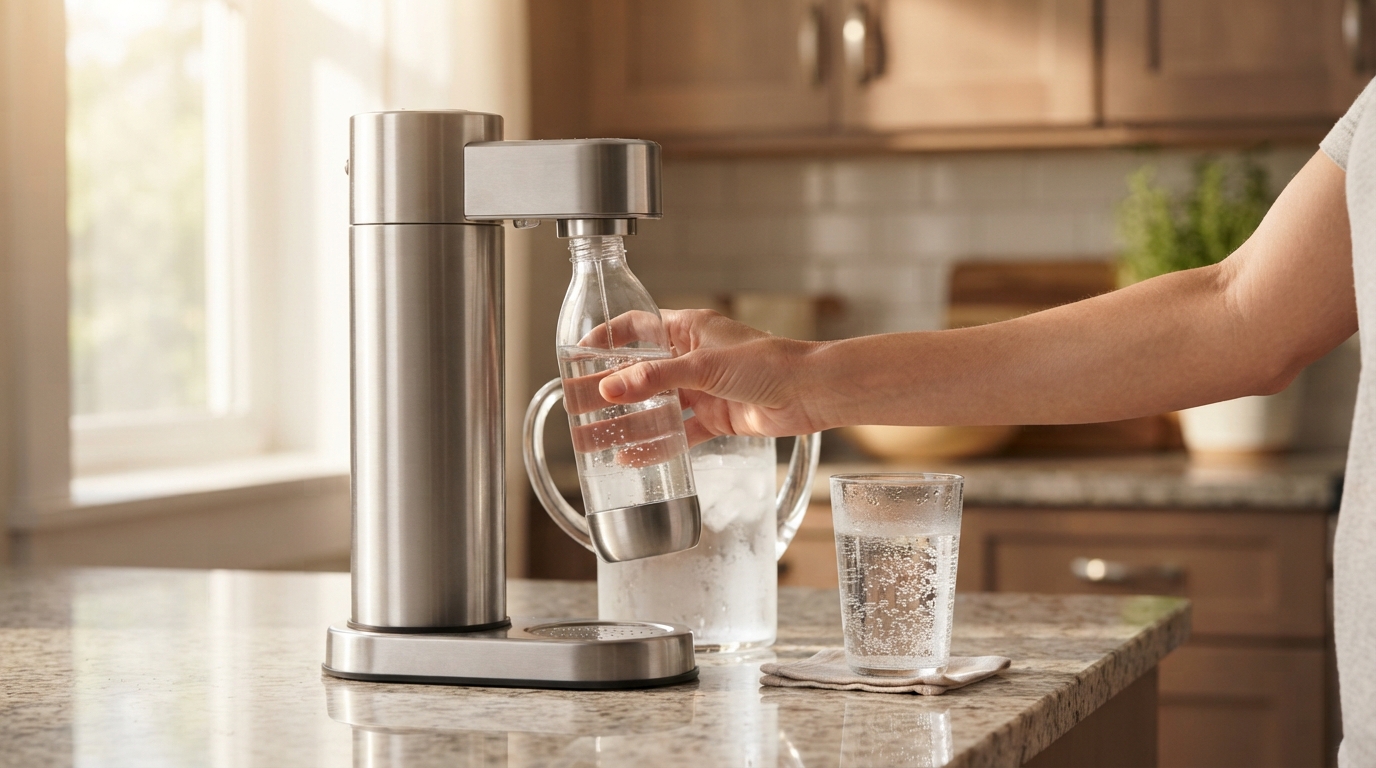
- A soda maker machine carbonates plain or flavored water at home, cutting down on single-use cans and bottles.
- Look for tank compatibility, carbonation control, and bottle material (glass vs. plastic) before buying.
- Countertop units with reusable bottles tend to offer the most flexibility for daily use.
Choosing a soda maker machine comes down to matching carbonation style, bottle type, and gas source to how a household actually drinks sparkling water. The right unit should fit countertop space, work with widely available CO2 canisters, and let a user dial in fizz levels without guesswork.
Home carbonation has grown as a practical alternative to buying canned or bottled sparkling water every week. A Soda Maker Machine lets a household carbonate water or other beverages on demand, which reduces reliance on single-use packaging. That shift matters beyond convenience, since plastic bottle waste remains a measurable environmental concern tracked by national recycling programs.
What a Soda Maker Machine Actually Does
At its core, the appliance forces pressurized carbon dioxide into liquid, creating bubbles similar to store-bought sparkling water. Most machines use a small reusable CO2 canister connected to a carbonating head or chamber.
Key functional differences between models include:
- Carbonation method: snap-lock bottle versus open-chamber injection
- Bottle material: plastic, glass, or stainless steel
- Compatibility: ability to carbonate plain water only, or also juices, teas, and other beverages
- CO2 source: proprietary canisters versus standard threaded cylinders
These differences affect both daily usability and long-term cost, since canister refills and bottle replacements are recurring expenses.
Comparing Common Soda Maker Styles
Shoppers typically choose between a few recognizable formats. The table below outlines general category differences rather than any single brand’s full specification sheet.
| Style | Typical Bottle Type | Carbonates Non-Water Drinks | Best For |
|---|---|---|---|
| Snap-lock countertop | Plastic, proprietary | Limited | Simple daily fizzy water |
| Open-chamber countertop | Any bottle, including glass | Yes, in most models | Flavored drinks, juices, cocktails |
| Standalone CO2 dispenser | Glass carafe | No | Minimalist kitchens |
Open-chamber designs generally offer broader beverage compatibility because the bottle is not sealed to a single carbonating mechanism. That flexibility appeals to users who want sparkling juice or flavored tea in addition to plain fizzy water.
Factors That Affect Long-Term Value
Upfront price is only part of the cost picture. Ongoing expenses and maintenance habits shape whether a machine stays practical after the first few months.
- CO2 refill access – Standard threaded cylinders can often be exchanged at more retail locations than proprietary canisters.
- Bottle lifespan – Plastic carbonating bottles typically need replacement every year or two with regular use; glass options may last longer but require careful handling.
- Cleaning requirements – Removable parts that are dishwasher-safe reduce daily upkeep.
- Fizz control – Machines with multiple carbonation levels let users match texture to preference, from light sparkle to strong fizz.
Water quality also plays a role in taste consistency. The Environmental Protection Agency’s drinking water guidance notes that tap water quality varies by municipal source, which can influence the final taste of home-carbonated beverages even when the machine itself performs correctly.
Matching a Machine to Household Habits
A single-person household with limited counter space may prioritize a compact snap-lock model, while a family that mixes sparkling water, soda, and flavored drinks often benefits from open-chamber flexibility. Consider:
- How many ounces are typically consumed per day
- Whether glass bottles are preferred for durability or taste neutrality
- If flavored syrups or juice carbonation are a regular goal
- Available counter and storage space for the machine and spare CO2 canisters
Matching these habits to machine type before purchase reduces the likelihood of buying a unit that gets replaced within a year.
Frequently Asked Questions
Does a soda maker machine work with any CO2 canister? Compatibility depends on the brand and canister threading. Some machines use proprietary canisters, while others accept standard threaded CO2 cylinders sold more widely.
Can these machines carbonate drinks other than water? It depends on the design. Open-chamber models generally allow carbonation of juices, teas, and other beverages, while snap-lock systems are often limited to plain or lightly flavored water.
How long does a CO2 canister typically last? Canister life varies by carbonation level and bottle size, since stronger fizz settings use more gas per bottle.
Is glass or plastic better for carbonating bottles? Glass tends to resist flavor absorption over time, while plastic is lighter and more impact-resistant for everyday handling.
A Practical Next Step
Choosing a soda maker machine works best when it is based on real drinking habits rather than features that sound appealing in a store display. Drinkmate focuses on carbonation systems designed to work with a range of beverages beyond plain water, giving households more flexibility in daily use. Those comparing options can Visit Drinkmate to review available models and find a setup that matches household size, beverage preferences, and counter space before making a final decision.