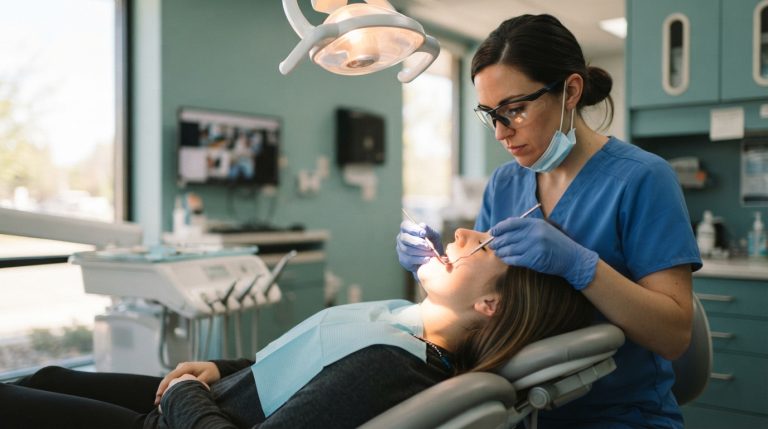
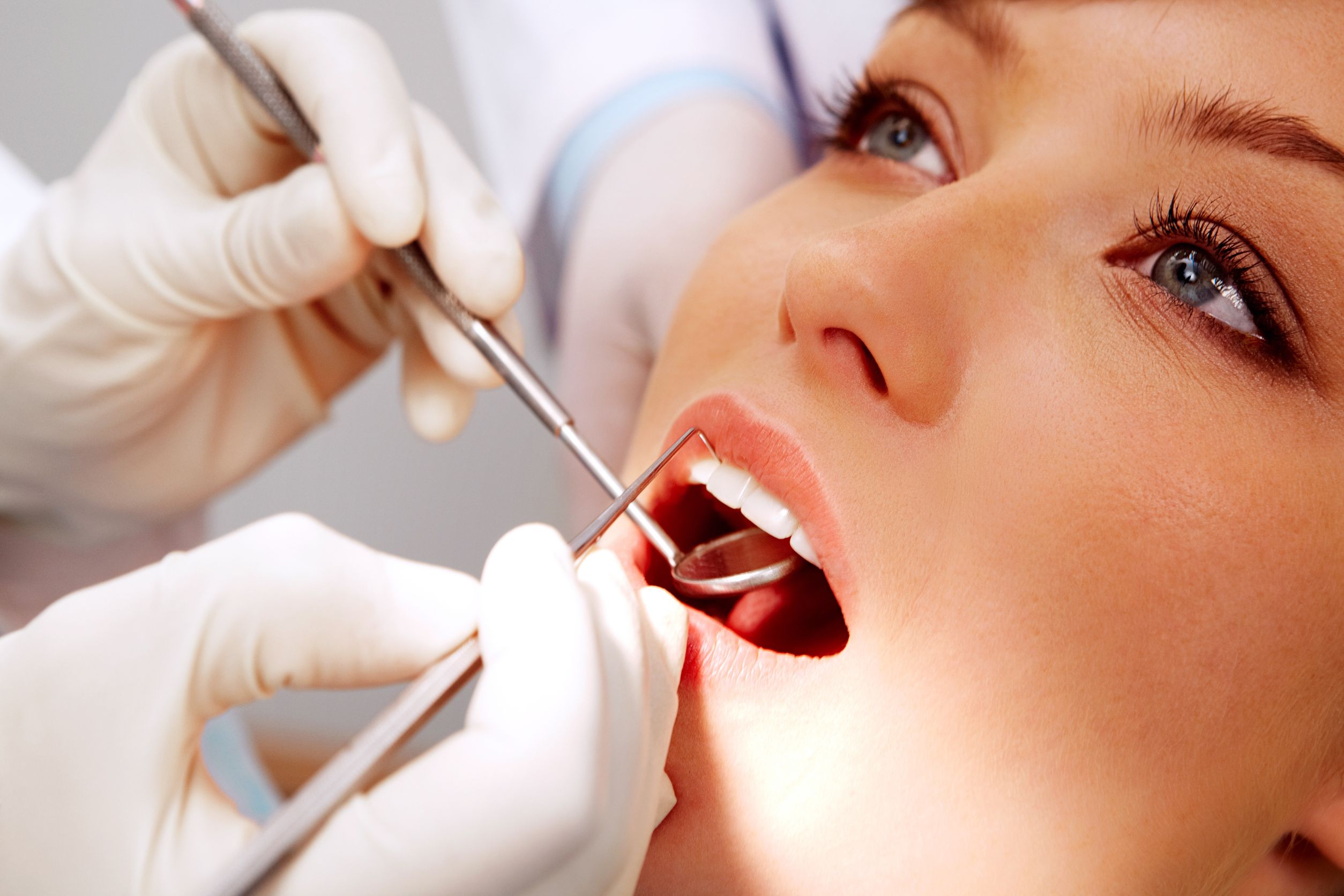
Tooth pain can interrupt a meal, keep you awake, or make it difficult to focus on anything else. A chipped tooth, lost filling, or sudden swelling can be just as unsettling, especially when you are unsure how quickly to act. If you are searching online for a dentist in Milton, GA, knowing what to do before an appointment can help you protect your tooth and make a stressful situation more manageable.
When Tooth Pain Needs Prompt Attention
Dental discomfort has many possible causes, including decay, a cracked tooth, gum irritation, an infection, or a damaged restoration. Pain may be sharp, dull, constant, or triggered by biting, temperature, or sweets. The sensation alone does not reveal the cause, so arrange a dental evaluation rather than relying on home care to diagnose the problem.
Contact a dental office promptly if pain is severe, lasts more than a day or two, keeps returning, or interferes with eating or sleeping. Swelling, a bad taste, pus, fever, or tenderness around a tooth can point to infection and should be assessed quickly. A dentist can examine the area and determine whether you need an X-ray, a filling, a crown, treatment for infection, or another solution.
Some symptoms call for emergency medical care rather than a routine dental appointment. Seek immediate help for trouble breathing or swallowing, rapidly spreading facial or neck swelling, or swelling that affects the eye. These signs can indicate a serious infection. For a dental injury involving heavy bleeding or a suspected jaw fracture, seek urgent care as well.
What to Do Before You Are Seen
A few careful steps can reduce discomfort and limit further damage while you arrange professional care:
- Rinse Gently. Use warm water to clear food debris. If something is stuck between teeth, try flossing carefully; do not use sharp objects.
- Use a Cold Compress. Apply it to the outside of your cheek for short intervals to help with swelling. Avoid placing ice directly on a tooth or gum.
- Choose Pain Medicine Safely. Over-the-counter medication may help when taken according to the label and your clinician’s advice. Do not put aspirin directly on the tooth or gums, since it can irritate or burn tissue.
- Protect a Damaged Tooth. If a tooth is chipped, save any fragment if possible and bring it to the appointment. Cover a sharp edge with dental wax if available, and avoid chewing on that side.
- Keep the Area Clean. Brush gently and continue normal oral hygiene, taking care around sore or injured tissue.
Call ahead and describe your symptoms, when they began, and whether there is swelling, fever, or an injury. Clear details help the office determine how soon you should be evaluated and what to do in the meantime. Avoid placing heat on a swollen area or using leftover antibiotics; neither addresses the underlying cause safely.
Handling Common Unexpected Dental Problems
A knocked-out permanent tooth needs immediate action. Pick it up by the crown, not the root. If it is dirty, rinse it briefly with milk or saline—do not scrub it. If possible, gently place it back in its socket without forcing it. Otherwise, keep it moist in milk or between your cheek and gums, and seek emergency dental care right away. Time matters. A baby tooth should not be put back in the socket; contact a dentist for instructions.
For a lost filling or crown, keep the restoration if you can and call for advice. Avoid sticky or hard foods, and do not use household glue. Temporary dental cement from a pharmacy may provide short-term coverage when used as directed, but it is not a substitute for having the tooth examined. A cracked tooth should also be evaluated promptly, even if the pain comes and goes, because biting pressure can worsen the damage.
With a bitten lip, cheek, or tongue, apply gentle pressure with clean gauze and use a cold compress. If bleeding will not stop, the wound is deep, or swelling is significant, seek urgent care.
What to Expect at an Appointment
A dental visit for sudden pain usually starts with questions about your symptoms and health history, followed by an examination. Imaging may be needed to check for decay, a fracture, or changes around a tooth’s root. After identifying the likely cause, the dentist can explain treatment options, timing, and ways to manage discomfort. Depending on the problem, care might involve repairing a tooth, treating an infection, adjusting a restoration, or monitoring a minor injury.
Share what makes the pain better or worse, any medicines you take, allergies, and relevant medical conditions. This information helps the care team recommend an appropriate plan. If cost, scheduling, or dental anxiety is a concern, mention it when you call so the office can discuss practical next steps.
Reduce the Chance of Another Urgent Problem
Routine checkups can catch small issues before they become painful, while brushing twice a day with fluoride toothpaste and cleaning between teeth daily supports healthy teeth and gums. Limit frequent sugary snacks and drinks, wear a mouthguard during contact sports, and avoid chewing ice or hard objects. If you grind your teeth, ask whether a protective night guard may help.
Sudden dental problems can feel alarming, but timely attention and sensible first aid make a difference. Recognize warning signs, protect an injured tooth, and contact a dental professional for an evaluation rather than waiting for symptoms to worsen. After treatment, consistent home care and regular checkups can help prevent many problems and protect your oral health.