Recap:
- A qualified roof repair contractor identifies storm and wear damage early, helping homeowners in Ormond Beach, FL avoid costlier structural repairs later.
- Florida building code and insurance rules tie roof condition directly to coverage eligibility, making documented repairs and permits important.
- Choosing a contractor who understands local code requirements and storm exposure supports long-term roof performance.
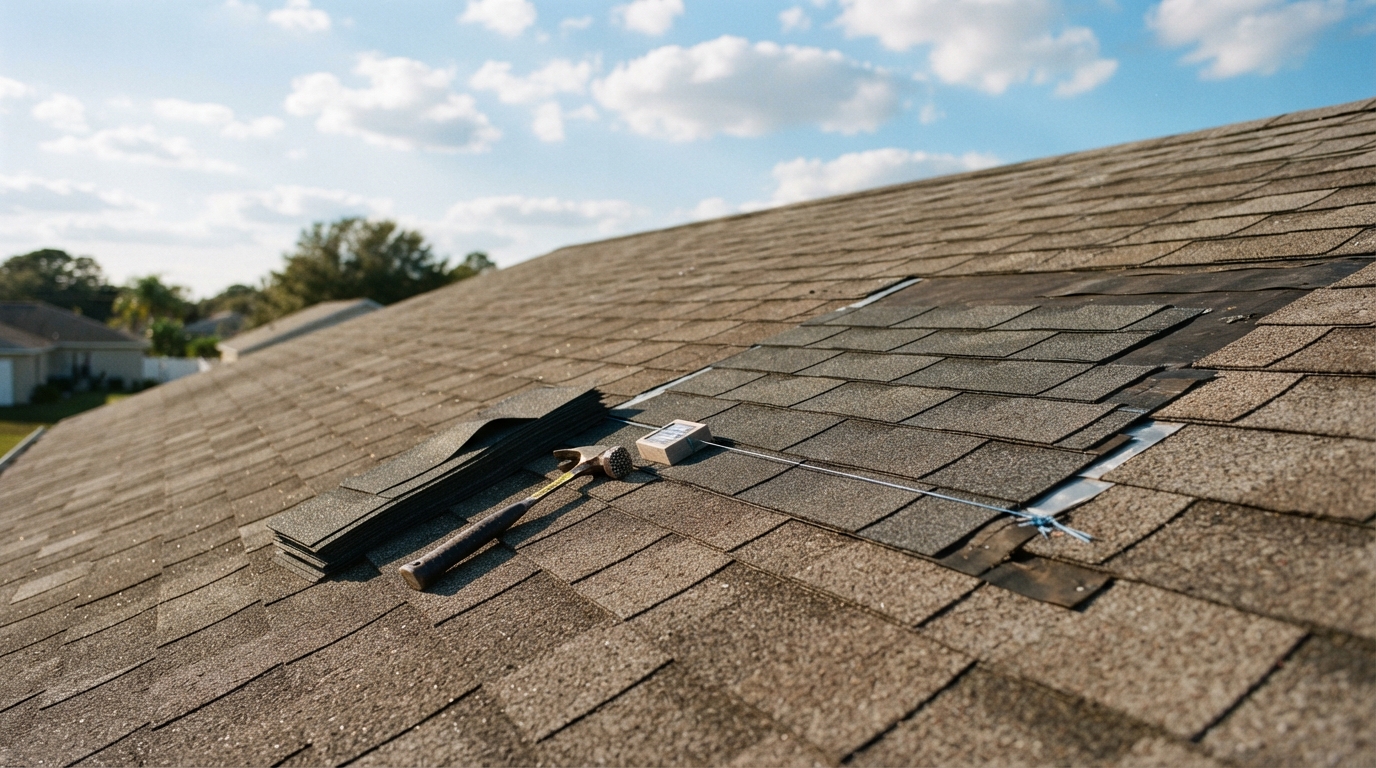
Roof damage in coastal Florida rarely stays minor for long. A licensed Roof Repair Contractor evaluates shingle, tile, or flashing damage against current building code standards and insurance requirements before recommending a repair plan, which helps homeowners avoid denied claims or forced full replacements.
For residents of Ormond Beach, FL, the stakes around roof condition have grown more complicated. Florida’s regulatory environment now links roof age and repair scope directly to insurance eligibility, so a damaged roof is not just a maintenance issue but a factor in whether coverage can be renewed at all.
Why Roof Condition Affects More Than the Structure
Homeowners often assume a few missing shingles or a small leak is a cosmetic problem. In practice, roof condition influences insurance underwriting, resale value, and compliance with current code.
- Insurers can decline to renew policies on roofs over a certain age without a certified inspection confirming remaining service life.
- Repairs to older roof sections sometimes must meet current code standards, which can trigger a larger scope of work than originally expected.
- Wind mitigation features, such as secondary water barriers and proper deck attachment, factor into both safety and premium calculations under Florida law.
These rules are outlined in Florida’s building code provisions covering wind-borne debris and windstorm-resistant construction, which set minimum standards for roof systems statewide. The Florida Building Code establishes requirements that licensed contractors are expected to follow when performing repairs or reroofing work.
What a Qualified Repair Process Typically Involves
A dependable repair sequence follows a consistent order, regardless of the type of damage involved.
- Visual and physical inspection – checking decking, flashing, underlayment, and shingle or tile condition for both visible and hidden damage.
- Documentation – recording findings with photos and written notes, which supports any insurance claim tied to storm damage.
- Permitting – pulling required permits before work begins, since unpermitted repairs can complicate future insurance claims or home sales.
- Repair execution – addressing the specific damaged area while confirming the surrounding materials still meet code.
- Final review – verifying fastening, sealant integrity, and ventilation before closing out the job.
Skipping permits or documentation is one of the more common shortcuts that creates problems later, particularly if a homeowner later files an insurance claim referencing the same section of roof.
Comparing Repair Approaches
| Approach | Typical Scope | Best Suited For |
| Spot repair | Single damaged section (shingles, flashing, sealant) | Isolated leaks or storm-related damage under 25% of roof area |
| Partial reroof | One slope or section replaced | Localized wear or damage that exceeds code repair thresholds |
| Full replacement | Entire roof system | Roofs nearing or exceeding typical insurer age thresholds, or damage affecting structural decking |
Selecting the right category depends on inspection findings rather than guesswork, which is why a documented assessment matters before any work order is signed.
Local Conditions That Influence Roof Repair Decisions
Ormond Beach, FL sits in a coastal zone exposed to high humidity, UV exposure, and seasonal tropical weather, all of which accelerate wear on shingles, tile, and flashing. Homes built before more recent code updates may also carry older roofing materials that no longer meet current wind mitigation standards, which can affect both safety and insurance pricing.
Because repair work in this area often intersects with permitting and insurance documentation, many homeowners prefer working with a contractor operating from Daytona Beach, FL who understands both the regional climate exposure and the paperwork tied to Florida’s code and insurance requirements.
Frequently Asked Questions
How do I know if roof damage requires a full replacement instead of a repair? Code and insurer rules generally require full replacement when documented damage exceeds about 25 percent of the roof area or when repairs cannot be matched to current material standards on older roofs.
Does a roof repair require a permit in Florida? Most repair work beyond minor cosmetic fixes requires a permit, which triggers inspections confirming the work meets current building code.
Can an insurer drop coverage because of roof age alone? Under current Florida rules, insurers may decline to renew a policy on a roof over a set age unless a certified inspection confirms several more years of expected service life.
What should I document before a contractor starts repair work? Photograph the damage from multiple angles, note the date and weather event involved, and keep copies of every estimate and insurance communication tied to the repair.
Service Area and Contact Details
Based in Daytona Beach, FL, White Ibis Restoration serves customers across Ormond Beach, FL with exterior restoration and storm damage repair work.
Additional published details for Learn More about roof repair outline current roofing repair and replacement offerings for the service area.