In short:
- A hearing doctor or audiologist evaluates hearing loss, recommends treatment, and fits hearing aids based on individual test results.
- Look for credentials, testing equipment, and follow-up care when comparing providers in Webster, TX.
- Diagnostic hearing tests and device fittings typically require more than one visit for accurate results and adjustment.
Finding the right hearing doctor starts with understanding what the role actually covers: diagnostic testing, treatment recommendations, and ongoing device support rather than a single one-time visit. Matching a provider’s services to a specific hearing concern, whether it is a sudden change in hearing or a gradual decline noticed over years, narrows the search considerably.
Residents searching for Hearing Doctors in Webster, TX often compare audiologists, hearing instrument specialists, and ENT-affiliated clinics, each of which handles testing and treatment differently. Understanding these distinctions before scheduling an appointment can help you avoid repeat visits or mismatched care.
What a Hearing Doctor Actually Does
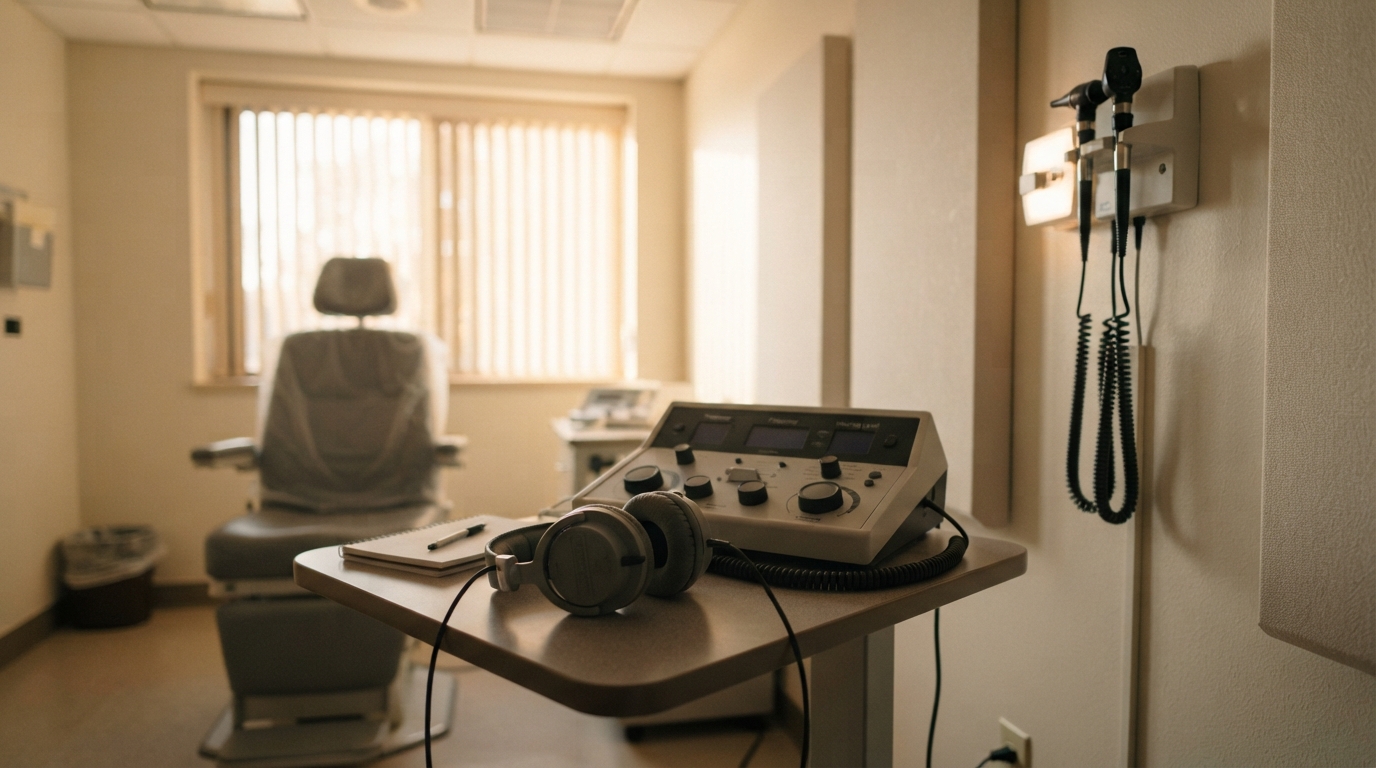
A hearing doctor, typically an audiologist, performs diagnostic testing to measure the type and degree of hearing loss before recommending a course of action. This differs from a general physician referral in that the audiologist conducts the testing directly and interprets results for treatment planning.
Common services under this umbrella include:
- Comprehensive hearing evaluations for adults and children
- Hearing aid fitting and dispensing
- Hearing aid repairs and maintenance
- Hearing protection devices
- Assistive listening devices
Many clinics also maintain relationships with ear, nose, and throat (ENT) practices for cases requiring medical evaluation beyond standard audiology, which is a common arrangement in the field rather than a unique offering.
Why Hearing Evaluations Matter for Webster, TX Residents
Hearing loss is widespread enough that waiting for symptoms to worsen rarely serves anyone well. An estimated 37.5 million American adults, about 15 percent, report some trouble hearing, based on NIDCD data drawn from national health surveys. The gap between needing treatment and receiving it remains significant nationally.
Up to 75% of adults with age-related hearing loss go untreated, often due to cost concerns, uncertainty about where to start, or simply not recognizing early symptoms. For residents of Webster, TX, this means a hearing concern noticed during a family gathering or at work is worth evaluating sooner rather than later. The National Institute on Deafness and Other Communication Disorders maintains current data on hearing loss prevalence and testing guidance that supports this timeline.
Comparing Hearing Care Options
Not every provider offers the same scope of service, and matching the right one to a specific need saves time.
| Provider Type | Diagnostic Testing | Hearing Aid Fitting | Ongoing Repairs/Support |
| Audiology Clinic | Yes, comprehensive | Yes | Yes |
| ENT-Affiliated Practice | Yes, plus medical evaluation | Often | Varies |
| Retail Hearing Aid Store | Limited | Yes | Limited |
Clinics that combine diagnostic testing with device fitting and repair under one roof tend to reduce the number of separate appointments needed for a full course of care.
How to Evaluate a Hearing Doctor Before Scheduling
A few practical steps make comparing providers more straightforward:
- Confirm whether the practice performs in-house diagnostic testing or refers out.
- Ask which hearing aid brands are serviced and whether repairs are handled locally.
- Check if pediatric hearing evaluations are offered, if relevant.
- Review whether hearing protection devices are available for occupational or recreational noise exposure.
Residents in Webster, TX comparing local options should also confirm appointment availability and whether follow-up adjustments are included after a device fitting, since hearing aids often need recalibration in the first few weeks of use.
Frequently Asked Questions
How often should hearing be tested? Adults over 60 are generally advised to have hearing checked periodically, since age-related decline is often gradual and easy to overlook until it affects daily communication.
Does a hearing doctor treat tinnitus? Some audiology practices address tinnitus as part of a broader evaluation, though treatment approaches vary by clinic and by the underlying cause.
Are hearing aid repairs handled on-site? This depends on the clinic and the hearing aid brand; many practices service specific manufacturers directly while referring other brands elsewhere.
What should someone bring to a first hearing evaluation? A list of current medications, any prior hearing test results, and notes on specific listening difficulties helps the provider tailor the evaluation.
Final Notes and Business Information
Bay Area Audiology & Hearing Aids serves customers across Webster, TX, providing audiology and hearing aid services within that service area.
Additional background on hearing care options and provider details is available through Learn More About Bay Area Audiology & Hearing Aids, which outlines the scope of audiology services offered.