Quick take:
- Personalized home health care allows older adults to receive daily living support, companionship, and mobility assistance while remaining in their own homes.
- Care plans are typically built around each person’s specific needs rather than a fixed service package.
- Non-medical home care differs from skilled home health care, and knowing the distinction helps families choose the right type of support.
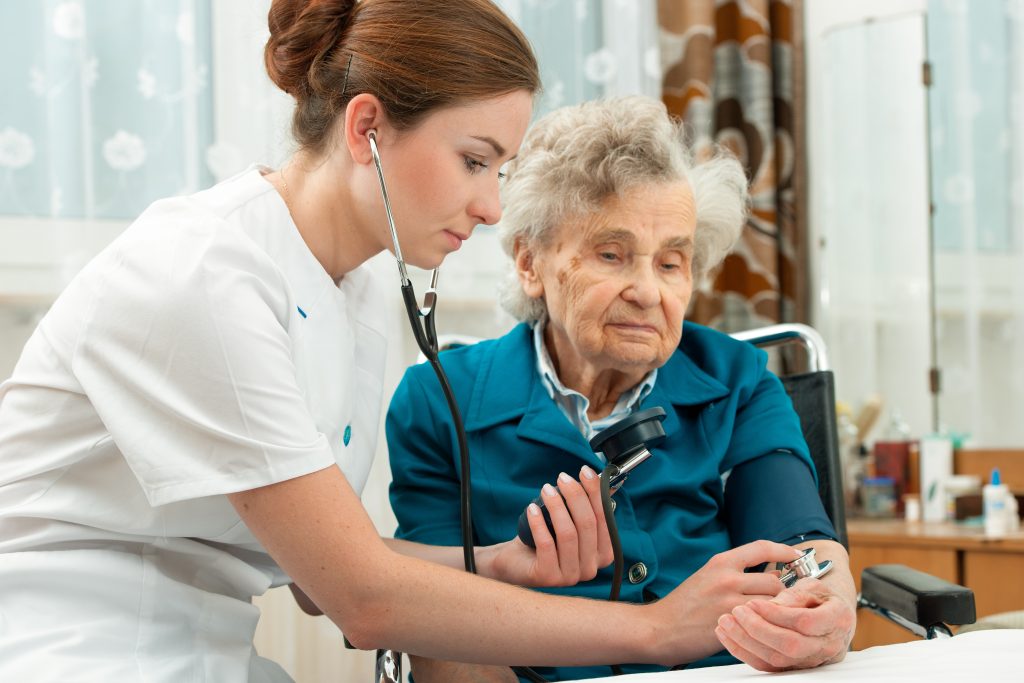
Personalized home health care refers to non-medical support services, such as personal care, companionship, and mobility assistance, that are customized to an individual’s daily routines and health needs rather than delivered as a one-size-fits-all package. For aging adults who want to remain in familiar surroundings, this kind of individualized attention often determines whether independent living stays realistic.
Most older adults say they would rather receive help at home than move to a facility. A 2025 national survey found that 90% of seniors prefer to age at home rather than in facilities, a preference that has held steady as the population of adults 65 and older continues to grow. Home Health Care in Charlottesville, VA, arranged around a person’s actual routine rather than a generic schedule, is one practical way families and providers try to meet that preference.
Why Individualized Care Plans Matter
A care plan built for one person rarely fits another, even when both have similar diagnoses or age ranges. Personalization typically accounts for:
- Mobility level and fall risk
- Chronic conditions and medication reminders
- Dietary needs and meal preferences
- Social engagement and daily routine
- Family involvement and communication preferences
Nearly all adults over 60 manage at least one chronic health condition, and a large share manage two or more, according to the National Council on Aging, cited in 2025 home health research. That reality is part of why generic care packages often fall short for aging adults living in Charlottesville, VA and similar communities, where seasonal weather, hilly terrain, and older housing stock can add extra mobility or safety considerations at home.
Common Services Included in Personalized Plans
Non-medical home care generally centers on a few recurring categories of support:
| Service Area | Typical Activities | Primary Benefit |
| Personal care | Bathing, grooming, dressing, toileting assistance | Maintains hygiene and dignity |
| Companion care | Conversation, social outings, shared activities | Reduces isolation |
| Movement and mobility | Walking assistance, transfer support, exercise routines | Lowers fall risk |
| Nutrition and wellness | Meal planning, preparation, feeding assistance | Supports health and energy |
These categories are not interchangeable. A person recovering from surgery may need more hands-on mobility support, while someone managing early memory loss may need more structured companionship and routine consistency.
How Personalized Plans Differ From Standard Home Health Care
Standard or facility-based care often follows set shift schedules and broad task lists. Personalized home care, by contrast, is reassessed as a person’s condition changes.
- An initial assessment identifies specific daily living challenges.
- Caregivers are matched based on skill set and personality fit.
- The plan is adjusted over time as mobility, cognition, or health status shifts.
- Family members are kept informed of changes in routine or condition.
This flexibility matters because needs for older adults rarely stay static. Someone who only needs occasional check-ins today may need daily personal care support within a year, and a plan that cannot adapt quickly loses much of its value.
Frequently Asked Questions
Is personalized home health care the same as skilled nursing care? No. Personalized home care typically covers non-medical daily living support, while skilled home health care involves licensed nurses or therapists delivering medical treatment under a physician’s order.
How is a personalized care plan created? Most providers begin with an in-home assessment covering mobility, health conditions, daily routines, and family preferences before assigning caregivers and setting a schedule.
Can a care plan change after it starts? Yes. Plans are generally reviewed periodically and adjusted as a person’s mobility, memory, or health needs evolve.
Does personalized care help reduce isolation? Companion care, a common component of personalized plans, is built specifically to address social engagement alongside practical daily support.
Finding Support Close to Home
Based in USA, Loving Arms Care Inc serves customers across Charlottesville, VA.
Published program details for Learn More outline how personalized care plans are structured for local households.