At glance:
• PRP (platelet-rich plasma) therapy uses a concentrated sample of a patient’s own blood platelets to support tissue healing in certain orthopedic conditions.
• Recovery is typically non-surgical, with most patients resuming light activity within days and fuller activity over several weeks.
• Clinical guidance on PRP varies by condition, so a medical evaluation helps determine whether it fits a specific injury or diagnosis.
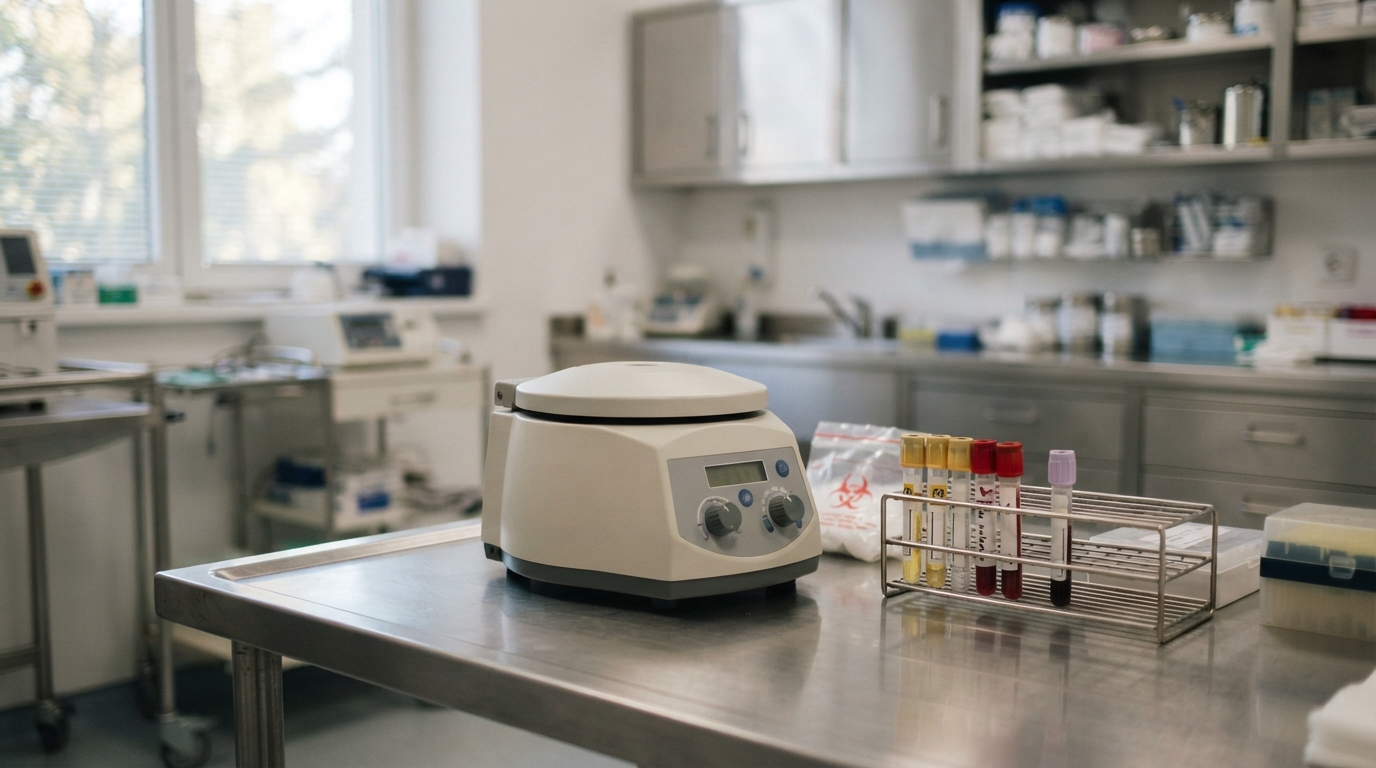
PRP treatment involves drawing a small amount of a patient’s blood, spinning it in a centrifuge to concentrate the platelets, and injecting that concentrate into an injured joint, tendon, or soft tissue area. The goal is to use the body’s own growth factors to support the healing response in conditions such as tendon irritation, mild joint wear, or soft tissue injury. For patients in Aventura, FL researching non-surgical options for joint or tendon pain, understanding how PRP Treatment Aventura works, what it can realistically address, and what recovery looks like is a useful first step before scheduling a consultation.
How PRP Treatment Works
PRP therapy follows a standardized clinical process regardless of the injury being treated.
• A blood sample is drawn from the patient, usually from the arm.
• The sample is placed in a centrifuge that separates platelet-rich plasma from red blood cells.
• The concentrated plasma is injected into the target area, often using ultrasound guidance for accuracy.
• The platelets release growth factors at the injection site to support the tissue repair process.
Because the injection uses the patient’s own blood, the risk of allergic reaction or disease transmission is low compared to some other injectable treatments. Clinical researchers note that the therapy is used to decrease healing time for ligament sprains and tears alongside traditional treatments, and that clinicians currently use PRP therapy to augment surgical repair of tendons, including rotator cuff tendon, Achilles tendon, and hip gluteal tendon.
What Conditions PRP May Address
PRP is not a universal fix, and clinical evidence supports its use more strongly for some conditions than others. Research summarized in a 2025 consensus review notes that the indication of PRP injection for joint or tendon disease must be established by a specialist in musculoskeletal diseases, and each injection should be preceded by an assessment of the benefit-risk balance that weighs the patient’s history and other treatment options.
Common areas where PRP is considered include:
• Chronic tendon irritation, including tennis elbow and patellar tendon issues
• Mild to moderate knee osteoarthritis symptoms
• Post-surgical recovery support alongside tendon or ligament repair
• Select soft tissue injuries in active patients
Evidence remains mixed for certain uses. A 2025 clinical practice guideline from the American Academy of Orthopaedic Surgeons found that the routine use of platelet-rich plasma is not supported for the treatment of rotator cuff tendinopathy or partial tears, which is why professional evaluation of the specific diagnosis matters before pursuing this option. More background on orthobiologic treatment categories is available through the National Library of Medicine, which outlines current indications and contraindications for platelet injections.
Recovery Timeline and What to Expect
Recovery after a PRP injection tends to follow a predictable pattern, though timing varies by injury type and individual healing response.
| Recovery Stage | Typical Timeframe | What Happens |
| Initial inflammation | 1-3 days | Mild swelling or soreness at injection site is common |
| Early activity | 1-2 weeks | Light movement resumes; high-impact activity is limited |
| Tissue remodeling | 3-6 weeks | Growth factor activity supports tissue repair |
| Functional improvement | 6-12 weeks | Many patients report reduced pain and improved mobility |
Patients are generally advised to avoid anti-inflammatory medications immediately before and after the procedure, since these can interfere with the platelet activity the treatment relies on. Multiple injections, spaced weeks apart, are sometimes recommended depending on the condition being treated.
Choosing a Qualified Provider
A thorough evaluation before PRP treatment should include a review of imaging results, a discussion of previous treatments, and a clear explanation of expected outcomes and potential limitations. Patients considering regenerative medicine options in Aventura, FL, can consult orthopedic specialists to learn about ultrasound-guided injections and how treatment progress is monitored over time. Local orthopedic providers offer non-surgical treatment options for individuals experiencing joint and tendon pain. Patients exploring these services can compare available treatment approaches, review provider experience, and schedule a consultation to determine whether PRP therapy is appropriate for their needs.
Frequently Asked Questions
Is PRP treatment painful? Most patients describe the injection as similar to a standard shot, with brief discomfort at the site that typically resolves within a day or two.
How many PRP sessions are usually needed? This depends on the condition and provider recommendation; some patients receive a single injection while others undergo a short series spaced several weeks apart.
Does insurance cover PRP injections? Coverage varies widely, and many insurers currently classify PRP as investigational for several orthopedic conditions, so checking with the specific insurance plan beforehand is recommended.
How soon can normal activity resume after treatment? Light activity often resumes within a few days, while higher-impact movement is generally reintroduced gradually over several weeks based on provider guidance.
Patients weighing non-surgical options for joint or tendon pain often benefit from a professional review of imaging and treatment history before proceeding. Scheduling details and published service information for FTG Ortho are available for those comparing orthopedic providers in the area.