In brief:
- Year-round outdoor appeal depends on seasonal tasks such as spring cleanup, summer irrigation checks, fall aeration, and winter plant protection.
- Soil health, proper watering schedules, and timely pruning are the core maintenance factors that keep a landscape looking consistent across seasons.
- Helena, MT properties face a short growing season and cold winters, which makes timing maintenance tasks correctly especially important.
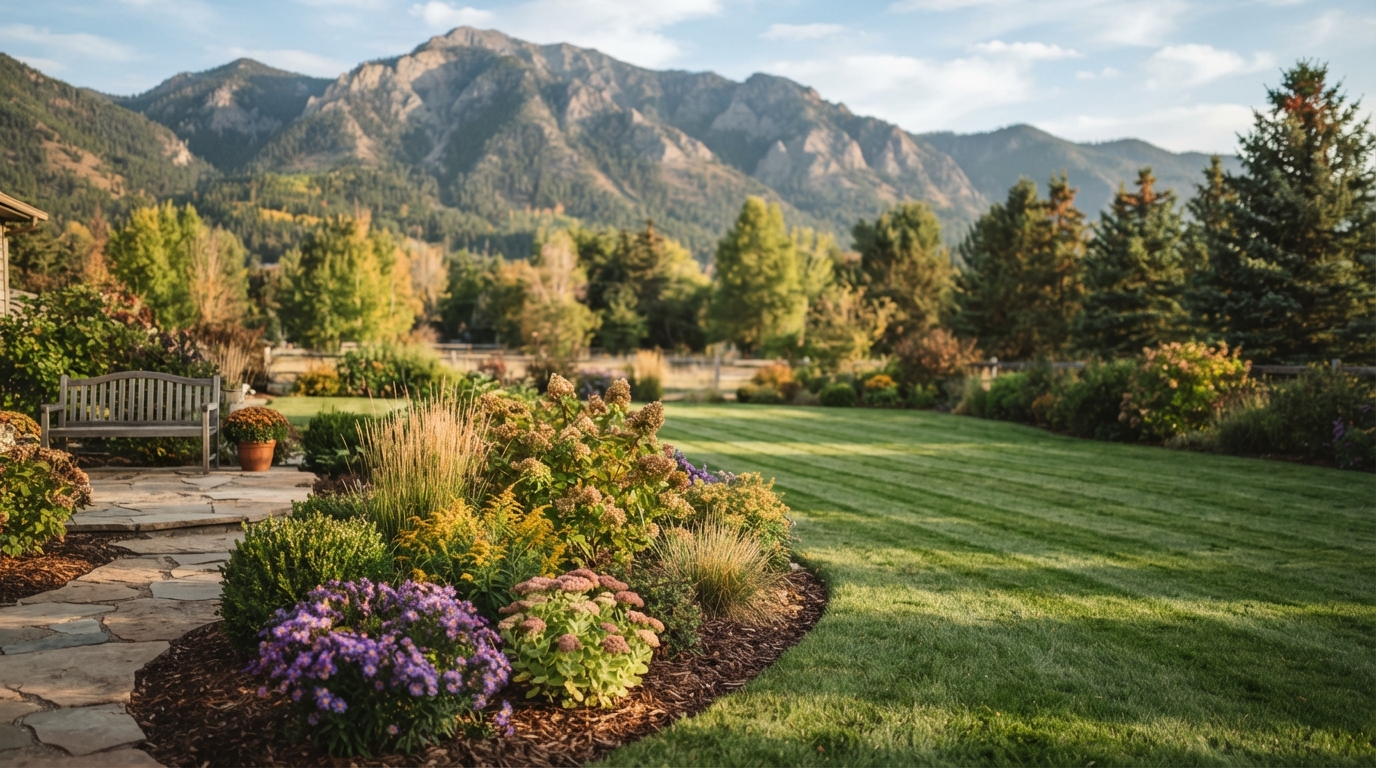
A well-maintained landscape stays attractive through every season by combining consistent watering, seasonal cleanup, and soil care rather than relying on a single annual fix. Property owners who follow a maintenance calendar tend to avoid the costly repairs that come from neglected irrigation systems, compacted soil, or untreated pest damage. In Helena, MT, where winters are long and the growing season is comparatively brief, timing each task to the local climate matters as much as the task itself.
Building a Seasonal Maintenance Routine
Outdoor spaces change needs throughout the year, and a maintenance plan built around four seasons tends to prevent the small problems that turn into larger repairs.
Spring
- Clear debris, leaves, and winter mulch buildup from beds and lawns.
- Test irrigation systems for leaks or broken sprinkler heads before the dry season begins.
- Apply pre-emergent treatments to limit weed growth.
Summer
- Monitor soil moisture and adjust watering schedules as temperatures rise.
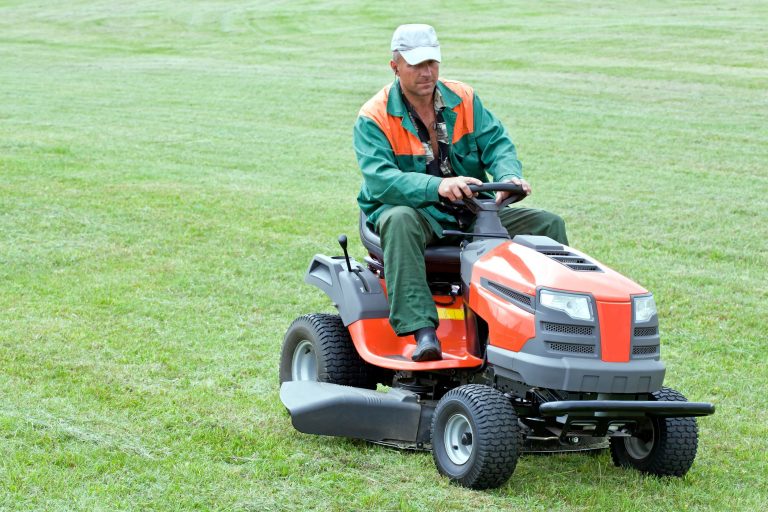
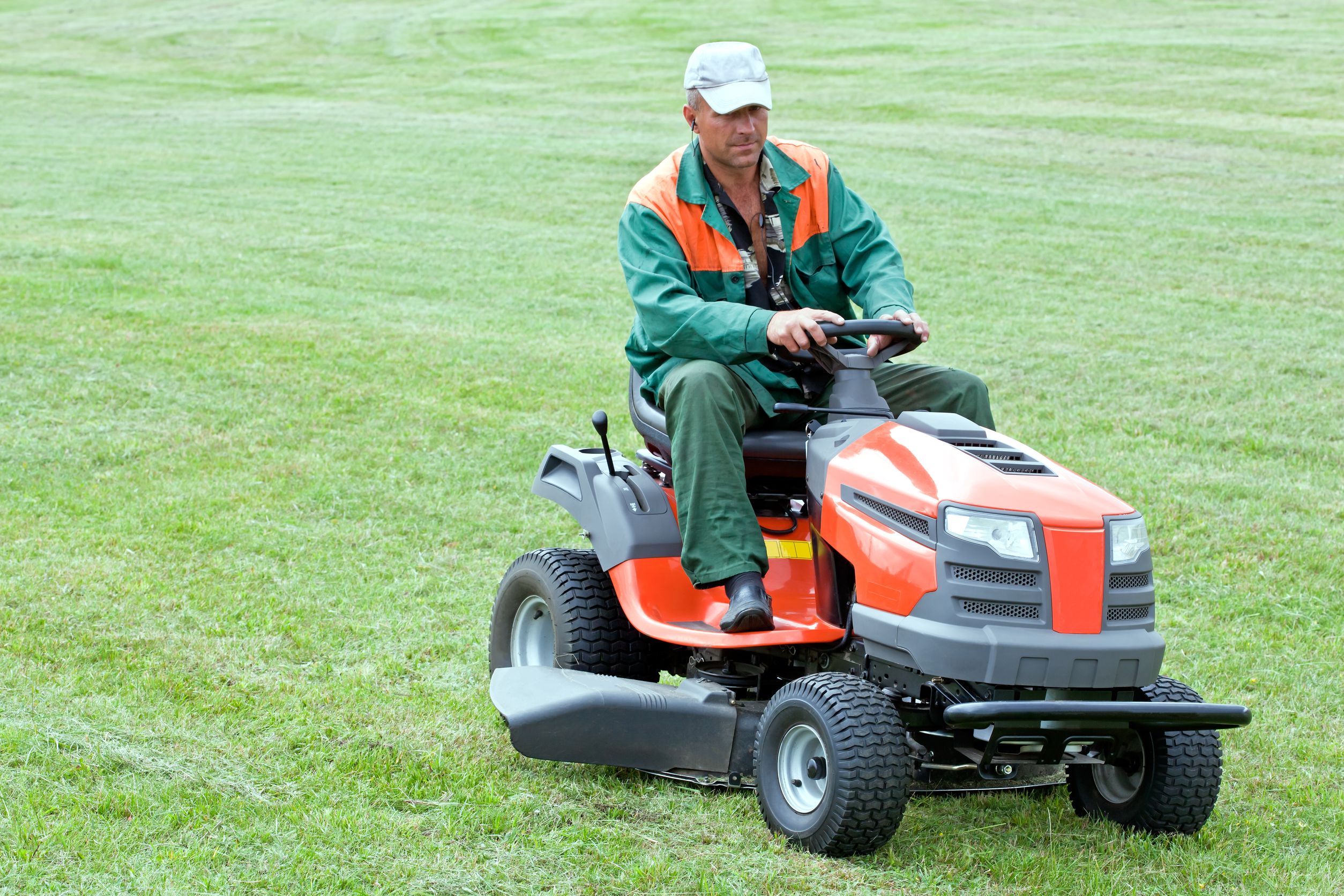
- Mow at a height that supports deeper root growth rather than cutting grass too short.
- Prune spent flowers and trim shrubs to encourage continued blooming.
Fall
- Aerate compacted soil to improve water and nutrient absorption before winter.
- Rake and remove fallen leaves to prevent fungal issues.
- Plant cold-hardy perennials or bulbs while soil is still workable.
Winter
- Protect young trees and shrubs from frost damage with wrapping or mulch.
- Limit foot traffic on dormant lawns to prevent soil compaction.
- Inspect hardscape features such as retaining walls for ice-related stress.
Water Management and Soil Health
Overwatering is one of the most common landscape mistakes, and it can damage plants as severely as drought stress while also straining municipal water systems. According to EPA WaterSense guidance, dividing irrigation runtimes into shorter intervals with breaks in between allows water to soak into soil more effectively and reduces waste. Watering during cooler parts of the day, typically early morning, also reduces evaporation loss.
Soil testing every few years helps determine whether amendments are needed for pH balance or nutrient content. Compacted soil restricts root growth and water penetration, which is why aeration during the fall season supports healthier turf heading into winter dormancy. Raising mower blade height during summer growth periods allows grass to develop deeper roots, which in turn improves drought tolerance.
Choosing Between DIY and Professional Maintenance
| Factor | DIY Maintenance | Professional Service |
| Time commitment | High, ongoing weekly tasks | Scheduled visits, less owner time |
| Equipment needed | Mower, trimmer, aerator | Provided by service |
| Seasonal timing knowledge | Owner-dependent | Trained to local climate patterns |
| Best for | Small yards, hands-on owners | Larger properties, hardscapes, irrigation systems |
Homeowners with smaller properties and simple lawns often manage basic mowing and weeding independently. Properties with retaining walls, sprinkler systems, or hydroseeded lawns typically benefit from professional oversight, since these features require specific knowledge of installation and seasonal care to avoid premature wear.
Frequently Asked Questions
How often should a lawn be aerated in a climate like Helena, MT? Most lawns benefit from aeration once a year, typically in fall, to relieve soil compaction before winter dormancy sets in.
What is the most common mistake in year-round landscape upkeep? Overwatering during summer months is a frequent issue, often caused by irrigation schedules that are not adjusted as temperatures and rainfall change.
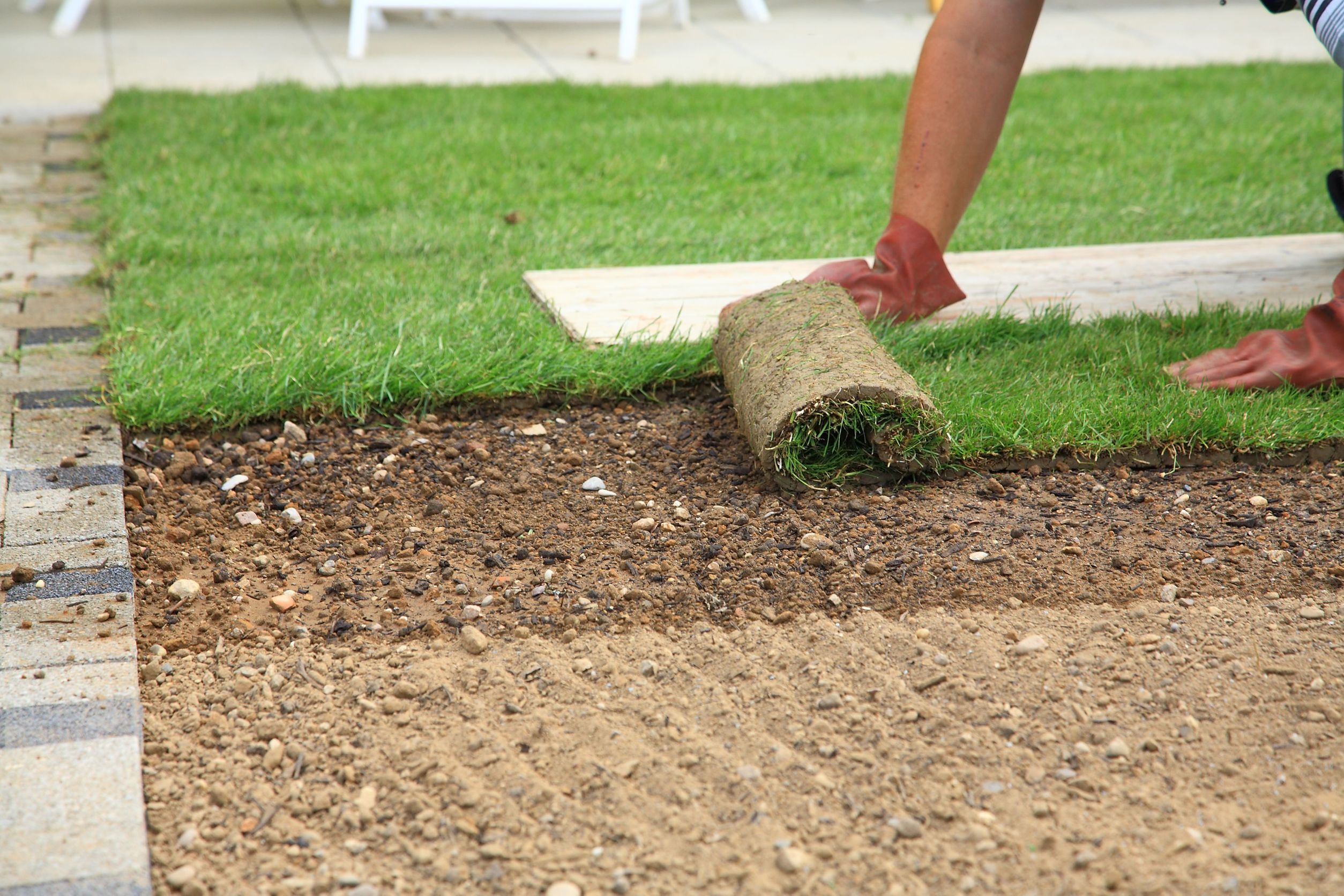
Does hydroseeding require different maintenance than sod? Hydroseeded lawns need consistent moisture during initial germination but generally follow the same long-term mowing and watering practices as sod once established.
When is the best time to prune shrubs and trees? Late winter or early spring, before new growth begins, is generally the preferred window for most pruning tasks in colder climates.
Business Info
Services related to landscape design, hydroseeding, and outdoor maintenance in the Helena, MT area are listed through Great Northern Landscaping, which operates out of the surrounding region.
Published details for Great Northern Landscaping cover the local service area and available contact information.
Consistent seasonal care, from spring cleanup through winter plant protection, remains the most reliable way to keep outdoor spaces functional and visually consistent across changing weather conditions. Property owners who track irrigation performance and soil condition over time tend to catch problems early, reducing the likelihood of costly repairs later. A documented maintenance schedule, even a simple one, provides a useful reference point for comparing year-over-year changes in lawn and plant health.