Mid-back strain in rowers occurs when repetitive pulling places more demand on the thoracic muscles and supporting tissues than they can comfortably manage. Poor technique, fatigue, restricted mobility, or a rapid increase in training can contribute to pain between the shoulder blades or along either side of the spine.
Rowers in Parker, CO, should pay attention to discomfort that continues after training, changes their technique, or returns with every stroke. Early evaluation can help identify contributing movement patterns and guide an appropriate recovery plan.
Why Does Rowing Place Stress on the Thoracic Spine?
The thoracic spine is the middle portion of the spine, extending from the base of the neck to the lower edge of the rib cage. It supports the ribs and allows controlled rotation, flexion, and extension during movement.
A rowing stroke requires the legs, hips, trunk, shoulders, and arms to work in sequence. As the rower drives backward, the torso moves from a forward position toward upright while the arms pull the handle toward the body. The mid-back muscles help stabilize the spine and control the shoulder blades throughout this process.
One stroke may not place excessive demand on these tissues. However, repeating the movement hundreds or thousands of times can create cumulative fatigue. If technique changes as the muscles tire, the thoracic spine may absorb more stress.
What Causes Mid-Back Strain in Rowers?
Mid-back strain usually develops through a combination of training and movement factors. Common contributors include:
-
Increasing rowing distance or intensity too quickly
-
Training without enough recovery time
-
Pulling with the arms before completing the leg drive
-
Rounding the upper or lower back at the catch
-
Leaning too far backward at the finish
-
Limited mobility through the hips or thoracic spine
-
Weakness or poor endurance in the trunk muscles
-
Resistance settings that are too high
-
Continuing to row after technique begins to deteriorate
Indoor rowing can also contribute to strain when the machine is not adjusted properly. Foot placement, resistance, and handle position may influence how force travels through the body.
What Does a Rowing-Related Mid-Back Strain Feel Like?
Symptoms may develop during a session, immediately afterward, or later in the day. A rower may notice:
-
Aching between the shoulder blades
-
Tightness along one side of the thoracic spine
-
Discomfort when pulling the handle
-
Pain when rotating or extending the trunk
-
Tenderness in the surrounding muscles
-
Stiffness after sitting or resting
-
Pain with deep breathing if the rib muscles are involved
-
Reduced power or control during the stroke
Muscle soreness after an unfamiliar workout often improves within a few days. Pain that is sharp, worsening, or consistently triggered by rowing may require evaluation.
How Can Rowing Technique Increase Back Strain?
Efficient rowing distributes work throughout the body. When the sequence breaks down, smaller muscles may compensate for larger muscle groups.
Beginning the pull with the arms too early can shift workload away from the legs and onto the shoulders and mid-back. Excessive spinal rounding at the catch may increase stress on the muscles that must control the return to an upright position. Leaning too far back at the finish can also place unnecessary strain on the spine.
Fatigue makes these errors more likely. A rower may begin with controlled form but gradually shorten the leg drive, round the back, or pull unevenly. Video analysis or feedback from a qualified coach may help identify technique changes that are difficult to feel during training.
When Should a Rower Stop Training?
A rower should pause or modify training when pain changes the stroke, increases with each repetition, or remains after the session. Continuing to practice altered mechanics can place additional stress on the thoracic spine and nearby joints.
Immediate medical attention may be appropriate when mid-back pain occurs with:
-
Significant difficulty breathing
-
Chest pain, dizziness, or fainting
-
Numbness, tingling, or weakness
-
Pain after a major collision or fall
-
Severe pain that does not change with position
-
Loss of coordination
-
Fever or unexplained illness
These symptoms should not be assumed to represent a routine muscle strain.
How Does a Chiropractor Evaluate Mid-Back Pain?
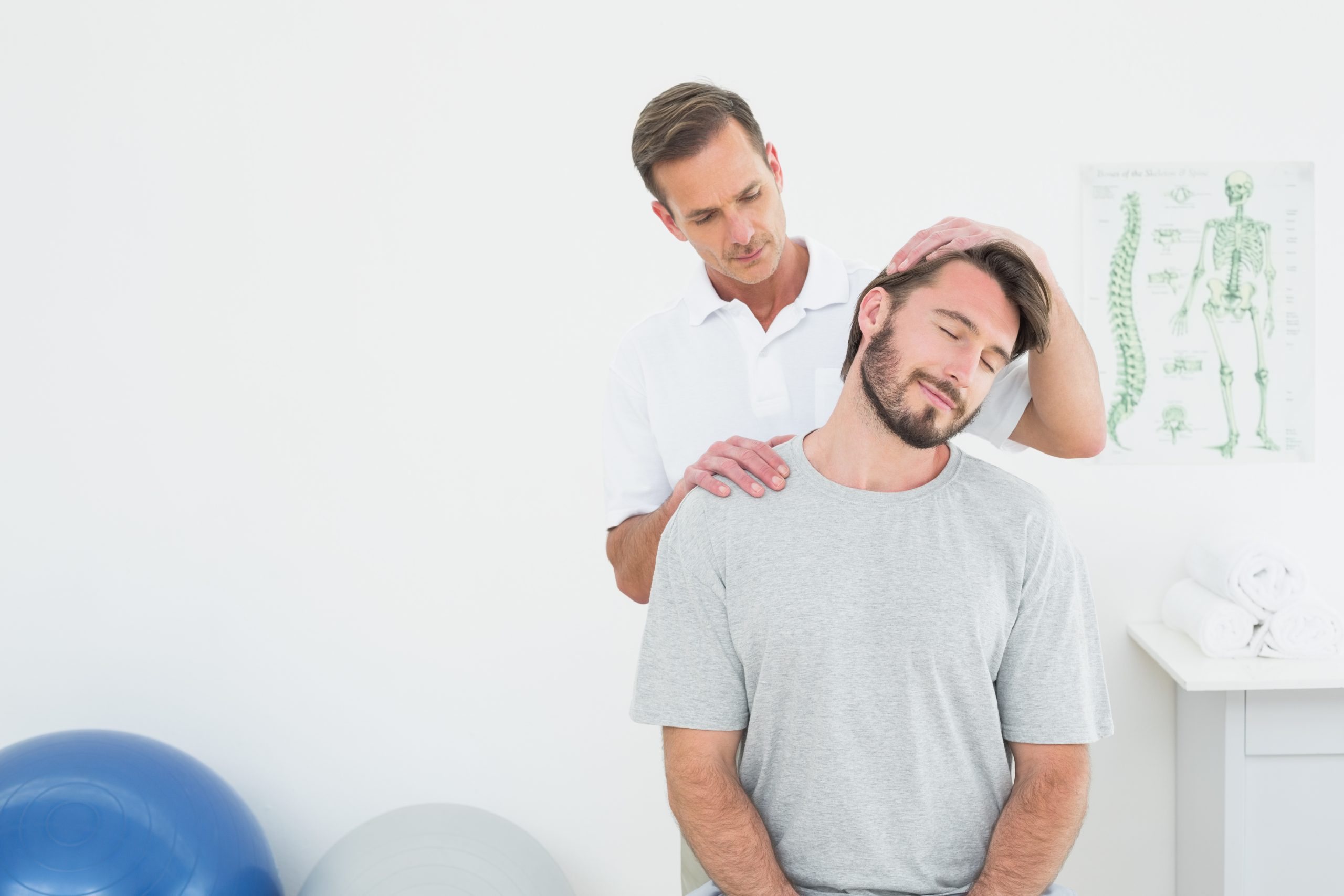
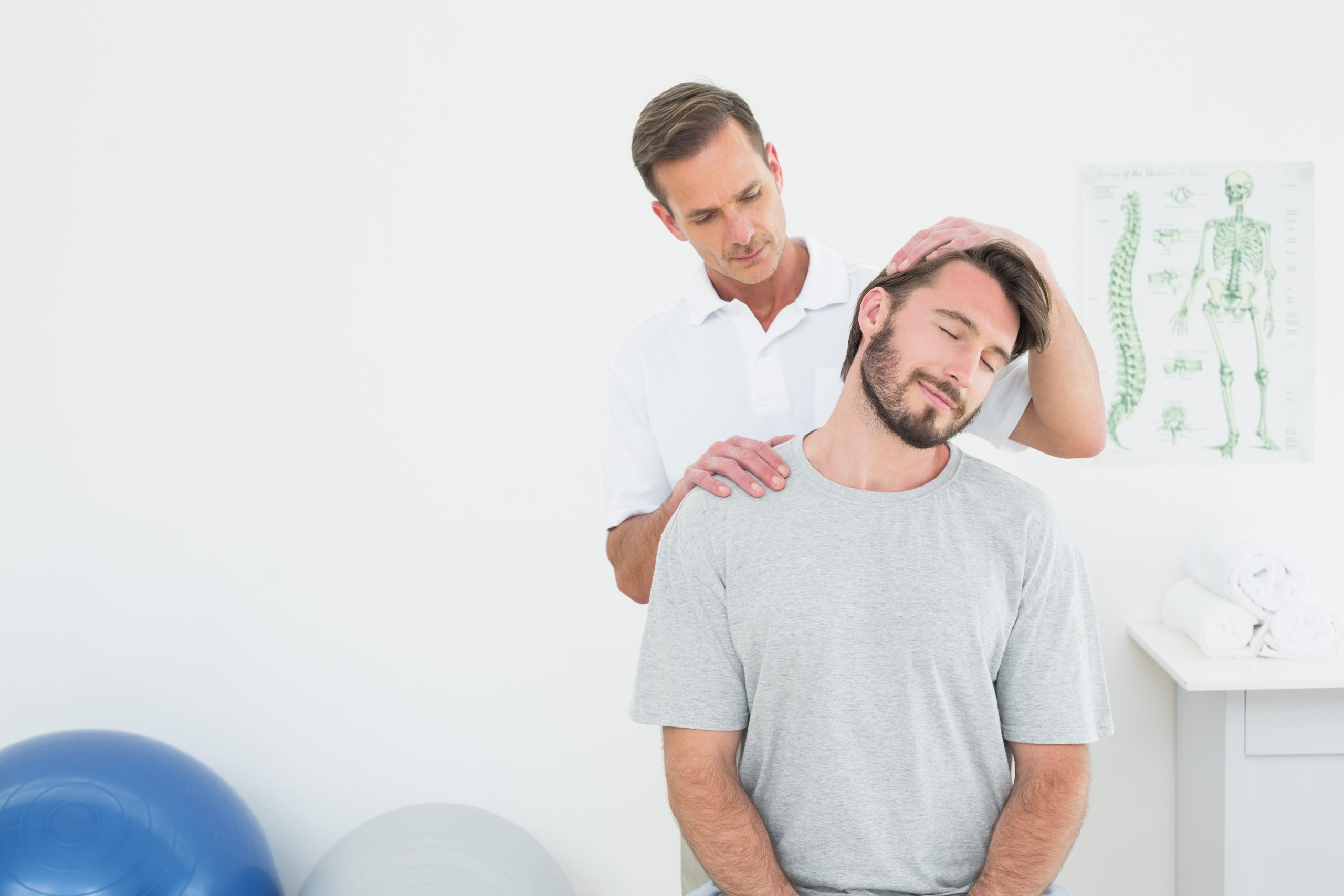
A chiropractor may ask when the symptoms began, which phase of the stroke causes pain, and whether rest changes the discomfort. The examination may assess posture, thoracic movement, rib motion, shoulder mobility, muscle tension, strength, and neurological function.
For athletes, the evaluation may also consider training volume, recovery habits, prior injuries, and movement through the hips and lower back. A sports chiropractor can assess how these areas work together rather than examining the painful location alone.
If the findings suggest that another condition may be involved, the rower may be referred for medical evaluation or imaging.
Can Chiropractic Care Support Recovery?
Chiropractic care may help address restricted joint movement, muscular tension, or movement limitations contributing to discomfort. Depending on the examination findings, chiropractic therapy may include manual care, mobility guidance, activity modification, and recommendations for a gradual return to rowing.
A chiropractic adjustment may be considered when restricted motion is found in the thoracic spine or related joints. The technique should reflect the individual’s symptoms, health history, and tolerance.
Recovery may also involve temporarily reducing resistance or rowing volume. Athletes can use this period to review stroke mechanics and improve mobility or trunk endurance without repeatedly aggravating the painful area.
How Can Rowers Reduce Recurrent Thoracic Strain?
A gradual approach to training can help the body adapt to repeated pulling. Rowers should increase workload in manageable amounts, include recovery days, and stop a session when fatigue causes noticeable changes in technique.
Warming up the hips, shoulders, and thoracic spine may also prepare the body for rowing. Resistance should allow controlled movement rather than forcing the athlete to pull with excessive effort. Strengthening the trunk and upper back can support consistent mechanics during longer sessions.
When Is It Appropriate to Return to Rowing?
A return to rowing should be gradual. The athlete should be able to rotate, bend, breathe deeply, and complete normal daily activities without increasing symptoms.
Short, low-resistance sessions can help determine how the back responds. Distance and intensity may then be increased if symptoms do not return during or after training.
If mid-back pain continues to interfere with rowing, schedule an evaluation with a qualified healthcare provider in Parker, CO. Identifying the movements and training factors associated with the strain can support a safer return to the water or rowing machine.