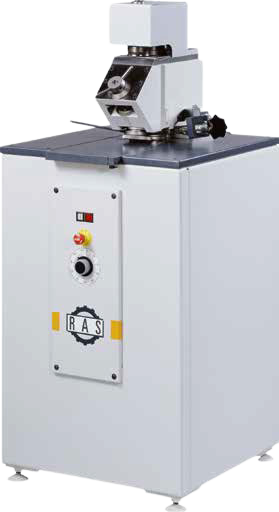
Metal fabrication is a demanding field where precision, efficiency, and consistency are critical to success. Traditional bending and folding methods often present challenges such as inconsistent angles, material waste, and slow production cycles. For professionals seeking advanced solutions, a CNC folding machine offers a transformative approach to overcoming these common obstacles and optimizing the fabrication process.
Enhanced Precision and Repeatability
One of the most significant challenges in metal fabrication is maintaining precise angles and dimensions across multiple parts. Manual folding processes can lead to variations that impact the final product’s fit and function. A CNC folding machine addresses this by using computer numerical control to automate the folding process. By programming exact angles and measurements, fabricators can achieve consistent results, even for complex geometries or high-volume runs. This level of precision not only improves the quality of the finished product but also reduces the need for costly rework.
Improved Efficiency and Workflow
Time is a valuable commodity in any fabrication shop. Traditional methods often require multiple setups and manual adjustments, slowing down production and increasing labor costs. With a CNC folding machine, operators can store multiple programs and switch between jobs rapidly. This capability streamlines the workflow, allowing shops to handle diverse projects with minimal downtime. Some additional efficiency benefits include:
• Faster setup times: Automated positioning and tool changes reduce manual intervention.
• Reduced material handling: The machine can be programmed to fold multiple bends in sequence, minimizing material movement.
• Consistent cycle times: Automation ensures each part is produced at the same speed, aiding in production planning and scheduling.
Minimizing Material Waste
Material waste is a concern for both environmental and economic reasons. Inaccurate folds or errors during manual operations can result in scrapped parts and increased costs. CNC folding machines mitigate this risk by delivering reliable accuracy on every cycle. The ability to simulate folds digitally before production further helps identify potential issues, ensuring that the first part is correct and minimizing trial-and-error adjustments.
Flexibility for Complex Designs
Modern metal fabrication often requires the ability to produce a wide variety of shapes and profiles. Manual folding techniques can struggle with tight radii, intricate patterns, or large panels. CNC folding machines excel in these scenarios, offering:
• Programmable flexibility: Easily adapt to different materials, thicknesses, and bend sequences.
• Capability for intricate parts: Produce complex geometries that would be difficult or impossible with manual methods.
• Handling large or heavy panels: Robust design and automated backgauges make it easier to manage oversized workpieces.
CNC folding machines have become an essential tool for addressing the most common challenges in metal fabrication. By delivering high precision, improving workflow efficiency, reducing material waste, and offering flexibility for complex designs, these machines help fabricators meet the demands of modern manufacturing. For shops aiming to boost productivity and maintain a competitive edge, investing in advanced technologies is a practical step forward.
Ready to enhance your fabrication process? Learn more about the benefits of a CNC folding machine and consider how this technology can help your shop achieve greater accuracy and efficiency.