Summary first:
- Businesses in Helena typically need an armed security officer during high-cash operations, public events, or after a documented threat or incident.
- Licensed providers follow training standards covering firearms handling, use-of-force judgment, and de-escalation before deployment.
- Local options include discreet plainclothes and uniformed coverage depending on the risk level and visibility a business wants to project.
A business in Helena generally needs an armed security officer when the risk of violence, theft, or targeted threats outweighs what unarmed staff or cameras can manage on their own. This typically applies to cash-heavy retail, late-night operations, large public gatherings, or sites that have already experienced a security incident.
Deciding whether armed coverage is the right call starts with an honest look at your location’s risk profile. An Armed Security Officer in Helena, MT is typically brought in after a business owner, property manager, or event organizer identifies a gap that unarmed guards or passive security systems cannot close. This guide walks through the situations where that decision tends to make sense and how the process usually works.
Signs Your Business May Need Armed Coverage
Not every business needs an armed presence, but certain conditions raise the stakes enough to justify it. Review these common triggers before making a decision.
- Handling large amounts of cash on site, such as banks, pawn shops, or event box offices.
- Hosting public events where crowd size or alcohol service increases unpredictability.
- Operating during late-night or early-morning hours with limited staff.
- Experiencing a recent break-in, threat, or escalating customer conflict.
- Storing valuable inventory, firearms, or controlled substances that attract theft.
If two or more of these apply to your operation, a conversation with a licensed security provider is a reasonable next step. Smaller retail shops with daytime-only hours and low cash volume may find unarmed coverage sufficient instead.
How Armed Security Officers Are Trained and Deployed
Private armed security work is not improvised. Licensed officers follow structured training that covers firearms safety, legal use-of-force limits, and situational judgment before they are placed on assignment. According to the ASIS International private security officer guideline, armed officer training includes classroom instruction, range safety, and a demonstrated course of fire covering weapon retention and malfunction clearing. This structured approach is why reputable firms separate armed roles from general unarmed patrol duties.
A provider serving the Helena area typically evaluates the property or event first, then assigns an officer type that matches the actual threat level rather than defaulting to the most visible option.
Discreet vs. Uniformed Options
Businesses do not always want a visible armed presence. Some prefer officers who blend in with staff or attendees, while others want the deterrent effect of a uniform. Choosing between the two depends on the message a business wants to send to customers, employees, or event attendees.
| Coverage Type | Best For | Visibility Level |
| Discreet/plainclothes | Retail floors, offices, sensitive client meetings | Low |
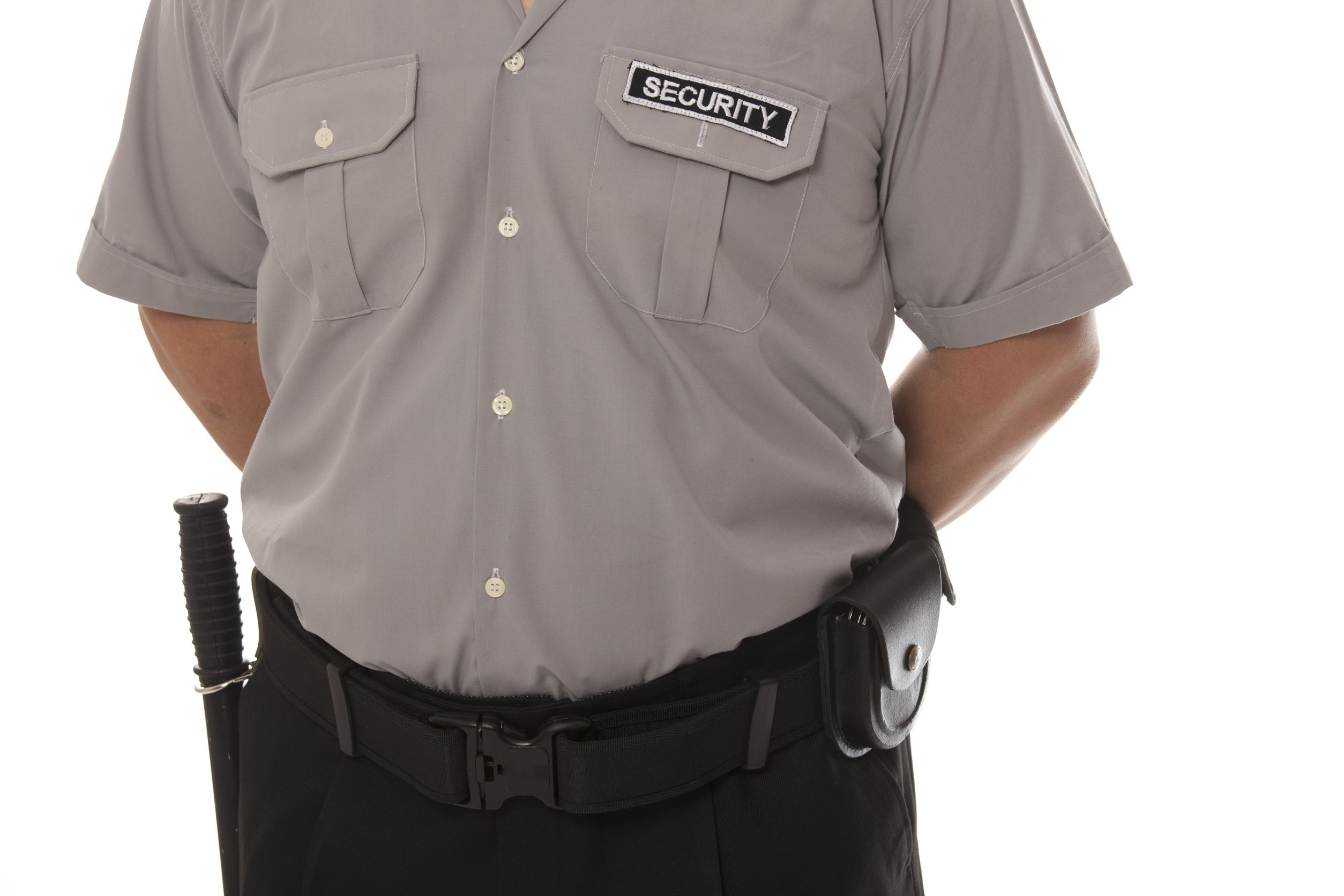
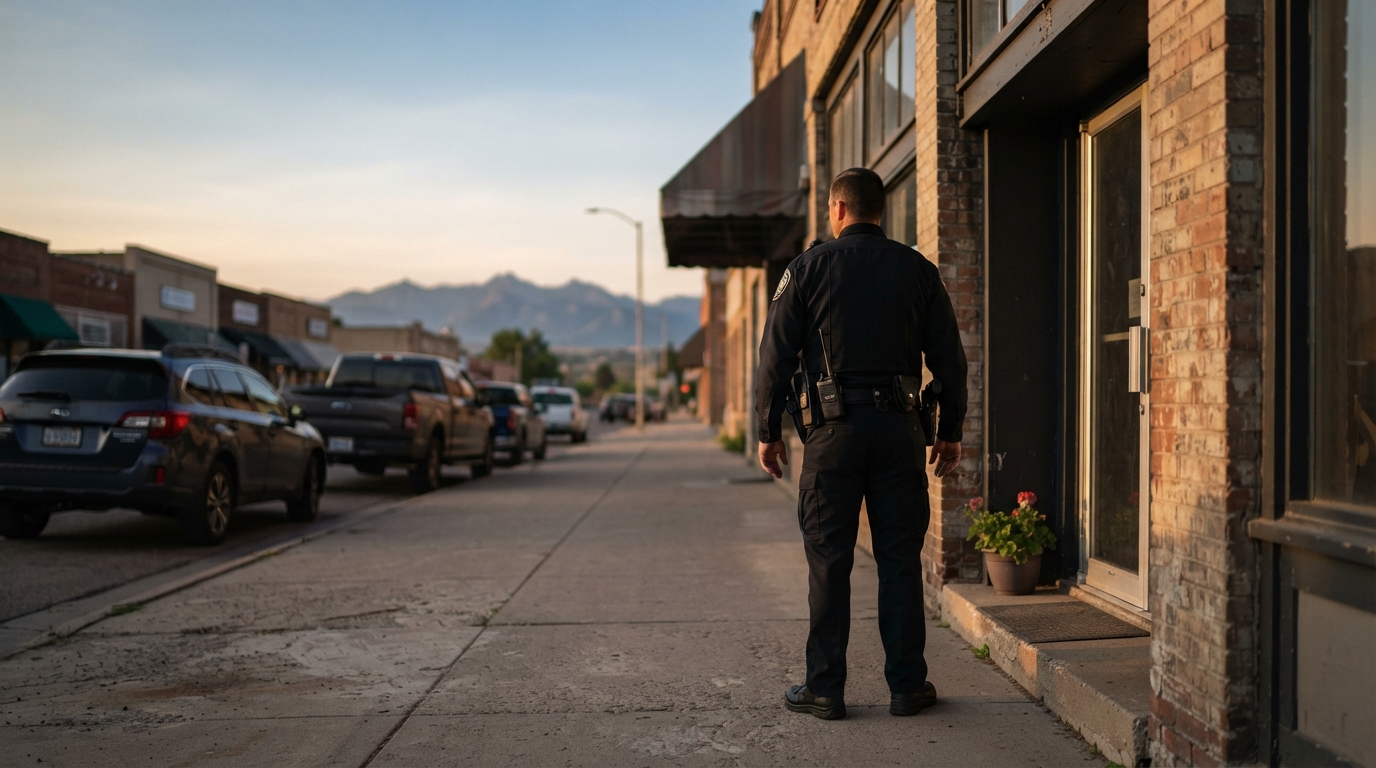
| Uniformed armed officer | Events, high-traffic entrances, high-risk sites | High |
| Threat/response consultation | Businesses unsure which option fits | Varies by plan |
Each option serves a different purpose, and many businesses combine them depending on the time of day or type of event taking place.
Planning a Security Assessment
Before placing an officer, most providers start with a threat and response consultation rather than jumping straight to staffing. This step identifies specific vulnerabilities, such as unmonitored entrances or predictable cash-handling patterns, so the security plan addresses real gaps instead of generic coverage.
- Walk the property to identify entry points, blind spots, and high-value areas.
- Review past incidents or complaints tied to the location.
- Match officer type (armed, unarmed, discreet, or uniformed) to the identified risk.
- Set clear protocols for communication with local law enforcement if an incident occurs.
A documented plan also gives business owners a reference point for training new staff on emergency procedures, which reduces confusion during an actual incident.
Frequently Asked Questions
Does every Helena business need armed security? No. Most small retail or office operations with standard hours and low cash volume are adequately served by unarmed security or basic access control. Armed coverage tends to apply to higher-risk conditions like cash handling, large events, or documented threats.
What is the difference between armed and unarmed security officers? Armed officers carry a firearm and complete additional training in weapon handling and use-of-force judgment, while unarmed officers focus on observation, access control, and reporting. The right choice depends on the specific risk level at a location.
Can a business request a discreet officer instead of a uniformed one? Yes. Many providers offer plainclothes officers who blend into the environment for businesses that want protection without a visible security presence.
How is the right type of coverage determined? A threat and response consultation typically precedes staffing decisions, evaluating the property, past incidents, and risk factors before recommending armed, unarmed, discreet, or uniformed coverage.
Immanuel Security, LLC provides discreet and uniformed armed security along with threat and response consultation for businesses and events in the Helena area. Business owners weighing their options can review service details and contact information through the Immanuel Security, LLC Google Business Profile before scheduling a consultation.