Takeaway:
• Filler dissolver treatments use hyaluronidase, an enzyme that breaks down hyaluronic acid filler when results look uneven, migrated, or overdone.
• Recovery is typically short, though swelling can continue to resolve for up to 48 hours after injection.
• A consultation with a trained injector helps determine dosage, number of sessions, and whether ultrasound guidance is appropriate.
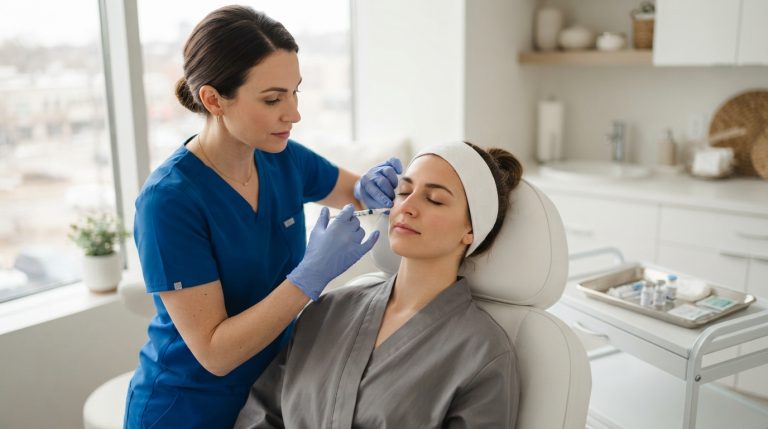
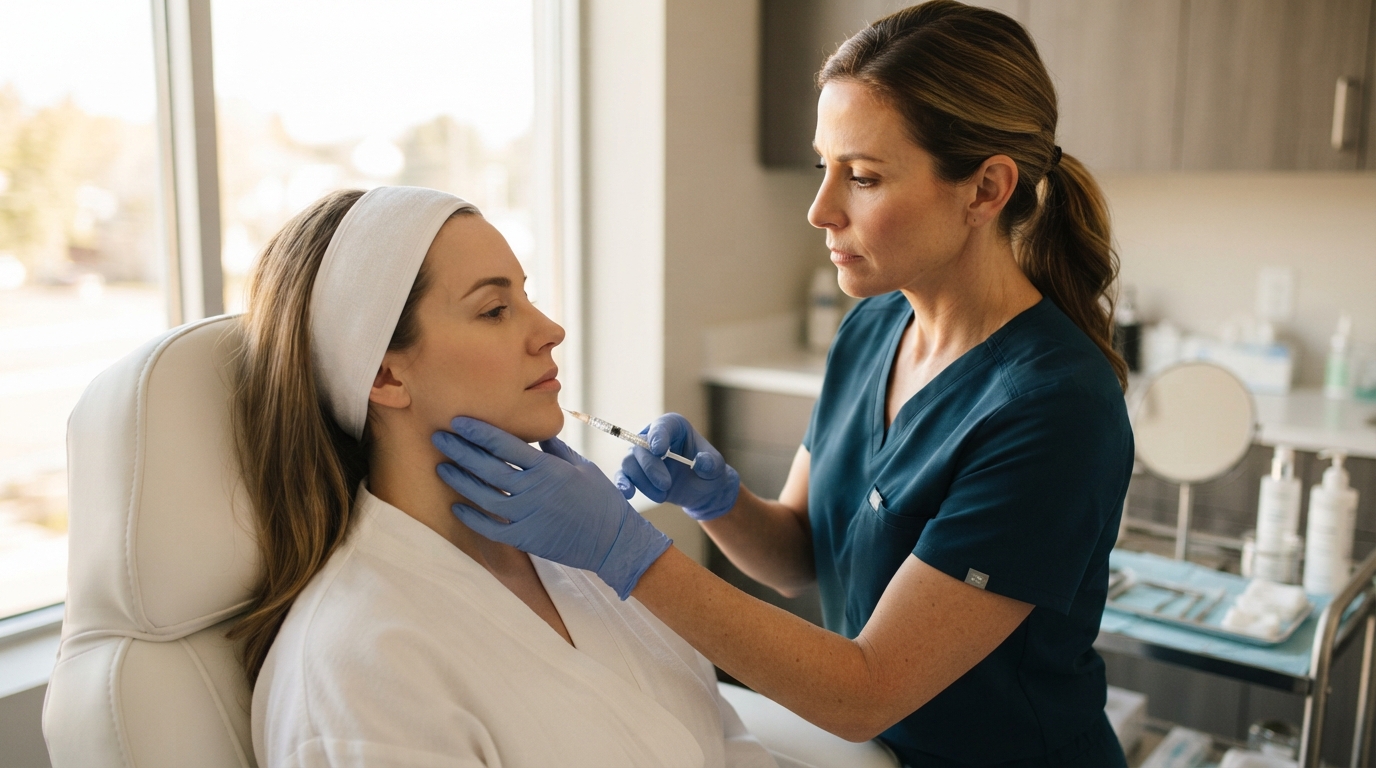
A filler dissolver treatment uses an enzyme called hyaluronidase to break down hyaluronic acid-based dermal filler that has migrated, overcorrected, or simply aged in a way the patient no longer likes. The process is injection-based, typically quick, and often produces visible softening within days rather than weeks.
Patients considering a Beauty Boost Med Spa filler dissolver treatment usually fall into one of a few categories: those unhappy with asymmetry, those dealing with filler that has shifted from its original placement, or those who simply want to reset before trying a different filler approach. Understanding how the enzyme works, what it can and cannot fix, and what the appointment involves can make the decision easier.
How Hyaluronidase Works on Filler
Hyaluronidase is an enzyme that targets hyaluronic acid specifically, which is why it only affects HA-based fillers and not other injectable materials. A 2025 review in the Journal of Cosmetic Dermatology found that hyaluronidase efficacy varies based on the type of HA filler and the enzyme’s concentration, with biphasic fillers dissolving more rapidly at lower concentrations compared to monophasic fillers, which required higher concentrations and longer exposure times. This means two patients with the same volume of filler might need different dosing strategies depending on which product was originally injected.
Clinical dosing also varies by treatment goal:
Concern |
Typical Approach |
|
Minor touch-up or Tyndall effect |
Low-dose injection, often under 75 units |
|
Standard overcorrection or misplacement |
Moderate dosing, commonly up to 150-300 units |
|
Dense, long-standing, or structural filler |
Higher dosing, sometimes 600-750 units per mL of filler |
These ranges are drawn from published clinical literature and vary by provider judgment; they are not fixed prescriptions for every patient. A 2025 PRS Global Open clinical review notes that a dose of 600 to 750 units of hyaluronidase per milliliter of filler is generally recommended for dissolution purposes, especially with highly cross-linked monophasic HA fillers.
What Happens During the Appointment
A dissolver appointment generally follows a predictable sequence:
1. The provider reviews prior filler history, including type and approximate volume injected.
2. The treatment area is cleansed and, in some cases, marked for precision.
3. Hyaluronidase is injected directly into or around the filler mass, since research indicates direct injection of hyaluronidase into the filler mass was more effective than surface application.
4. Some practices use ultrasound guidance to visualize filler placement before injecting, which can improve accuracy in complex cases.
On the website, the Reset Boost Dissolver service lists Hylenex as an injectable enzyme that reverses hyaluronic acid-based fillers, used to reset areas of poorly placed filler and filler migration. The same page notes that pricing depends on the area requiring dissolver and how many vials are used, and multiple treatments may be required depending on the amount and type of filler previously injected.
Recovery, Risks, and Realistic Expectations
Most patients tolerate the injection with minimal downtime, though mild swelling or tenderness is common immediately afterward. Results are not always instant.
• Enzymatic activity continues working for a period after injection, so final results are not always visible the same day.
• A 2025 review discussed in industry literature recommends waiting at least a few days to a week between sessions before adding more hyaluronidase, since excessive application can lead to over dissolution of the filler and potential complications.
• Hypersensitivity reactions to hyaluronidase are uncommon but possible, which is why providers typically review allergy history beforehand.
For patients in Orange County, CA, these timelines matter because many are weighing a dissolver appointment ahead of events, travel, or a scheduled follow-up filler treatment. Spacing sessions appropriately avoids both under-treatment and unnecessary repeat dosing.
Based in USA, Book with Beauty Boost Med Spa serves patients across Orange County, CA for aesthetic injectable treatments, including the Reset Boost Dissolver listed among its treatment menu.
Frequently Asked Questions
Does hyaluronidase dissolve all types of filler? No. It only breaks down hyaluronic acid-based fillers; it has no effect on non-HA products such as calcium hydroxylapatite or poly-L-lactic acid fillers.
How soon will results show after a dissolver session? Initial softening can appear within hours, but full results often continue developing for about 48 hours as the enzyme finishes breaking down the filler.
Can dissolver fix lumpy or asymmetrical filler? Targeted injections can often correct visible asymmetry or nodules caused by uneven filler placement, though the number of sessions needed depends on filler volume and type.
Is more than one session ever needed? Yes, particularly with dense or long-standing filler, where providers may space additional sessions one to two weeks apart to evaluate progress safely.
Scheduling Considerations
Appointment availability for filler dissolver treatment is published through Book with Beauty Boost Med Spa, which lists current service area details for reference.
The decision to dissolve filler is rarely urgent, but it is rarely something to delay indefinitely either, especially when migration or asymmetry is already visible. Reviewing enzyme dosing basics, recovery timing, and session spacing beforehand gives patients a clearer sense of what a realistic outcome looks like before stepping into the treatment chair.