Essentially:
- A professional exterior paint job follows a set sequence: inspection, surface prep, priming, and multiple coats of weather-rated paint.
- San Francisco’s fog, salt air, and older housing stock mean prep work often takes longer than the painting itself.
- Expect a walkthrough, written scope, and a realistic timeline before any brushes come out.
Homeowners searching for guidance on exterior painting typically want to know what the process involves, how long it takes, and what separates a lasting finish from one that peels within a year. The short answer: proper prep, moisture control, and coatings suited to coastal climate conditions matter more than the paint brand itself.
Many residential properties in the city are decades old, with layered paint histories and wood siding that reacts to humidity differently than newer construction. A contractor offering Exterior Painting in San Francisco County, CA will usually start with an on-site evaluation to check for peeling, rot, or previous lead-based paint before any color goes on the wall. That initial assessment shapes the entire scope of work and budget.
How the Project Typically Unfolds
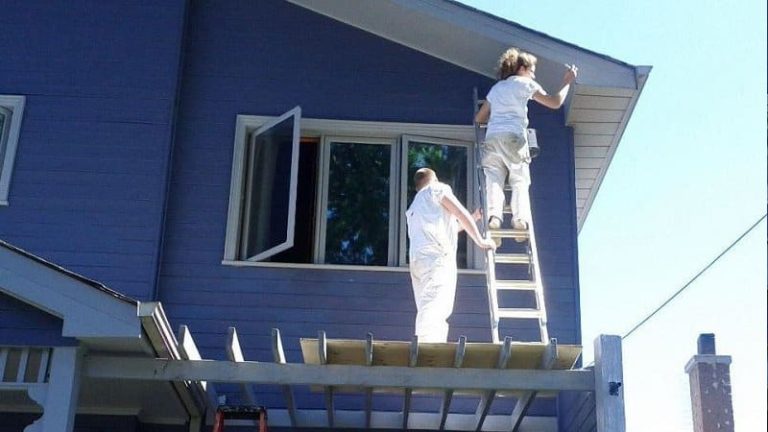
A well-run exterior job follows a consistent sequence, regardless of house size or style.
- Site walkthrough and written estimate – the painter inspects siding, trim, and problem areas, then documents the scope.
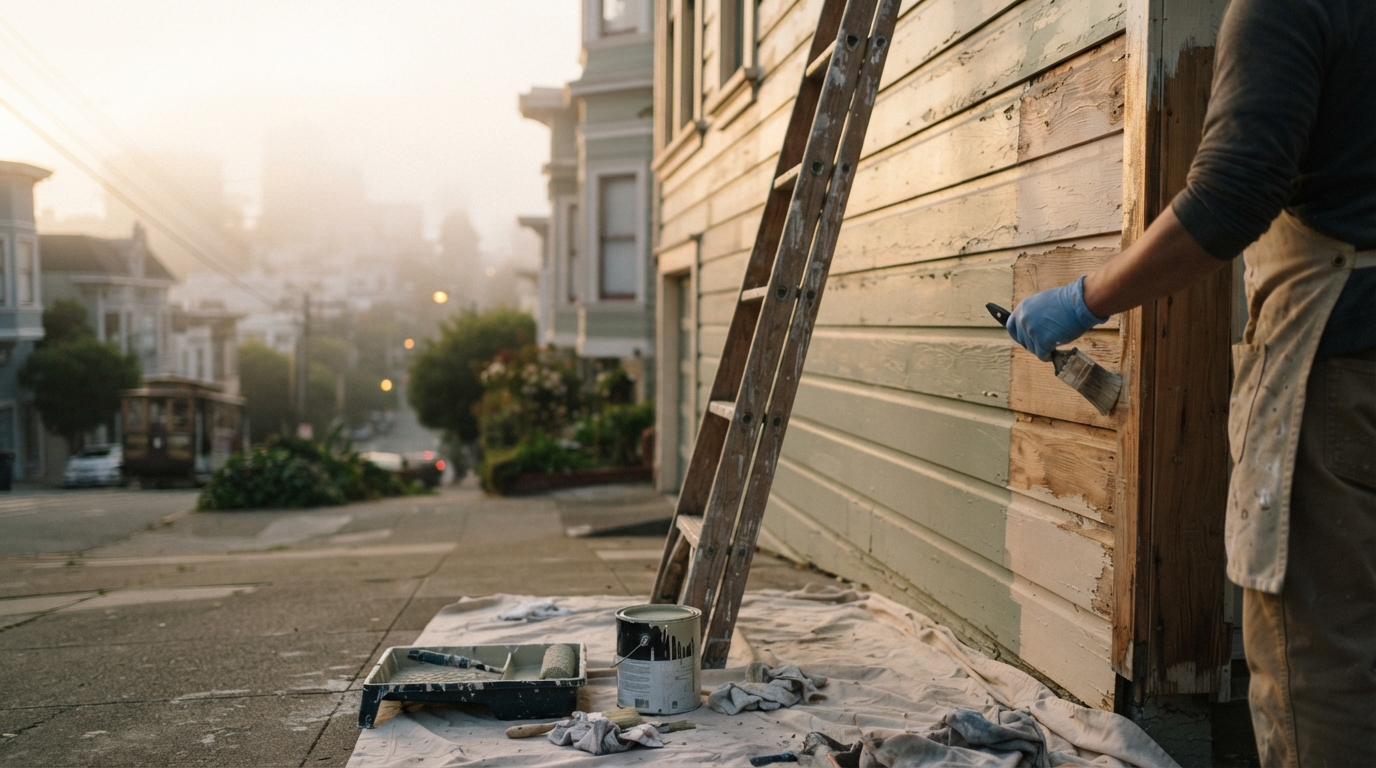
- Surface preparation – scraping, sanding, patching, and pressure washing to remove loose paint and debris.
- Priming – bare wood, patched areas, or stucco repairs get a primer coat suited to the substrate.
- Painting – typically two finish coats applied by brush, roller, or sprayer depending on surface texture.
- Final walkthrough – checking lines, coverage, and touch-ups before the crew leaves the site.
Skipping steps, especially prep, is the most common reason exterior paint fails early.
Why Climate and Housing Age Change the Approach
San Francisco’s marine layer and salt-laden air accelerate moisture-related paint failure compared to drier inland regions. The Environmental Protection Agency’s lead paint renovation rules require certified work practices on homes built before 1978, which covers a large share of the county’s housing stock. That means a contractor may need to follow specific containment and cleanup procedures when sanding or scraping older painted surfaces.
Fog and coastal humidity also affect cure times. Paint applied too early in the morning or during damp conditions may not bond properly, which is why experienced crews track weather windows closely rather than painting on a fixed calendar date.
Choosing Materials and Finishes
Not all exterior paints perform the same way in a coastal microclimate. The table below outlines common finish options and where they tend to work best.
| Finish Type | Best Suited For | Durability Notes |
| Flat/Matte | Stucco, masonry | Hides surface flaws, lower sheen |
| Satin | Wood siding, trim | Balances durability and washability |
| Semi-gloss | Doors, shutters, railings | Higher moisture resistance |
| Elastomeric coating | Cracked stucco, older facades | Flexes with minor substrate movement |
Color selection also plays a practical role. Darker shades absorb more heat and can expand and contract faster on wood siding, while lighter and mid-tone colors generally hold up longer in fog-heavy neighborhoods.
What a Fair Scope of Work Should Include
Before work begins, a written scope should spell out exactly what is covered.
- Square footage and surfaces included (siding, trim, doors, gutters)
- Number of coats and specific primer/paint products
- Prep steps such as scraping, caulking, or minor wood repair
- Cleanup and protection of landscaping, walkways, and windows
- Estimated timeline, including weather contingencies
Clear documentation reduces disputes later and gives homeowners a baseline to compare quotes.
Frequently Asked Questions
How long does an average exterior repaint take? Timelines vary with house size and prep needs, but most single-family homes take several days to about two weeks from start to final coat.
Does rain or fog delay the work? Yes. Painting during high humidity or active rain can prevent proper adhesion, so schedules often build in flexible days.
Is pressure washing always necessary? Most exteriors benefit from washing to remove dirt, mildew, and loose paint before priming, though the method depends on siding material.
Can old paint layers affect the new finish? Yes, especially on pre-1978 homes where lead paint rules may apply and surface prep needs extra care.
Next Steps for Planning Your Project
Zidan Construction & Painting, Inc. is a construction and painting contractor serving residential and commercial clients, with services spanning exterior and interior painting, repairs, and related building improvements. Homeowners weighing an exterior repaint can benefit from an on-site evaluation that accounts for the property’s age, siding material, and sun or fog exposure before committing to a scope or timeline. For details on service offerings and to review project information, Zidan Construction & Painting, Inc. maintains a Google Business Profile with current contact details, and visitors can Visit Website to learn more before scheduling a consultation.