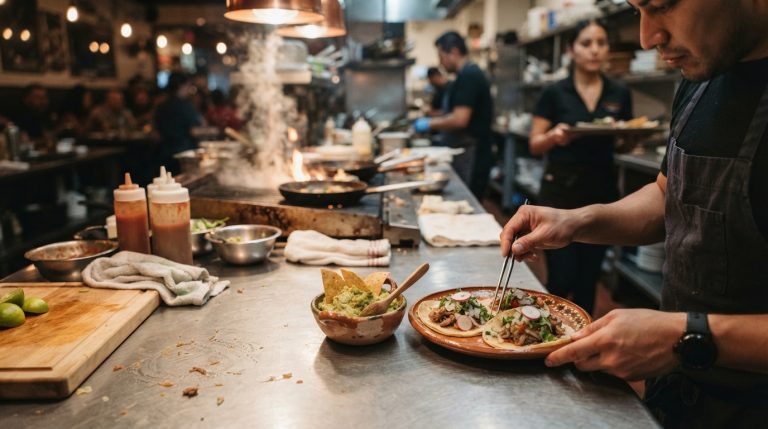
A good restaurant for a casual business lunch should make it easy to eat, talk, and stay on schedule without making the meeting feel overly formal. Location, menu variety, atmosphere, timing, seating, and the size of the group all matter when choosing where colleagues, clients, or business contacts should meet.
A business lunch can serve many purposes. Two coworkers might use it to discuss a project away from the office. A small-business owner may meet a client for an informal conversation. A team might gather after a morning meeting, or professionals from different companies may simply want time to get acquainted.
Whatever the reason, choosing among lunch restaurants involves more than finding appealing food. The setting needs to work for the conversation as well as the meal.
Start With the Purpose of the Lunch
Before comparing restaurants, identify what the meal is supposed to accomplish.
An informal lunch between two coworkers has different requirements from a gathering involving eight colleagues. A first meeting with a potential business contact may call for a different setting than a relaxed meal among people who already work together every day.
Ask a few basic questions:
- How many people are attending?
- Is the conversation mostly social or work-related?
- Does anyone need to return to work at a specific time?
- Will the group need to discuss documents or take notes?
- Are attendees coming from different parts of the area?
Answering these questions can make the restaurant decision much easier.
If the purpose is primarily relationship-building, the group may value a relaxed environment and enough time to talk. If the lunch is occurring between appointments, convenient location and predictable timing may matter more.
How Important Is Location for a Business Lunch?
Location can determine whether the meal feels convenient or disruptive.
When several people are meeting from different offices, homes, or appointments, making one person travel significantly farther than everyone else can complicate the plan. A reasonably convenient meeting point helps reduce the amount of time spent commuting and makes punctual arrival more likely.
People planning dining in Peoria may also want to consider where everyone needs to go after lunch. A restaurant near the next appointment, office, recreational activity, or major part of the day’s schedule can make the meeting easier to coordinate.
Parking and familiarity with the area may matter as well. Even an appealing restaurant can be inconvenient if attendees have difficulty finding the location or if the travel time makes a one-hour lunch unrealistic.
A business meal should fit naturally into the workday rather than consume most of it.
Does the Restaurant’s Atmosphere Matter?
Yes, although the ideal atmosphere depends on what the group needs to discuss.
Casual business lunches often work best in a comfortable environment where conversation feels natural. The setting should allow participants to focus on one another without making the meal feel like a formal board meeting.
Noise level can be particularly important. A lively restaurant may work perfectly for a team celebration but be less useful if two people need to discuss a detailed proposal.
At the same time, complete silence is not necessarily desirable. A normal restaurant atmosphere can make a business conversation feel less rigid and provide a comfortable setting for getting to know clients or colleagues.
When comparing local restaurants, consider whether the environment fits the purpose of the meeting rather than assuming one type of atmosphere works for every business lunch.
Menu Variety Can Make Group Planning Easier
A business lunch often brings together people with different appetites and preferences.
One person may want a sandwich, another may prefer a salad, while someone else wants a more substantial meal. A group may also contain attendees who ate breakfast late or have dinner planned soon after work.
A menu with different types of choices can make the planning process easier because attendees do not need to agree on one style of meal before arriving.
This becomes especially useful as the group gets larger.
When evaluating lunch restaurants, organizers can look beyond a single signature item and consider whether the overall menu gives the group practical choices. The Links Neighborhood Grill, for example, serves lunch as part of its broader breakfast, lunch, and dinner restaurant operation in Peoria.
The goal is not to find a menu with every possible dish. It is to select a setting where different members of the group can reasonably find a meal that works for them.
How Much Time Should You Allow?
A casual business lunch should have enough time for both eating and conversation.
If the group has only 30 minutes, expecting a detailed business discussion may be unrealistic. On the other hand, blocking out two hours for a routine coworker lunch may be unnecessary.
The right amount of time depends on the purpose.
A Short Working Lunch
For a straightforward discussion between coworkers, the meeting may only need enough time to order, eat, and cover a few agenda items.
Keeping the conversation focused can help everyone return to their afternoon responsibilities on time.
A Client or Relationship-Building Lunch
When the primary purpose is developing a business relationship, a more flexible schedule may be helpful.
Trying to rush through the meal can make the interaction feel transactional. Leaving some room for conversation before and after eating allows the meeting to develop naturally.
A Small Team Gathering
A team lunch may involve several conversations happening at once. Larger groups also tend to need additional time for ordering, eating, and wrapping up.
When scheduling the meeting, consider the number of attendees rather than applying the same lunch window to every group.
What Should Larger Business Groups Consider?
A lunch involving six or more people requires more coordination than a table for two.
The organizer should confirm the expected number of attendees before choosing a location. They should also check whether the restaurant accepts reservations and whether any policies apply to larger groups.
Restaurants vary considerably in how they handle group dining.
A group dining restaurant may offer reservations for certain party sizes, while another location may operate primarily on a first-come basis. Understanding those details ahead of time can prevent a group from arriving together only to discover that seating will be difficult.
It also helps to avoid inviting substantially more people at the last minute without checking whether the restaurant can accommodate the change.
For larger business lunches, one person should generally take responsibility for communicating the final headcount and meeting time.
Should Everyone Arrive at the Same Time?
Ideally, attendees should aim for the same general arrival time, but small differences are normal.
Someone may come directly from another meeting, encounter traffic, or need a few extra minutes to leave the office.
The organizer can reduce confusion by making the meeting time specific. “Lunch around noon” is less helpful than “Let’s meet at the restaurant at noon.”
If someone knows they will be late, a quick message helps the rest of the group decide whether to wait or begin ordering.
For a casual business meal, there is rarely a need to make minor delays into a major issue. Clear communication keeps the meeting moving.
What About Outdoor Seating?
Outdoor seating can work well for some business lunches when weather and individual preferences cooperate.
A patio may create a more relaxed environment, particularly when the purpose of the meal is networking or relationship-building rather than reviewing detailed materials.
However, outdoor dining is not automatically the right choice for every meeting.
Consider whether attendees need to use laptops, review papers, hear one another clearly, or remain comfortable during the weather conditions expected that day.
Arizona temperatures also make timing particularly relevant. What feels pleasant during one part of the year or day may be less comfortable at another time.
Rather than assuming indoor or outdoor seating is preferable, decide based on what the meeting requires.
Should Business Lunches Be Formal?
Not necessarily.
Many productive business relationships are built through ordinary conversations, and a casual restaurant can remove some of the pressure associated with formal meeting spaces.
An informal lunch can work particularly well for:
- getting to know a new colleague;
- catching up with a client;
- discussing a project at a high level;
- meeting a referral partner;
- welcoming a new team member;
- holding a small team conversation;
- reconnecting with a professional contact.
The key is matching the environment to the subject matter.
A casual restaurant is not the place to discuss highly confidential information within hearing distance of other diners. Sensitive conversations may be more appropriate in a private office or dedicated meeting space.
For ordinary professional discussions, though, a restaurant can provide a comfortable change of setting.
Keep Dietary and Personal Preferences in Mind
When organizing lunch for other people, asking about food preferences beforehand is considerate.
The organizer does not need to conduct a detailed survey, but knowing whether anyone has dietary restrictions or strong preferences can prevent an awkward restaurant choice.
For a larger group, reviewing the menu ahead of time may reveal whether there is enough variety to accommodate attendees.
It is also important not to make assumptions about what someone can or cannot eat based solely on menu descriptions. Anyone with allergies or medically necessary dietary restrictions should communicate directly with the restaurant about ingredients, preparation, and current options.
Food should support the business conversation, not become an avoidable source of stress.
How Do You Compare Local Restaurants for a Business Meal?
Rather than choosing solely from ratings or photographs, compare restaurants using criteria relevant to the actual meeting.
Consider:
Location: Is it practical for the people attending?
Hours: Is the restaurant open during the intended meeting period?
Menu: Are there enough appropriate lunch choices for the group?
Atmosphere: Will attendees be able to have the type of conversation they need?
Group policies: If several people are attending, can the restaurant accommodate the party appropriately?
Timing: Does the restaurant fit the available lunch window?
Setting: Would indoor or outdoor seating work better for this particular meeting?
These questions are especially helpful when sorting through restaurants in a large suburban area where there may be many choices.
Business Lunches Should Still Feel Like Lunch
It can be tempting to turn a restaurant table into a conference room, but that often defeats the value of meeting outside the office.
People still need time to look at the menu, order, eat, and have ordinary conversation.
If there are ten agenda items to cover, a dedicated meeting before or after lunch may be more effective. Trying to conduct an intensive working session while everyone is eating can make both the meal and the discussion feel rushed.
A casual lunch works particularly well when the business portion can be handled conversationally.
For example, two business owners discussing possible collaboration may need only a few key questions. A manager having lunch with a new employee may primarily want to establish rapport. Coworkers discussing an upcoming project may benefit from talking through broad priorities rather than reviewing every detail.
Keeping expectations realistic can make the meal more productive.
A Little Planning Makes Group Dining Simpler
A successful business lunch does not require elaborate planning.
Most of the important decisions can be made by answering a handful of practical questions:
Who is attending?
Why are they meeting?
When does everyone need to arrive and leave?
What type of menu will work for the group?
Does the restaurant accommodate the expected number of people?
Is the location convenient?
Will the atmosphere support the conversation?
Once these questions are answered, the organizer can focus less on logistics and more on the people at the table.
When considering local restaurants for a business lunch in Peoria, the most appropriate choice is ultimately the one that fits the group, schedule, conversation, and meal preferences. A useful restaurant setting supports the meeting without becoming the focus of it.
About The Links Neighborhood Grill
The Links Neighborhood Grill is a Peoria, Arizona neighborhood restaurant serving breakfast, lunch, and dinner, with casual dining, group reservations, banquet options, and catering among its verified offerings. Located at 18823 N Country Club Parkway and operating since 2010, the restaurant can be reached at (623) 561-1681; visitors can also locate The Links Neighborhood Grill on Google Maps when planning their trip.