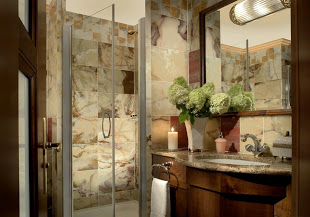
A well-chosen shower enclosure can make a bathroom feel brighter, more comfortable, and easier to maintain. The right design depends on your available space, daily routine, and the condition of your bathroom—not just appearance. If you’re comparing options online, the search phrase Shower enclosures Johnstown CO can help you explore choices suited to local homeowners and plan the next steps for your project.
Start with the bathroom layout
Before selecting glass or hardware, consider how the enclosure will fit into the room. Measure the shower opening, ceiling height, and nearby fixtures, including toilets, vanities, and towel bars. The door needs enough clearance to open comfortably without striking anything. In a compact bathroom, a sliding door or a fixed panel with an open entry may save space; a hinged door can work well when there’s room for a full swing.
The shape of the shower matters, too. A standard alcove, corner shower, or custom-sized opening may each call for a different enclosure design. Note whether the walls are plumb and the floor is level. Even small irregularities can affect how glass panels align and seal, so accurate measurements are essential, especially for custom installations.
Choose glass and hardware for everyday use
Clear glass is popular because it allows light to move through the room and helps a smaller bathroom feel more open. Frosted or patterned glass offers more privacy and can make water spots less noticeable. For any style, ask about safety glazing and confirm that the glass and hardware are appropriate for the enclosure’s size and configuration.
Frameless designs have minimal visible metal, while framed or semi-frameless options use more support around the panels. The best choice depends on your budget, preferred look, and the shower’s structure. Frameless glass can create a clean, open appearance, but it requires secure anchoring and careful installation. Hardware finishes should also coordinate with faucets and other bathroom fixtures, while remaining practical to clean.
Consider Johnstown’s water and climate
Mineral-heavy water can leave deposits on glass, particularly where droplets dry after each shower. A protective glass treatment may make cleaning easier, but it doesn’t eliminate maintenance. A quick squeegee after use and regular cleaning with a product approved for the glass and finish can help limit buildup. Avoid abrasive pads and harsh cleaners that may scratch glass or damage metal hardware.
Colorado’s dry air can make bathroom ventilation especially important. Use a working exhaust fan during showers and afterward to help manage moisture. Good ventilation supports a healthier bathroom environment and can reduce the risk of persistent dampness around grout, caulk, and nearby surfaces.
Plan installation and upkeep
Before installation, confirm what the project includes: removal of an existing enclosure, disposal, hardware, sealing, and any adjustments needed to prepare the opening. Ask how the glass will be measured, what clearances are required, and how long the bathroom may be out of service. If walls, tile, or the shower base need repair, address those issues before the glass goes in.
After installation, follow the care instructions for the specific glass and hardware. Check seals periodically, and clean the enclosure before residue becomes difficult to remove. A thoughtful choice balances fit, privacy, appearance, and maintenance. By measuring carefully, selecting suitable materials, and planning for ventilation and routine care, homeowners can choose an enclosure that serves the bathroom well for years.