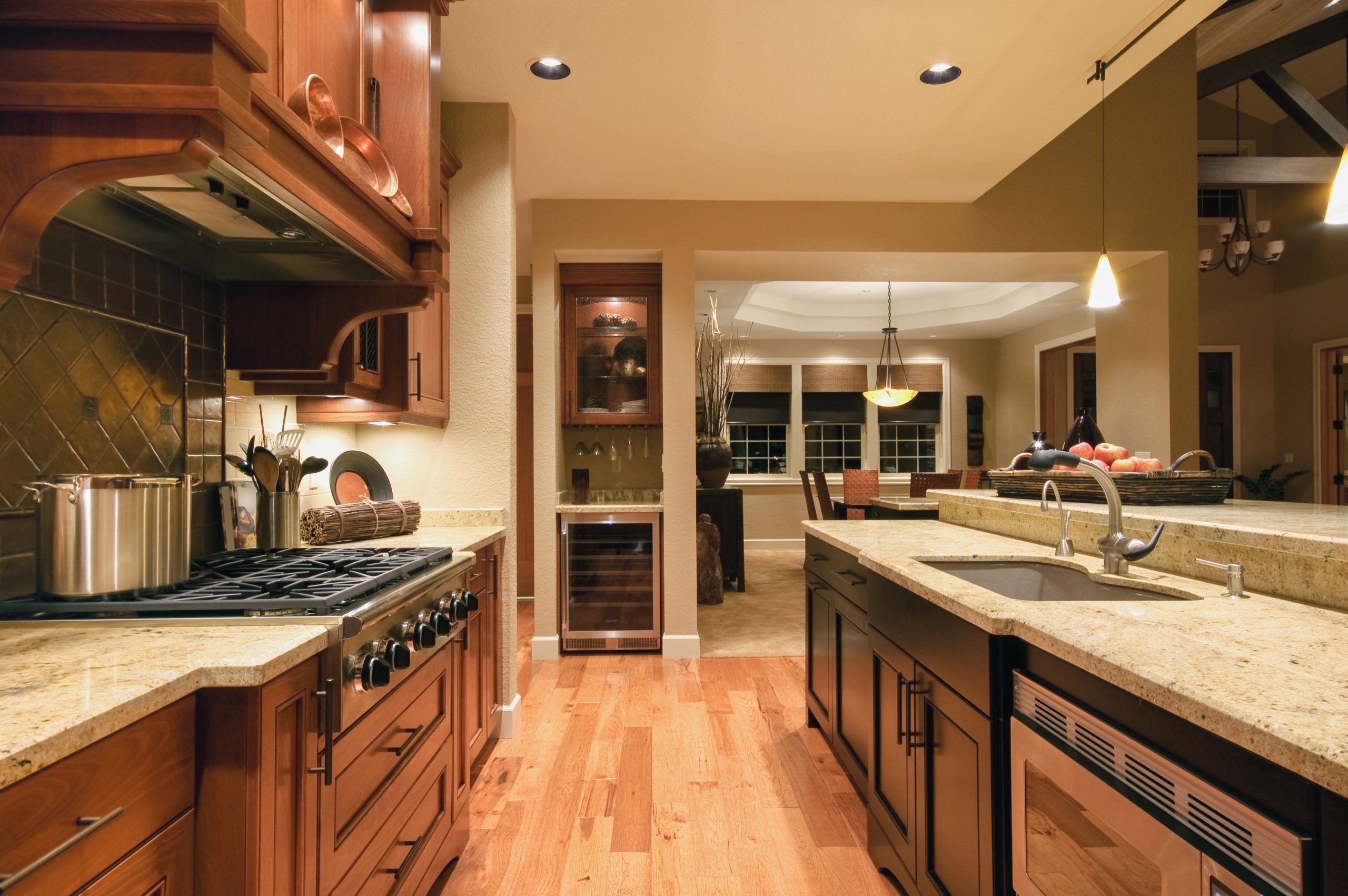
Cabinets influence how a kitchen looks, feels, and functions every day. If yours are damaged, difficult to organize, or no longer suit your home, replacement can be a practical way to refresh the space. When researching Kitchen cabinet replacement Loveland, start by defining what you need from the project—not just the style you hope to achieve.
Decide Whether Replacement Is the Right Choice
A full replacement makes sense when cabinet boxes are warped, water-damaged, poorly laid out, or too worn to support new doors and hardware. It also gives you the opportunity to change the kitchen’s storage and configuration. If the cabinet boxes are sound and the existing layout works, refinishing or replacing only the doors may cost less and involve less disruption.
Look closely at the areas around the sink, dishwasher, and range, where moisture and heat can cause deterioration. Check whether shelves sag, drawers stick, or doors fail to close evenly. These details help you distinguish cosmetic problems from signs that the cabinets have reached the end of their useful life.
Plan the Layout Before Choosing Finishes
A replacement project is a chance to make everyday tasks easier. Consider where you prepare food, unload dishes, and store cookware. Pullout shelves, deep drawers, tray dividers, and corner solutions can make awkward spaces more useful. If you want to move appliances or plumbing, discuss those changes early; they can affect the design, schedule, and total cost.
Before ordering, confirm measurements for every wall, doorway, window, appliance, and utility connection. A professional can verify dimensions and identify obstacles such as uneven walls or out-of-level floors. Accurate planning helps prevent installation delays and ensures that cabinets fit the room as intended.
Choose Materials for Your Household
Cabinet construction, finish, and hardware all affect durability and maintenance. Compare options based on how your kitchen is used: a busy household may benefit from easy-to-clean finishes and sturdy drawer construction, while a less-used kitchen may allow more flexibility in material selection. Ask how surfaces respond to moisture, cleaning products, and everyday wear.
Think about color and style in the context of the whole room. Bring samples together with your countertop, flooring, backsplash, and wall color before making a decision. Lighting can change how a finish appears, so view samples in the kitchen at different times of day.
Set a Realistic Budget and Schedule
The project price can include cabinets, delivery, removal, installation, hardware, and related work such as updating countertops or electrical connections. Ask for a written, itemized estimate and clarify what is excluded. It is also wise to set aside a contingency for surprises uncovered during demolition, especially if the kitchen has hidden water damage or outdated connections.
Ask about the expected timeline, how the work area will be protected, and whether the kitchen will be usable during installation. Confirm who handles disposal and what preparation you need to complete before the crew arrives.
A successful cabinet project starts with a clear assessment, accurate measurements, and choices suited to your budget and daily routine. By comparing replacement with less extensive updates, planning storage needs, and confirming costs and timing in advance, Loveland homeowners can approach the work with confidence and create a kitchen that serves them well for years.
