A car that will not shift into neutral can usually still be towed, but it should not be dragged or forced to move without the correct equipment. The towing method depends on the transmission, drivetrain, wheel position, parking brake, vehicle condition, and available access.
Drivers in San Tan, AZ, may encounter this problem after a dead battery, damaged shifter, electrical failure, collision, or transmission issue. Understanding how the process works can make it easier to provide the right information when requesting towing.
Why Does Neutral Matter During Towing?
Placing a vehicle in neutral allows its wheels to roll more freely. This can make it easier to position the car, move it away from traffic, or load it onto a tow truck.
When a vehicle remains in park, an internal parking mechanism may keep the drivetrain from turning. Attempting to drag the car without accounting for that resistance may place unnecessary pressure on the tires, transmission, axles, or other components.
Neutral is helpful, but it is not always required. Tow operators have equipment and loading methods designed for vehicles that cannot roll, steer, or shift normally.
Why Might a Vehicle Remain Stuck in Park?
A car may refuse to shift for several reasons. One common cause is a weak or dead battery, especially in vehicles with electronic gear selectors. Without sufficient power, the system may not recognize the brake pedal input or release the shifter.
Other possible causes include:
-
A damaged shift cable
-
A failed brake-light switch
-
An electronic control problem
-
Transmission damage
-
A locked steering column
-
Collision-related damage
-
A malfunctioning ignition or key fob
Some vehicles also have electronic parking brakes that cannot be released when the battery is depleted. These conditions should be reported before the tow truck arrives.
Can the Shift-Lock Release Be Used?
Many vehicles include a manual shift-lock release near the gear selector. It may allow the transmission to move out of park when the normal release system is not working.
However, the location and procedure vary by vehicle. Drivers should review the owner’s manual rather than forcing the shifter, removing trim pieces without guidance, or experimenting with unfamiliar controls along the roadside.
Using the wrong procedure may damage the gear selector or create another mechanical problem. When there is uncertainty, it is generally better to leave the vehicle in its current condition and explain the situation to the tow operator.
How Can a Light Duty Tow Truck Move the Car?
A light duty tow truck can transport many passenger cars, SUVs, minivans, motorcycles, and pickup trucks. The operator selects a method based on the vehicle’s size, drivetrain, damage, and ability to roll.
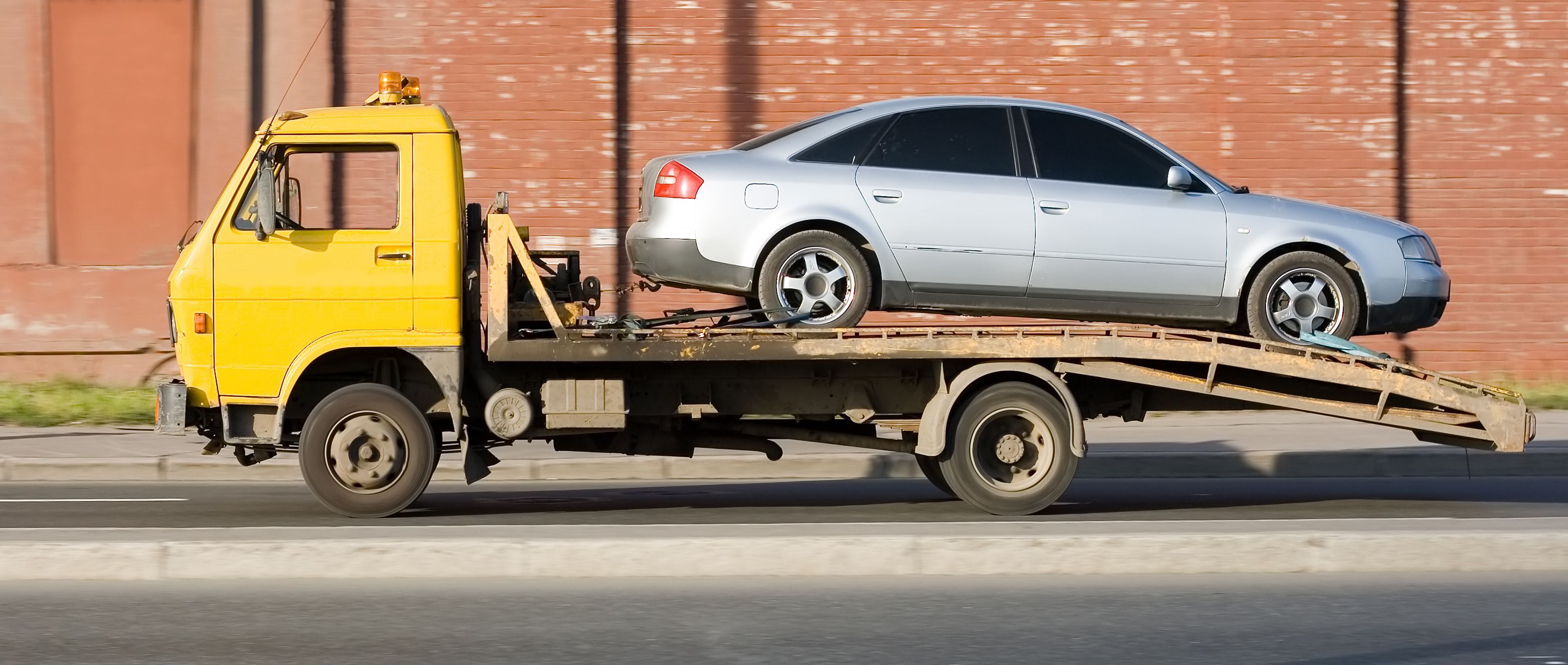
A flatbed tow truck may be used when the vehicle cannot shift into neutral. The car can be carefully pulled onto the bed using a winch, while additional tools may help the locked wheels move across the surface.
Wheel dollies or skates may also be placed under the tires. These devices allow the vehicle to roll without requiring the transmission or locked wheels to turn normally.
The available space also matters. A car positioned in an open parking lot may be easier to approach than one parked inside a garage, against a wall, or between other vehicles.
Does the Vehicle’s Drivetrain Affect the Tow?
Yes. Front-wheel-drive, rear-wheel-drive, all-wheel-drive, and four-wheel-drive vehicles do not all respond the same way when their wheels remain on the ground.
For example, an all-wheel-drive vehicle may require all four wheels to be lifted during transport. Allowing the wrong wheels to rotate while others remain locked may place stress on drivetrain components.
The operator may ask for the vehicle’s year, make, model, and drivetrain before dispatch. This information helps determine whether a flatbed, wheel-lift, dollies, or another setup may be appropriate.
Although the keyword heavy duty towing may appear in broader searches, most passenger vehicles that cannot shift into neutral require light-duty equipment rather than a heavy tow truck. Heavy-duty equipment is generally reserved for larger commercial vehicles, buses, semis, and other high-weight units.
What Should Drivers Tell the Towing Company?
Clear information can help the towing company prepare before arriving. Drivers should explain:
-
Whether the vehicle is stuck in park
-
Whether the battery has power
-
Whether the steering wheel turns
-
Whether the parking brake is engaged
-
Whether any wheels are damaged or locked
-
Whether the vehicle has collision damage
-
Whether it is in a garage, driveway, or tight parking space
-
Whether it is front-, rear-, all-, or four-wheel drive
Photos of the vehicle and surrounding area may also help show access limitations, wheel position, low clearance, or visible damage.
Should Drivers Try to Push or Drag the Vehicle?
Drivers should avoid pulling the car with another personal vehicle or forcing it to move while the transmission remains in park. Improvised towing may damage both vehicles and create a safety risk for nearby drivers or pedestrians.
If the car is stopped near traffic, occupants should move to a protected location when it is safe to do so. The tow operator can then assess the vehicle and control the loading area.
A vehicle that cannot shift is not necessarily difficult to tow, but it requires the right preparation. Evan’s Towing serves San Tan and nearby communities, and drivers can contact their towing service to explain the vehicle’s condition, location, and access before a light duty tow truck is dispatched.