In short:
- Routine car maintenance catches small problems before they become expensive repairs.
- Following mileage-based service intervals protects tires, brakes, and engine components from premature wear.
- Consistent upkeep habits in Roselle, IL can reduce the likelihood of roadside breakdowns during harsh winters.
Regular, scheduled upkeep lowers long-term ownership costs by preventing minor issues from developing into major repairs. Drivers who track mileage-based service intervals and address warning signs promptly typically spend less over the life of a vehicle than those who wait until something fails.
Consistent car maintenance in Roselle, IL is less about any single repair and more about habits repeated over years of driving. Oil changes, tire rotations, brake inspections, and fluid checks each help prevent the neglect that leads to costly breakdowns. Skipping these steps doesn’t eliminate upkeep costs; it just pushes them down the road, often with added repair labor.
Build a Maintenance Routine Around Mileage, Not Just Time
Vehicles age by mileage and by calendar time, so a maintenance routine needs to account for both. Many owners assume a car is fine simply because it still runs, overlooking parts that degrade gradually under normal use.
- Oil and filter changes generally fall in a window tied to mileage and oil type rather than a fixed calendar date.
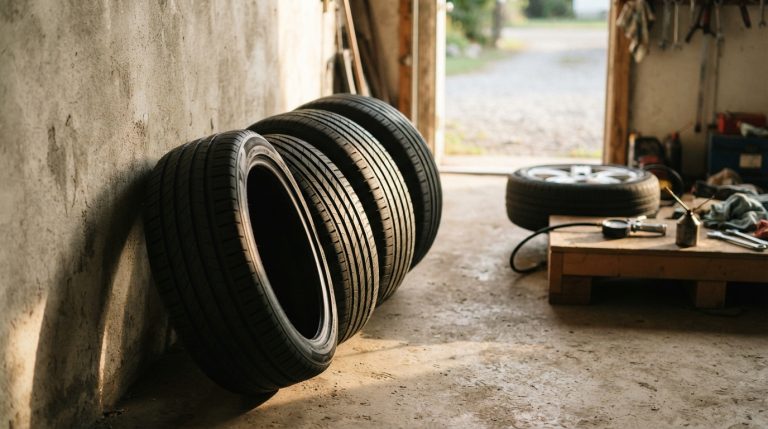
- Tire rotation on a regular interval helps tires wear evenly and extends their usable life.
- Spark plugs, timing belts, and transmission fluid follow longer intervals that vary by manufacturer specification.
According to a maintenance checklist from idrivecertified.com, tires generally should be replaced once they reach six to ten years old regardless of remaining tread, since aging rubber becomes more prone to cracking and blowouts. Brake fluid is typically recommended for replacement roughly every two years, or according to the interval listed in the owner’s manual, since contaminated fluid can affect braking performance over time.
Watch for Early Warning Signs Between Visits
Dashboard warnings and unusual noises are a vehicle’s way of signaling that a component needs attention before a minor issue becomes a major repair. Addressing these signs early is typically less expensive than waiting for a full system failure.
- A check engine light can point to something as simple as a loose gas cap or something more serious, such as a failing catalytic converter.
- Grinding or squealing during braking often indicates worn brake pads that should be inspected before they damage rotors.
- Vibration while driving can signal uneven tire wear, an alignment issue, or a suspension problem.
Seasonal temperature swings in Roselle, IL can accelerate wear on batteries, tires, and belts, making periodic visual checks especially useful ahead of winter.
Compare Preventive Habits to Reactive Repairs
| Maintenance Approach | Typical Cost Pattern | Risk Level |
| Scheduled oil and fluid changes | Lower, predictable cost | Low |
| Routine tire rotation and alignment checks | Moderate, predictable cost | Low to moderate |
| Ignoring warning lights until failure | Higher, often urgent cost | High |
| Delaying brake service past wear indicators | Higher due to rotor or caliper damage | High |
Preventive habits tend to spread costs out in smaller, more manageable increments, while reactive repairs often arrive at inconvenient times and carry higher labor and parts costs.
Keep Records to Track Patterns Over Time
A simple maintenance log, whether on paper or in a phone app, makes it easier to see when a service was last performed and whether a part is approaching the end of its expected lifespan. This record also helps when diagnosing a new issue, since technicians can rule out recently serviced components.
- Note the date, mileage, and service performed at each visit.
- Keep receipts for parts and labor in case of future warranty questions.
- Review the log before long trips to confirm nothing is overdue.
Based in USA, Roselle Auto Clinic And Tire serves drivers across Roselle, IL with general maintenance, brake service, tire support, and diagnostic work.
Frequently Asked Questions
How often should fluids other than oil be checked? Coolant, brake fluid, and transmission fluid should be checked at each major service visit, with coolant flushes generally recommended every two to five years depending on the coolant type used.
Does skipping tire rotations really affect cost over time? Uneven tire wear from skipped rotations can shorten tire life significantly, meaning replacement comes sooner and at a higher cumulative cost than if rotations had been kept current.
What is the easiest habit to start with for better upkeep? Checking tire pressure monthly is one of the simplest habits, since incorrect pressure affects fuel efficiency, handling, and tread wear.
Are dashboard warning lights always urgent? Not always, but any warning light deserves a prompt diagnostic check to determine whether the underlying issue is minor or serious before it worsens.
Keep Maintenance on Schedule
Owner’s manual intervals and basic visual checks remain useful starting points for staying ahead of common repair costs. Additional published details for Roselle Auto Clinic And Tire outline the service area covered for routine vehicle upkeep.