At glance:
• A family law lawyer handles divorce filings, child custody arrangements, support calculations, and property division under Wisconsin law.
• Legal guidance helps reduce errors in paperwork, deadlines, and negotiations that can affect long-term outcomes for families in Appleton, WI.
• Court procedures, mediation options, and documentation requirements vary by case type and county.
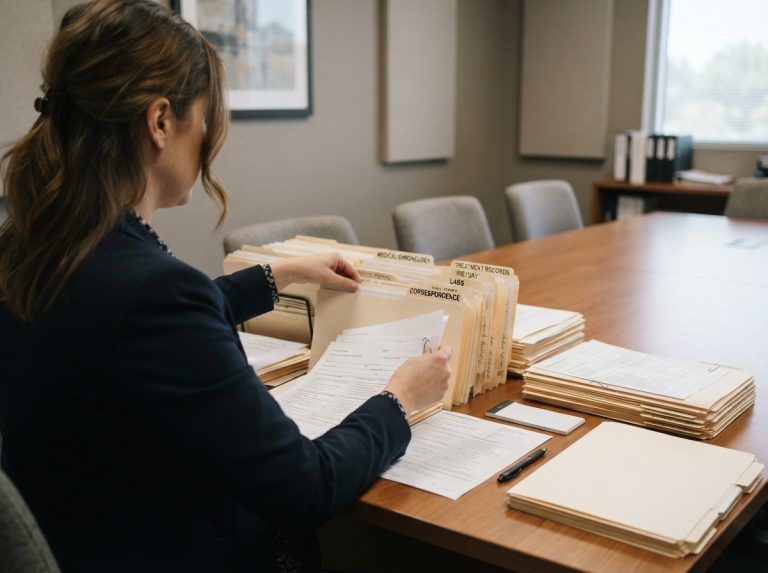
Divorce and custody cases involve legal deadlines, financial disclosures, and parenting plan requirements that are difficult to manage without guidance. A family law lawyer helps individuals understand filing requirements, respond to court orders, and prepare documentation needed for hearings in Wisconsin family court.
Based in Green Bay, WI, Brabazon Law Office, LLC works with clients across Appleton, WI on matters involving divorce, child custody, and related family law proceedings. Understanding how these cases typically unfold can help residents prepare for what the process involves before meeting with legal counsel.
What a Family Law Lawyer Actually Does
Family law covers a range of legal matters tied to marriage, parenting, and household finances. Attorneys in this field generally assist with:
• Filing or responding to divorce petitions
• Drafting and reviewing parenting plans and custody schedules
• Calculating child support and spousal maintenance figures
• Negotiating division of marital property and debt
• Representing clients in mediation or court hearings
Each case follows Wisconsin’s statutory requirements for notice, disclosure, and timing, which makes early legal review useful before documents are filed.
Divorce Procedures in Wisconsin
Wisconsin is a no-fault divorce state, meaning neither spouse has to prove wrongdoing to end the marriage. Courts require a minimum waiting period after filing before a divorce can be finalized, and residency requirements apply to the filing spouse. According to the Wisconsin Court System, divorce cases must meet specific residency and filing procedures before a judgment can be entered.
Property division in Wisconsin follows community property principles, meaning marital assets and debts are generally divided equally unless the parties agree otherwise or a court finds reason to deviate. This differs from equitable distribution states, where division is based on fairness rather than a strict 50/50 split.
| Divorce Factor | Wisconsin Approach |
| Grounds for divorce | No-fault only |
| Property division | Community property (generally equal split) |
| Waiting period | Mandatory period after filing |
| Residency requirement | Required before filing |
Child Custody and Support Considerations
Custody cases in Wisconsin separate two concepts: legal custody, which covers decision-making authority, and physical placement, which determines where a child lives day to day. Courts evaluate the best interests of the child using statutory factors, including each parent’s ability to cooperate and the child’s relationship with each household.
Support calculations typically follow state guidelines based on:
1. Each parent’s gross income
2. The number of overnight placements with each parent
3. Health insurance and childcare costs
4. Any special needs of the child
Parents going through this process often benefit from reviewing how placement schedules affect support figures before negotiations begin, since small adjustments in overnight counts can shift calculated amounts.
When Legal Representation Becomes Necessary
Not every family law matter requires a contested court battle, but legal review is useful in several situations:
• Disputes over custody or placement schedules
• Disagreements about asset or debt division
• Modification requests for existing support or custody orders
• Cases involving domestic violence or safety concerns
• Situations where one party is self-represented and the other has counsel
Residents in Appleton, WI dealing with any of these circumstances may find it helpful to have documents reviewed before deadlines pass, since missed filings can delay proceedings or affect case outcomes.
Frequently Asked Questions
Does Wisconsin require mediation before a custody case goes to trial? Many Wisconsin counties require mediation for contested custody or placement disputes before a case proceeds to a contested hearing, though specific requirements vary by county.
How is child support calculated in Wisconsin? Support is generally calculated using state guidelines that factor in each parent’s income, the number of overnight placements, and costs such as health insurance and childcare.
Can a divorce be finalized without going to court? Uncontested divorces where both parties agree on terms can sometimes be finalized through a simplified process, though a judge must still review and approve the final judgment.
What is the difference between legal custody and physical placement? Legal custody refers to decision-making authority over major issues like education and healthcare, while physical placement determines where the child resides on a day-to-day basis.
Final Considerations
Family law cases involve procedural deadlines, financial disclosures, and parenting arrangements that affect households for years after a case closes. Reviewing Wisconsin’s filing requirements and support guidelines early in the process can help reduce delays and clarify what documentation will be needed at each stage.
Families in the surrounding region can Click Here To Visit Brabazon Law Office, LLC to review available family law services and current service area information.