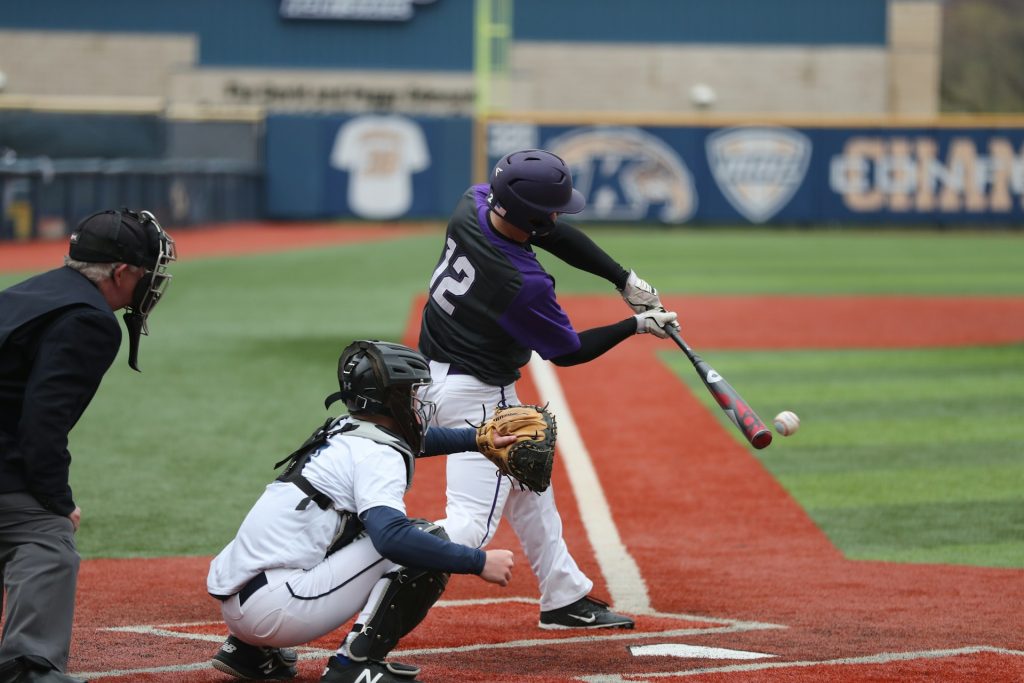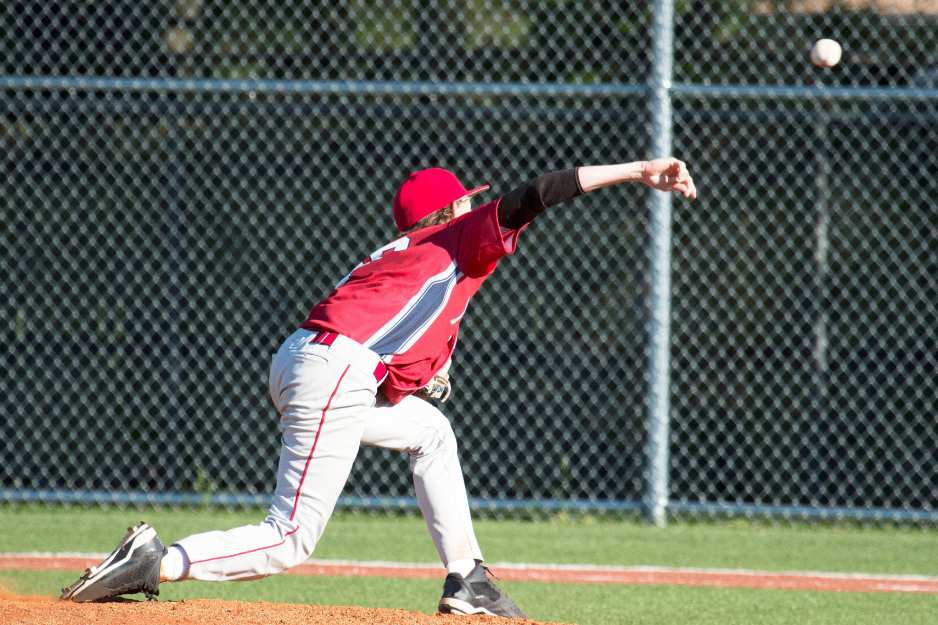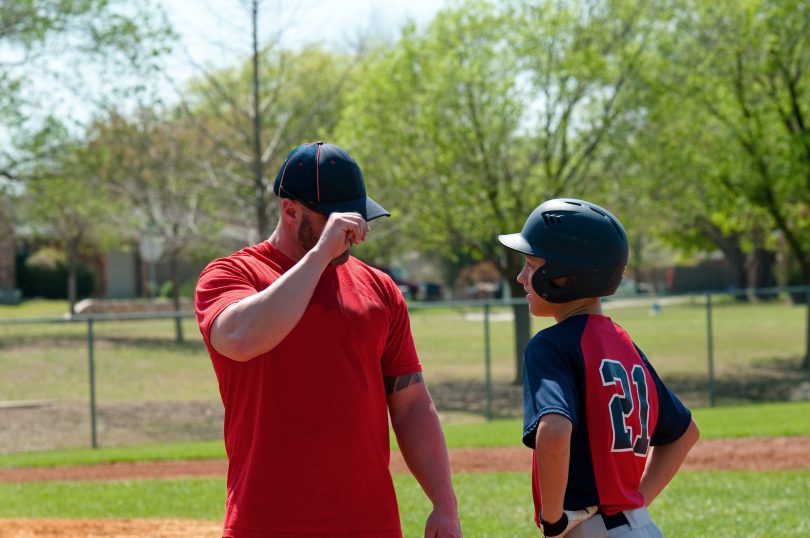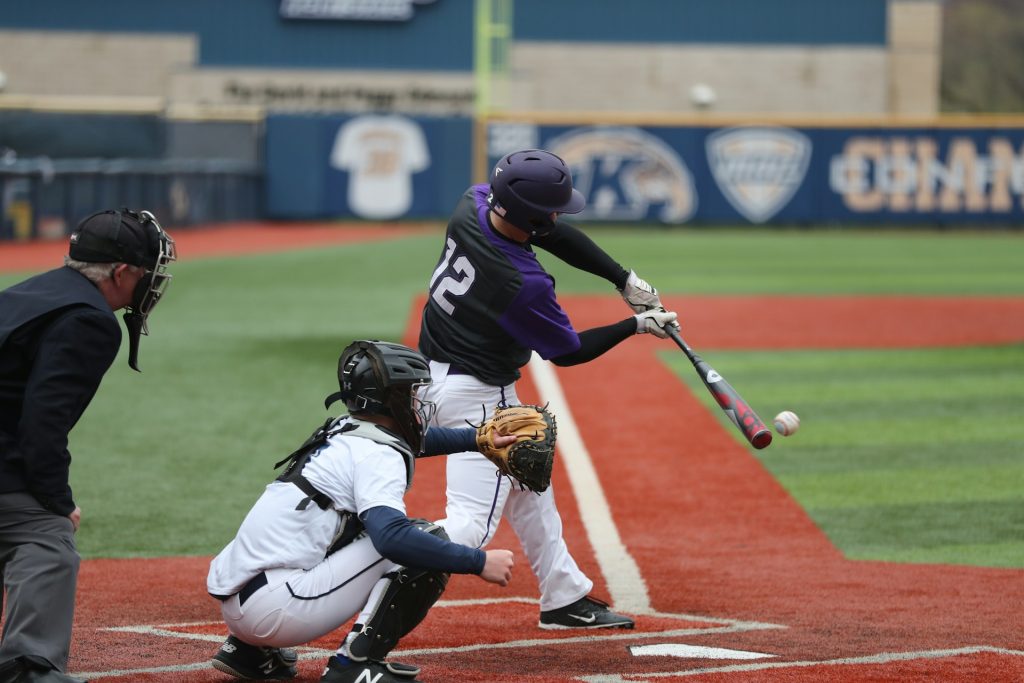
The recruiting process has become increasingly competitive for student-athletes hoping to play baseball at the collegiate level. Coaches now evaluate athletes through multiple channels, including recruiting profiles, showcase events, academic performance, highlight videos, and direct communication. Because of this, creating a strong recruiting profile has become an important part of modern athlete recruiting.
For many families, understanding how student athlete recruiting works can feel overwhelming at first. However, athletes who focus on preparation, organization, and consistency often improve their opportunities to connect with college programs.
A well-developed baseball recruiting profile can help coaches evaluate a player more efficiently while giving student-athletes additional visibility throughout the recruiting process.
Why Recruiting Profiles Matter in Modern Athlete Recruiting
College coaches receive large amounts of recruiting information throughout the year. Recruiting profiles help simplify the evaluation process by organizing important details about the athlete in one place.
A strong profile allows coaches to quickly review:
-
Athletic statistics
-
Academic performance
-
Measurable data
-
Highlight videos
-
Tournament schedules
-
Position information
-
Contact details
Recruiting profiles also help athletes remain organized as they communicate with programs throughout the recruiting process.
While athletic performance still matters most, presentation and organization can influence how easily coaches evaluate potential recruits.
Keep Athletic Information Accurate and Updated
One of the most important parts of student athlete recruiting is providing accurate and current information. Coaches want reliable details when evaluating prospects, especially when comparing multiple athletes at the same position.
Athletes should regularly update:
-
Height and weight
-
Graduation year
-
Position information
-
GPA and test scores
-
Statistics
-
Velocity or measurable metrics
-
Team schedules
Keeping profiles updated throughout the season helps coaches evaluate progress and development over time.
Consistency also matters. Inaccurate information or exaggerated statistics can damage credibility during the recruiting process.
Highlight Videos Should Be Clear and Organized
Highlight videos have become one of the most important tools in baseball recruiting services and athlete recruiting. Many coaches review video footage before deciding whether to attend games or contact athletes directly.
A strong baseball highlight video should:
-
Start with the athlete clearly identified
-
Showcase game situations
-
Include multiple skill demonstrations
-
Remain concise and easy to follow
-
Focus on quality rather than excessive editing
For pitchers, coaches often want to evaluate mechanics, command, velocity, and pitch movement. For position players, videos should demonstrate hitting ability, fielding, arm strength, and athleticism during live gameplay.
Athletes should avoid overproduced videos with distracting graphics or music that take attention away from performance.
Academics Still Play a Major Role
Athletic ability is only part of the recruiting process. Coaches are also recruiting students who must meet NCAA eligibility requirements and succeed academically within college programs.
Strong academics can create additional opportunities for student-athletes by:
-
Expanding recruiting options
-
Improving scholarship potential
-
Increasing coach confidence
-
Supporting eligibility requirements
This becomes especially important for athletes interested in academically competitive schools or Ivy League programs.
Families should remember that coaches often prefer athletes who demonstrate discipline both in the classroom and on the field.
Communication Helps Athletes Stand Out
Communication is another important factor in athlete recruiting. Coaches appreciate athletes who demonstrate professionalism, maturity, and genuine interest in their programs.
Athletes should learn how to:
-
Send personalized emails
-
Follow up respectfully
-
Share schedules and updates
-
Introduce themselves professionally
-
Respond promptly to communication
Mass messaging multiple programs without personalization is generally less effective than direct communication tailored to specific schools.
Coaches often evaluate communication skills as part of their overall impression of the athlete.
Showcase Events Provide Valuable Exposure
Showcases, tournaments, and prospect camps continue to play major roles in baseball recruiting services. These events allow coaches to evaluate athletes against strong competition in live environments.
Exposure events help coaches assess:
-
Athletic performance
-
Baseball IQ
-
Competitive mindset
-
Consistency
-
Coachability
-
Physical tools
However, athletes do not necessarily need to attend every showcase available. Strategic participation in events that match their recruiting goals and skill level is often more effective.
Families should also understand that recruiting success usually develops over time rather than from one single showcase performance.
Social Media and Online Presence Matter
Modern student athlete recruiting extends beyond the baseball field. Coaches may also review an athlete’s online presence during evaluations.
Athletes should maintain a professional image across social media platforms by:
-
Avoiding inappropriate content
-
Demonstrating maturity
-
Sharing athletic accomplishments responsibly
-
Representing teammates and coaches respectfully
A strong online presence can reinforce positive impressions during the recruiting process.
At the same time, negative online behavior may raise concerns for coaches evaluating long-term fit within their programs.
Organization Can Improve the Recruiting Process
The recruiting process often involves managing schedules, communication, tournament information, video updates, and academic records simultaneously.
Many families use spreadsheets, recruiting platforms, or baseball recruiting services to stay organized during recruitment.
Working with a professional baseball and softball recruiting partner in the US may also help athletes better understand recruiting expectations, timelines, and communication strategies while navigating the process more efficiently.
Organization allows athletes to respond quickly to opportunities while reducing unnecessary stress throughout recruitment.
Coaches Look Beyond Athletic Talent
One important thing many families discover during athlete recruiting is that coaches evaluate much more than physical performance alone.
College coaches often pay attention to:
-
Work ethic
-
Leadership
-
Attitude
-
Body language
-
Coachability
-
Team interaction
-
Mental toughness
Athletes who demonstrate maturity, discipline, and consistency often leave stronger long-term impressions during recruiting evaluations.
Coaches want players who can contribute positively to team culture over multiple years.
Final Thoughts on Improving a Recruiting Profile
Building a strong recruiting profile takes time, preparation, and consistency. Student athlete recruiting has become increasingly detailed, requiring athletes to manage both athletic development and professional presentation throughout the process.
Athletes who stay organized, communicate effectively, maintain strong academics, and continue developing their skills often improve their recruiting opportunities significantly. While baseball recruiting can feel competitive and demanding, understanding what coaches look for may help families navigate the process with greater confidence and direction.