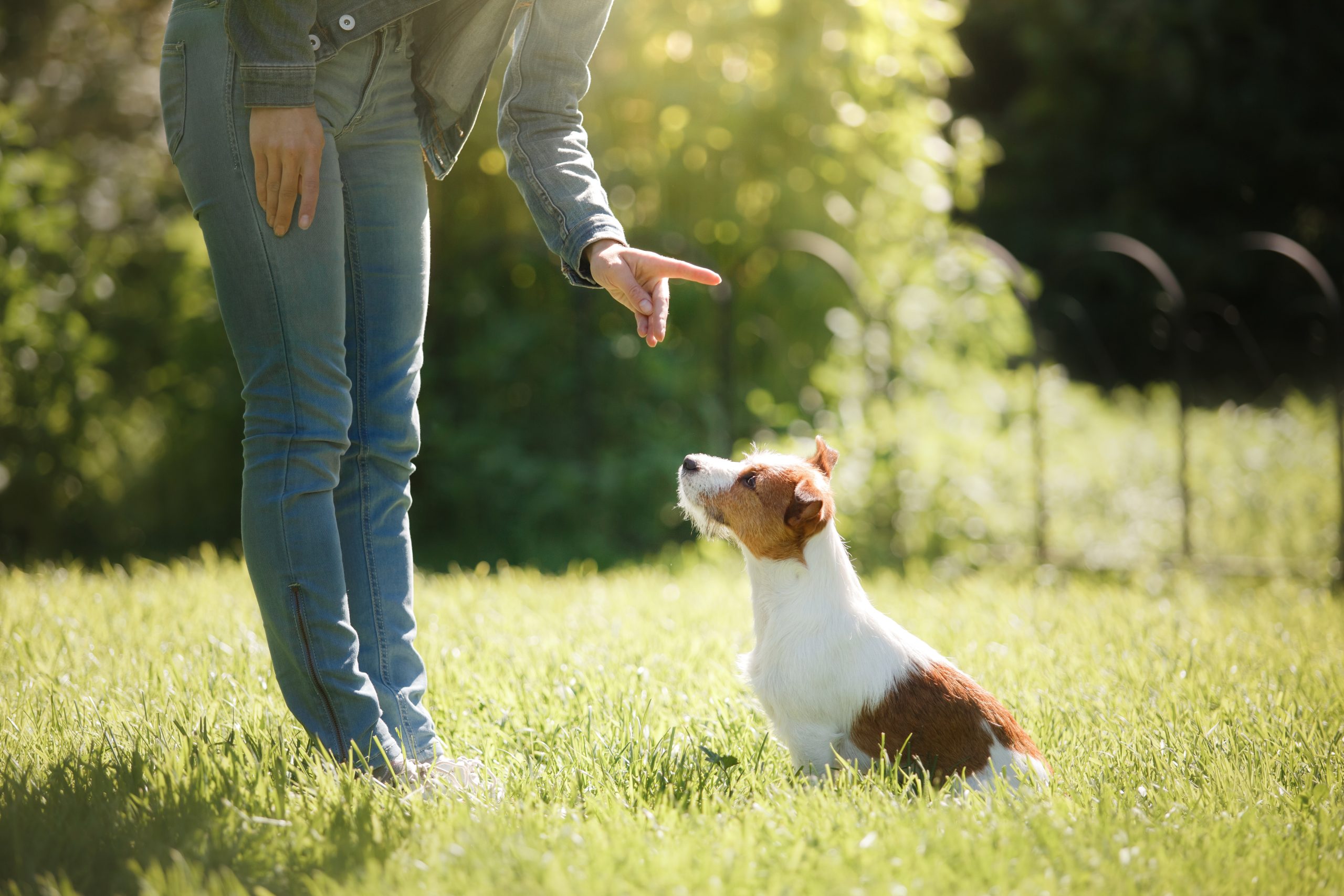
Helping your dog stay active and mobile is a top priority for many pet owners in the United States. Whether your furry friend is recovering from an injury, dealing with age-related stiffness, or simply in need of a boost to their physical health, there are practical ways to support their well-being right at home. For those searching for effective ways to enhance their pet’s quality of life, Dog Rehabilitation Exercises have become a highly sought-after solution, offering a blend of science-backed techniques and family-friendly routines.
Understanding Dog Rehabilitation Exercises
Dog rehabilitation exercises are specialized routines designed to restore, maintain, or improve your pet’s physical function and mobility. These exercises can benefit dogs recovering from surgery, managing chronic conditions like arthritis, or simply needing more structured activity. While professional veterinary guidance is essential for dogs with serious injuries, many exercises can be safely performed at home with a bit of creativity and patience.
Key Benefits for American Families
Engaging in rehabilitation exercises with your dog offers a range of advantages that go beyond improved mobility:
• Enhanced Bonding: Working through exercises together strengthens the emotional connection between you and your pet.
• Preventing Further Injury: Targeted movements help stabilize weak joints and muscles, reducing the risk of future injuries.
• Weight Management: Consistent activity helps control weight, which is crucial for joint health and overall longevity.
• Mental Stimulation: Rehabilitation routines challenge your dog’s mind, helping to prevent boredom and anxiety.
Popular On-Site Dog Rehabilitation Exercises
At CCRG, dog rehabilitation exercises are performed on location under professional supervision. These guided sessions help support mobility, strength, flexibility, and comfort while ensuring each exercise is appropriate for the dog’s condition, age, and recovery needs.
1. Passive Range of Motion
During supervised rehabilitation, a trained professional may gently move your dog’s limbs through their natural range of motion. This helps support joint flexibility, reduce stiffness, and maintain mobility, especially after injury, surgery, or periods of limited activity.
2. Sit-to-Stand Exercises
Sit-to-stand movements help strengthen the hind legs, hips, and core muscles. Under professional guidance, dogs are encouraged to move from a sitting to a standing position in a controlled way to support improved balance and muscle function.
3. Controlled Walking Exercises
Controlled walking helps dogs rebuild strength and coordination without placing too much stress on the body. These exercises may include slow, guided movement, changes in pace, or walking on specific surfaces based on the dog’s rehabilitation plan.
4. Balance and Core Work
Balance exercises help improve stability, coordination, and core strength. During on-site sessions, dogs may use specialized equipment or guided positioning to safely engage muscles that support better movement and posture.
5. Cavaletti Pole Work
Cavaletti exercises involve guiding a dog over low poles to encourage careful stepping, joint movement, and coordination. This type of exercise is performed in a controlled setting to help improve mobility and body awareness.
Tips for a Successful Rehabilitation Plan
-
Follow the professional rehabilitation plan created for your dog.
-
Attend scheduled on-site sessions consistently.
-
Communicate any changes in your dog’s comfort, movement, or behavior.
-
Avoid trying new exercises at home unless specifically instructed by the rehabilitation team.
-
Support your dog’s progress with patience, encouragement, and consistency.
Supporting Rehabilitation Through Professional Care
Dog rehabilitation is most effective when guided by trained professionals who understand your pet’s specific condition and recovery goals. At CCRG, rehabilitation exercises are performed on location in a supervised setting to help improve strength, reduce discomfort, and support better mobility. With the right professional care, dogs can work toward a safer, more comfortable, and more active lifestyle.