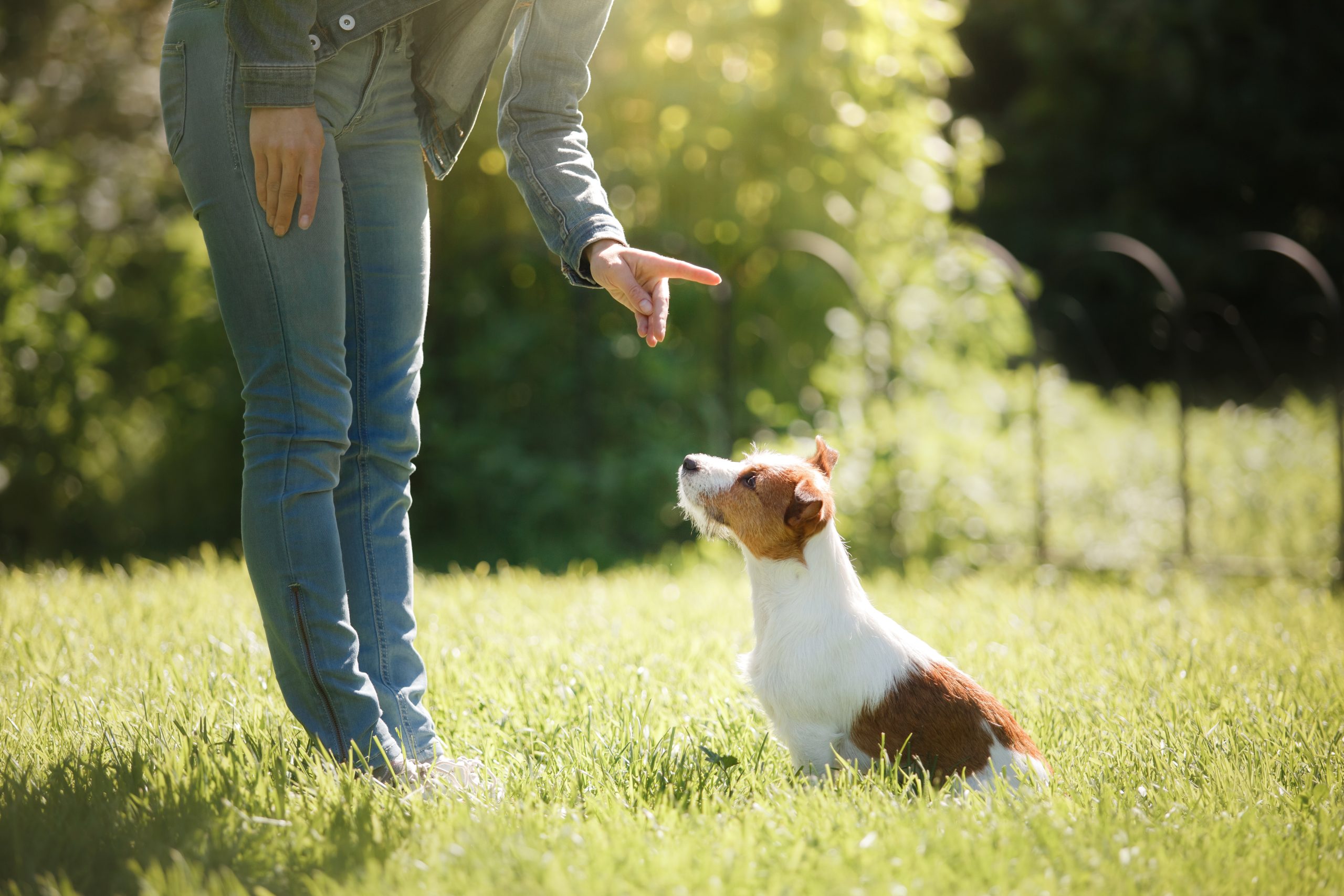
Puppy training plays a major role in shaping how dogs behave around visitors, family members, and unfamiliar environments. Many puppies naturally become excited when guests enter the home, leading to jumping, barking, running, or nipping behaviors. Structured puppy training and dog behavior training help puppies learn calm responses early, creating better habits that continue into adulthood.
Teaching calm behavior around guests requires consistency, patience, and clear communication. Puppies learn best when owners reinforce desired behaviors regularly while setting predictable boundaries during social interactions.
Why Do Puppies Become Overexcited Around Guests?
Puppies are naturally curious and energetic. When new people enter the home, puppies often see the situation as exciting stimulation. New smells, voices, movements, and attention can quickly increase excitement levels.
Common behaviors puppies display around guests include:
-
Jumping on people
-
Barking excessively
-
Running through the house
-
Nipping at clothing or hands
-
Difficulty settling down
-
Ignoring cues
In many cases, these behaviors continue because they unintentionally receive attention. Even eye contact, laughing, or pushing a puppy away can reinforce overexcited behavior.
Basic dog training helps puppies understand that calm behavior earns rewards and attention more effectively than jumping or barking.
Why Early Puppy Training Matters
Early puppy training creates the foundation for future behavior. Puppies learn rapidly during their first months, making this an ideal time to introduce structure, routines, and proper social behavior.
Teaching calm greetings early can help prevent long-term behavioral challenges later, including:
-
Reactivity toward visitors
-
Excessive barking
-
Anxiety during social situations
-
Difficulty controlling excitement
-
Poor impulse control
Puppies that practice calm interactions regularly are more likely to remain relaxed and manageable as adult dogs.
Dog behavior training during puppyhood also improves communication between dogs and their owners, helping puppies better understand household expectations.
How Can Puppies Learn Calm Greeting Behavior?
Calm greeting behavior is usually taught through repetition, reward timing, and structured practice. Puppies often need guidance to understand which behaviors are appropriate when guests arrive.
Several puppy training methods can help encourage calm interactions.
Reward Calm Behavior Immediately
Positive reinforcement is one of the most effective dog behavior training methods for puppies. When a puppy remains calm around guests, rewarding the behavior immediately helps reinforce the correct response.
Rewards may include:
-
Treats
-
Verbal praise
-
Toys
-
Calm affection
The timing of the reward matters. Puppies learn faster when rewards happen immediately after the desired behavior occurs.
Practice Greetings in Controlled Situations
Controlled practice sessions can help puppies build confidence around visitors without becoming overstimulated.
For example, owners can ask a friend or family member to enter the home calmly while the puppy practices sitting quietly before receiving attention. Repeating these exercises regularly helps puppies understand expectations.
Structured repetition is one of the key principles behind effective basic dog training.
Avoid Reinforcing Jumping
Jumping is often reinforced accidentally because puppies receive attention while doing it. If guests immediately pet or talk to an excited puppy, the puppy learns that jumping creates interaction.
Instead, guests should wait until the puppy is calm before offering attention. This teaches puppies that calm behavior creates positive outcomes.
Teach Focus Cues
Simple focus exercises can redirect a puppy’s attention away from overstimulation. Teaching cues such as “sit,” “place,” or eye contact exercises helps puppies stay mentally engaged during guest interactions.
Professional dog behavior training often uses these exercises to improve impulse control and reduce excitement.
How Does Basic Dog Training Improve Puppy Behavior?
Basic dog training teaches puppies how to respond appropriately in everyday situations. Skills learned during training sessions help puppies manage excitement more effectively when distractions appear.
Training exercises often improve:
-
Focus
-
Patience
-
Impulse control
-
Calmness around stimulation
-
Confidence in new situations
Puppies that regularly practice obedience exercises are generally better equipped to remain calm around guests because they understand how to follow structured routines.
This consistency helps reduce confusion and improves behavioral reliability over time.
Why Is Consistency Important in Puppy Training?
Consistency is one of the most important parts of puppy training success. Puppies learn through repetition and predictable outcomes.
If jumping is corrected one day but allowed the next, puppies may struggle to understand what behavior is expected. Consistent rules help puppies learn faster and build better habits.
Consistency applies to:
-
Greeting routines
-
Reward timing
-
Household boundaries
-
Guest interactions
-
Daily schedules
-
Training cues
The more predictable the training process becomes, the easier it is for puppies to succeed.
How Can Professional Dog Behavior Training Help?
Some puppies learn calm greeting behavior quickly, while others need more structured guidance. Professional dog behavior training provides personalized strategies designed around a puppy’s temperament, energy level, and learning style.
Professional trainers often help owners:
-
Improve impulse control
-
Reduce jumping behavior
-
Build calm social interactions
-
Reinforce obedience skills
-
Establish consistent routines
-
Practice structured greeting exercises
Private lessons can also help owners better understand how their puppy communicates during exciting or stressful situations.
Puppies that struggle with overexcitement around visitors may benefit from reliable puppy behavior private lessons that focus on calmness, structure, and positive reinforcement techniques.
Building Better Puppy Habits Over Time
Calm greeting behavior does not happen overnight. Puppies require regular practice and repetition before behaviors become reliable.
To improve puppy behavior over time:
-
Practice calm greetings daily
-
Reward calm behavior consistently
-
Avoid reinforcing excitement
-
Keep training sessions short and structured
-
Use clear and predictable cues
-
Stay patient during setbacks
Even small improvements can create long-term behavioral success when reinforced consistently.
Helping Puppies Build Confidence Around Guests in Surprise, AZ
Teaching puppies to stay calm around guests is an important part of long-term dog behavior training. Puppies that practice structured greeting routines early often develop stronger obedience skills, improved impulse control, and better confidence in social situations. Learn how reliable puppy behavior private lessons can help reinforce calm behavior, structured routines, and positive interactions during everyday guest visits.