Key point:
• Peptide skincare products work by signaling skin cells to produce more collagen and elastin, supporting firmness and texture over time.
• Formula type, peptide concentration, and delivery method (serum, mask, or cream) determine how a product performs on different skin concerns.
• Checking for clinical backing, ingredient transparency, and product freshness helps separate effective formulas from marketing-only claims.
Choosing a peptide-based formula starts with matching the product type to a specific skin concern, since peptides are categorized by function rather than being interchangeable across all skin issues. NakedBeauty MD offers one example of a physician-formulated line built around this category, illustrating how peptide complexes are typically structured into serums, masks, and eye treatments for distinct purposes.
Peptides are short chains of amino acids that act as messengers, prompting skin cells to behave as though collagen has been damaged and needs rebuilding. Recent dermatology literature describes peptides as central tools in addressing visible skin aging through mechanisms involving cellular senescence and extracellular matrix remodeling. This signaling function is why peptide formulas are often positioned for firmness, texture, and fine-line concerns rather than acute conditions like active breakouts.
How Peptide Categories Affect Product Selection
Not all peptides target the same outcome, so understanding the main categories helps narrow product choices.
• Signal peptides prompt collagen and elastin production and are common in anti-aging serums and creams.
• Carrier peptides deliver trace elements, such as copper, to support wound repair and firmness.
• Neurotransmitter-inhibitor peptides aim to soften the appearance of expression lines, often marketed as topical alternatives to injectables.
• Multi-peptide complexes combine several categories in one formula, which is typical of hydrogel masks and multi-action serums.
A product containing ten or more distinct peptides, for example, is generally built to address multiple concerns such as hydration, firmness, and antioxidant protection simultaneously rather than one isolated issue.
Matching Formula Type to Skin Goals
Product Type |
Primary Function |
Typical Use Case |
|
Peptide serum |
Deep delivery of actives, often paired with growth factors or exosomes |
Daily layering under moisturizer |
|
Hydrogel sheet mask |
Occlusive delivery for intensive hydration and firming |
Weekly treatment or post-procedure recovery |
|
Eye-area treatment |
Targeted peptides for thinner, more sensitive skin |
Reducing puffiness and fine lines around the eyes |
|
Peptide-infused cream |
Barrier support combined with gradual firming |
Daily moisturizing routine |
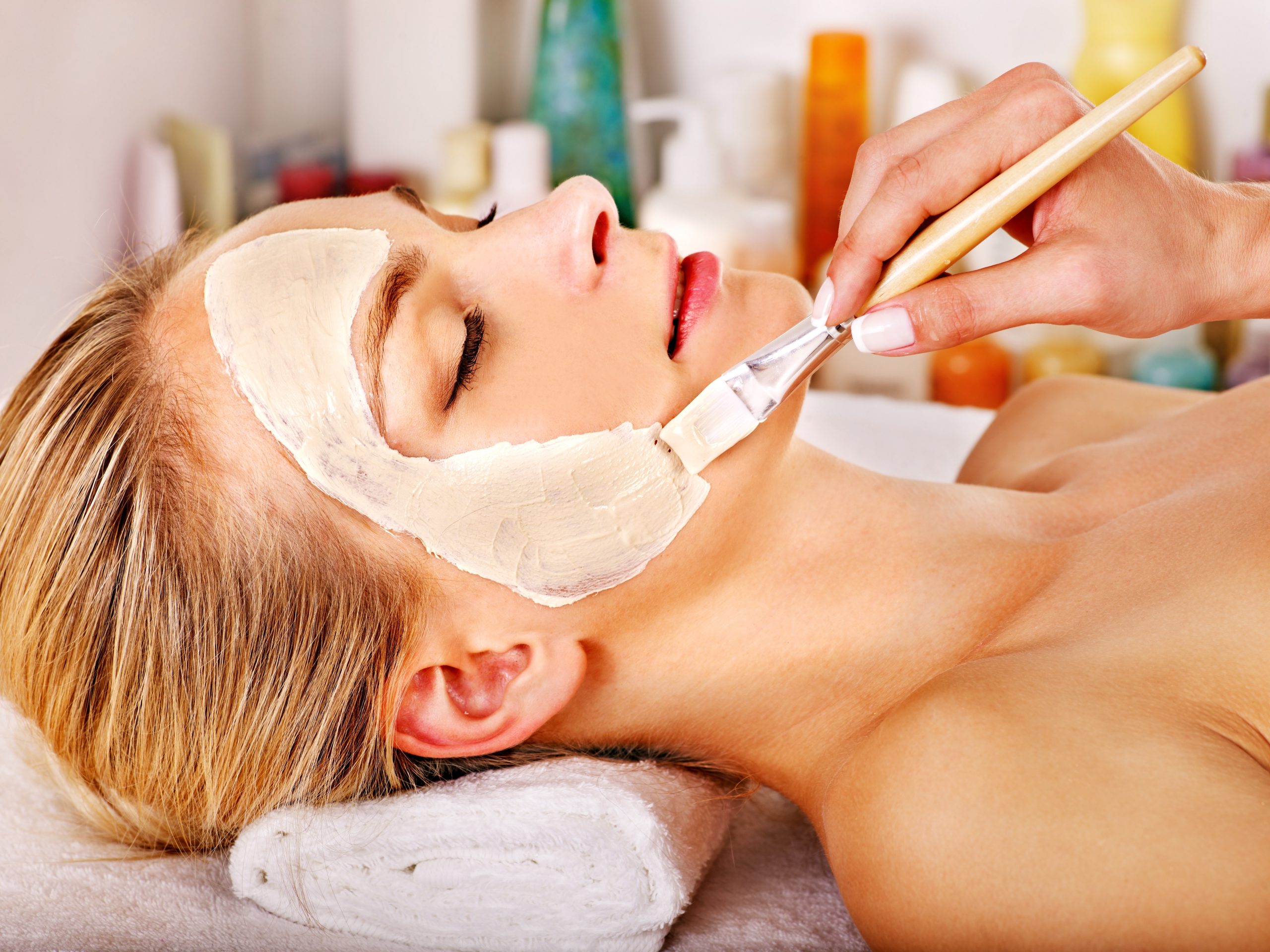
Matching the format to the goal matters because delivery method affects how peptides penetrate skin. Hydrogel masks, for instance, create a closed environment that can enhance absorption compared to a quick-rinse treatment, which is one reason some lines position mask formats for recovery after in-office procedures.
What to Check Before Buying
A few practical checks can help determine whether a peptide product is likely to perform as described.
1. Look for named, specific peptides (such as palmitoyl pentapeptide-4) rather than vague references to “peptide technology.”
2. Check whether the brand references clinical testing, tissue studies, or before-and-after data tied to a specific formula.
3. Confirm the product is formulated by or in consultation with a dermatologist or plastic surgeon, which can indicate a more clinical development process.
4. Review packaging for light- and air-exposure protection, since peptides can degrade with instability in poorly sealed containers.
Ingredient transparency is a useful filter. Formulas that disclose the number of active peptides and their individual roles, rather than listing a proprietary blend without detail, generally allow for more informed comparison across brands available throughout the USA.
Frequently Asked Questions
How long does it take to see results from peptide skincare? Visible changes in firmness or texture are typically gradual, often reported over several weeks of consistent use in clinical peptide studies rather than overnight.
Can peptide products be used alongside retinoids or acids? Many peptide formulas are designed to be gentler than retinoids or exfoliating acids, making them suitable for layering, though patch testing is advised when combining multiple active ingredients.
Are peptide masks different from everyday peptide serums? Masks generally provide a more concentrated, occlusive application meant for periodic use, while serums are formulated for daily layering into a routine.
Is medical supervision needed to use peptide skincare? Over-the-counter peptide products do not typically require medical supervision, though individuals recovering from a procedure may benefit from guidance on timing and product selection.
Skincare routines built around peptides tend to work best when formula type, concentration, and skin goal are aligned before purchase. Additional background on physician-formulated peptide products, including ingredient details published for Contact NakedBeauty MD, is available for reference when comparing options.
Published contact information and business details for Contact NakedBeauty MD are available for reference when researching peptide-based skincare options.