Key point:
• A pediatric dentist focuses on children’s oral development from first teeth through adolescence, using child-sized equipment and behavior-management techniques.
• Dental organizations recommend scheduling a first checkup by age one or within six months of the first tooth erupting.
• Comparing credentials, comfort options, and age focus helps families in Kelowna choose the right care.
Children’s teeth, jaws, and behavior differ enough from adults’ that a dedicated pediatric dental provider is often the better choice for early checkups and treatment. A pediatric dentist completes additional training beyond general dental school specifically focused on infants, children, and teenagers, including those with special healthcare needs.
Selecting the right provider involves more than proximity. Parents typically weigh training background, the office’s approach to anxiety management, and whether the practice treats a wide age range under one roof.
What Sets Pediatric Dental Care Apart
General dentists treat patients of all ages, while a children’s specialist trains exclusively in pediatric oral health after dental school. This additional education covers growth and development, behavior guidance, and conditions unique to young patients.
Key distinctions include:
• Specialized training in managing dental anxiety in young children
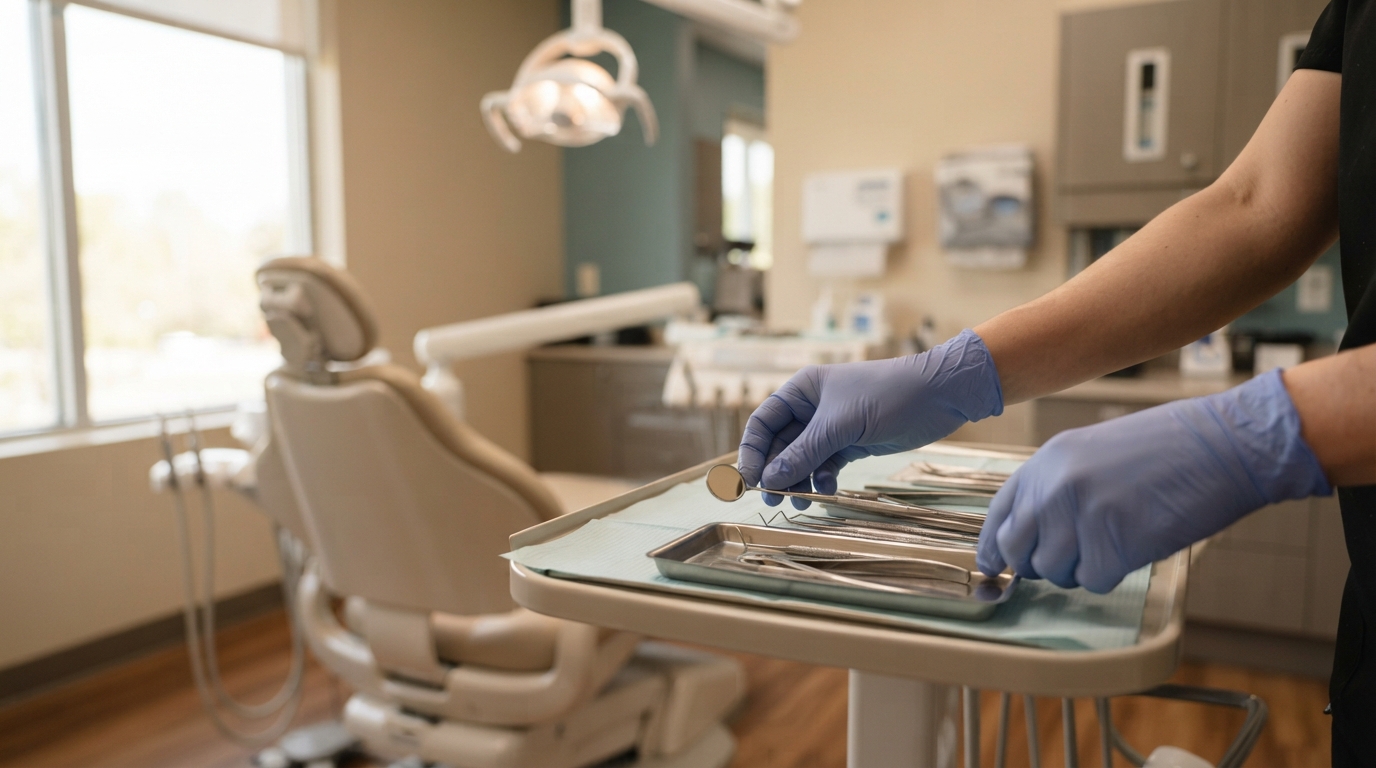
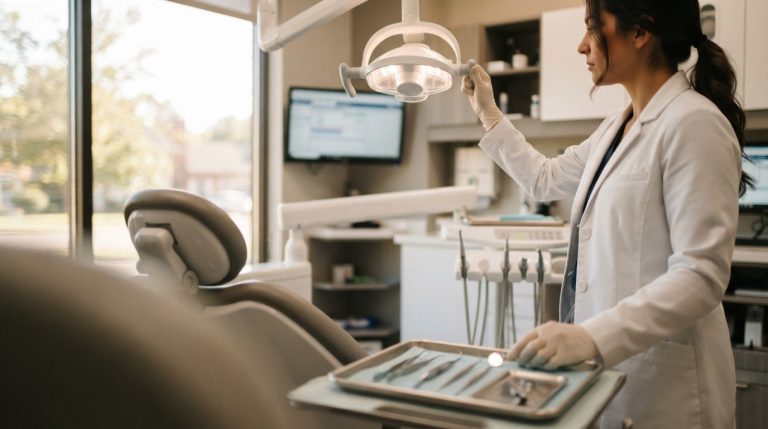
• Equipment and office design scaled for smaller patients
• Experience with early childhood caries and preventive interventions
• Familiarity with developmental milestones tied to tooth eruption and jaw growth
According to the American Academy of Pediatric Dentistry guidance summarized by a peer-reviewed family medicine source, children should have an initial oral evaluation within six months of the first tooth erupting and no later than 12 months of age. This timeline exists because tooth decay can begin as soon as the first tooth appears, making early monitoring more effective than waiting until problems surface.
Comparing Provider Options for Families
Families in Kelowna generally choose among a few practice types when seeking dental care for children. Each has trade-offs worth weighing before booking an appointment.
| Provider Type | Age Range Focus | Typical Setting | Best Fit For |
| Pediatric-only specialist | Infants through teens | Child-focused office design | Children with anxiety or complex needs |
| General family dental practice | All ages, including kids | Shared adult and child care | Families wanting one provider for everyone |
| School or community dental clinic | School-age children | Basic screening setting | Routine screenings, limited treatment |
A family dental practice that treats children alongside adults can simplify scheduling for households with multiple age groups, since everyone can be seen at the same location. This approach works well when a child’s needs are straightforward, and the practice has staff comfortable working with younger patients.
Questions to Ask Before Booking
A short conversation before the first visit can clarify whether a practice fits a family’s needs. Consider asking:
1. What age groups does the practice typically treat?
2. What comfort or sedation options exist for anxious children?
3. How does the practice handle emergency visits outside regular hours?
4. Does the office accommodate children with additional sensory or medical needs?
Comfort measures matter because early negative experiences can shape a child’s attitude toward dental visits for years. Offices that explain procedures in simple terms and allow extra time for nervous patients tend to produce calmer long-term patients.
Based in Canada, Glenmore Dental serves patients across Kelowna, offering general, pediatric, and sedation dental services for families seeking continuity of care across age groups. Details about pediatric dental services, including options for anxious or younger patients, are published.
Frequently Asked Questions
At what age should a child see a dentist for the first time? Dental organizations recommend scheduling the first visit within six months of the first tooth erupting or by the child’s first birthday, whichever comes first, according to the American Academy of Pediatric Dentistry recommendations referenced in family medicine literature.
Is a pediatric specialist necessary, or can a general dentist treat children? Many general dental practices treat children effectively, especially for routine checkups; a pediatric specialist’s added training matters more for children with significant anxiety, special needs, or complex treatment needs.
How often should young children have dental checkups? Most children benefit from checkups roughly every six months, though frequency can vary based on cavity risk and individual oral health history.
What should parents bring to a first dental visit? Bringing any prior dental records, a list of current medications, and information about feeding or oral habits helps the provider build an accurate picture of the child’s needs.
You can review scheduling details and office hours for pediatric dental appointments through Glenmore Dental.