Key point:
- An audiologist is a licensed hearing health professional who diagnoses hearing and balance disorders and recommends treatment, including hearing aids.
- In Charlotte, NC, audiology services typically include diagnostic hearing evaluations, hearing aid fittings, tinnitus assessment, and earwax removal.
- Roughly 15% of American adults report some degree of hearing difficulty, and the rate rises sharply after age 60.
An audiologist is a licensed healthcare professional trained to evaluate, diagnose, and manage hearing and balance disorders, as well as recommend or fit hearing aids when amplification is needed. For residents searching for an audiologist in Charlotte, NC, Bowles Hearing Care Services, PC is a resource to consider for professional hearing care. Understanding the role of an audiologist can help individuals recognize when hearing difficulties, persistent ringing in the ears, or balance concerns warrant a professional evaluation rather than a wait-and-see approach. Early assessment can help patients better understand their hearing health and explore appropriate care options.
Hearing loss is widespread but often goes unaddressed for years. According to NIDCD data cited in a 2025 review, 15% of American adults ages 18 and older report some trouble hearing, and 28.8 million U.S. adults could benefit from hearing aids. The same data shows a significant treatment gap: among the roughly 28.8 million U.S. adults who could benefit from hearing aids, fewer than 1 in 5 actually use them.
What an Audiologist Actually Does
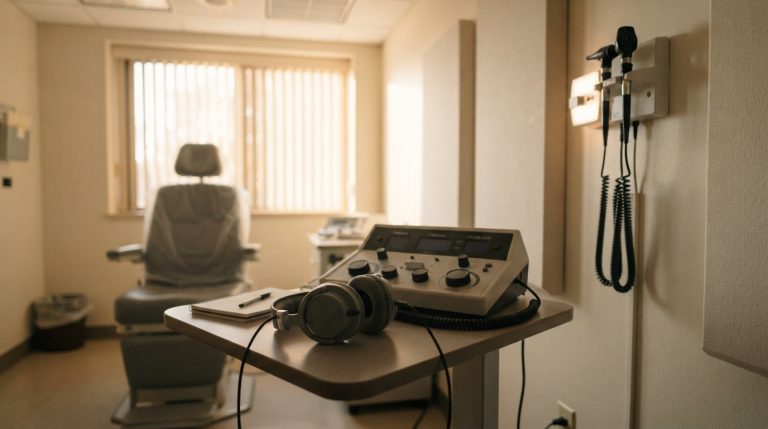
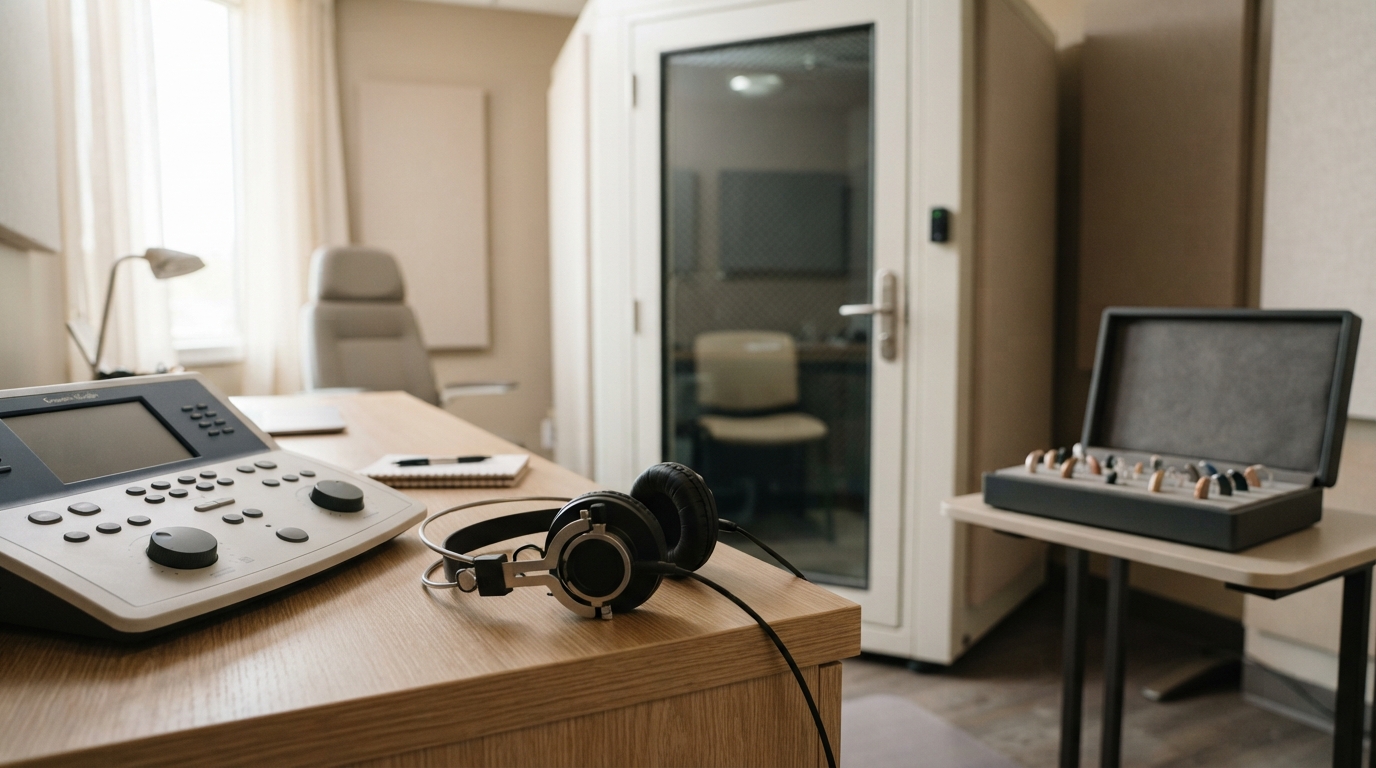
Audiologists perform diagnostic work that goes well beyond a basic hearing screening. Their training allows them to pinpoint the type, degree, and likely cause of hearing loss before recommending a course of action.
Common components of an audiology evaluation include:
- Pure-tone and speech audiometry to measure hearing thresholds across frequencies
- Speech-in-noise testing to assess how well a patient understands conversation in challenging listening environments
- Tinnitus assessment to evaluate ringing, buzzing, or other phantom sounds
- Earwax (cerumen) removal when buildup is affecting hearing clarity
- Hearing aid fitting and verification, including real-ear measurement to confirm devices are amplifying sound correctly inside the ear canal
As the NIDCD explains, an audiologist has specialized training in identifying and measuring the type and degree of hearing loss, and some audiologists may be licensed to fit hearing aids. This dual role, diagnosis plus treatment, is what distinguishes audiology from a simple retail hearing aid sale.
Why Age and Noise Exposure Matter
Hearing loss is strongly tied to age, though noise exposure and certain health conditions play a role at any age. The NIDCD notes that presbycusis, or age-related hearing loss, is one of the most common conditions affecting older adults, and that age-related hearing loss typically affects both ears equally as sensory hair cells gradually decline.
Age Group |
Approximate Prevalence of Hearing Difficulty |
|
45-54 |
About 5% |
|
55-64 |
About 10% |
|
65-74 |
About 1 in 3 |
|
75 and older |
Nearly half |
Because hearing loss develops gradually, many people adjust without realizing how much clarity they have lost, which is one reason routine evaluation matters even without obvious symptoms.
Finding Audiology Care in Charlotte, NC
Residents of Charlotte, NC, have access to in-office audiology evaluations that combine diagnostic testing with device fitting and follow-up adjustments. A typical visit includes a review of hearing history, diagnostic testing, and a discussion of results before any treatment recommendation is made.
Practical steps before a first visit:
1. Note any specific listening situations that feel difficult, such as group conversations or phone calls
2. Bring a list of current medications, since some can affect hearing
3. Ask whether insurance coverage applies to diagnostic testing or hearing aid fittings
4. Request real-ear measurement verification if a hearing aid fitting is recommended
These steps help ensure the evaluation addresses the specific concerns a patient brings into the appointment, rather than relying on general assumptions about hearing loss.
Frequently Asked Questions
What is the difference between an audiologist and a hearing instrument specialist? An audiologist completes extensive clinical training in diagnosing hearing and balance disorders, while a hearing instrument specialist primarily focuses on fitting and selling hearing aids without the same diagnostic scope.
How often should hearing be tested? There is no single universal interval, but adults who notice changes in hearing, experience ringing in the ears, or have ongoing noise exposure should schedule an evaluation promptly rather than waiting for symptoms to worsen.
Can earwax buildup cause hearing problems? Yes. Excess earwax can block sound from reaching the eardrum, and professional removal during an audiology visit can resolve hearing difficulty without further intervention.
Does Medicare or insurance cover audiology visits? Coverage varies by plan and by whether the visit is diagnostic or device-related, so confirming benefits directly with an insurance provider before scheduling is recommended.
Business Information and Next Steps
Bowles Hearing Care Services, PC is a hearing care practice based in Charlotte, NC, serving patients in the surrounding area, with additional details available through its Bowles Hearing Care Services, PC Google Business Profile.
Published hearing care details for the Charlotte, NC area, including Visit Bowles Hearing Care Services, PC on Google, are available for residents researching local audiology options.