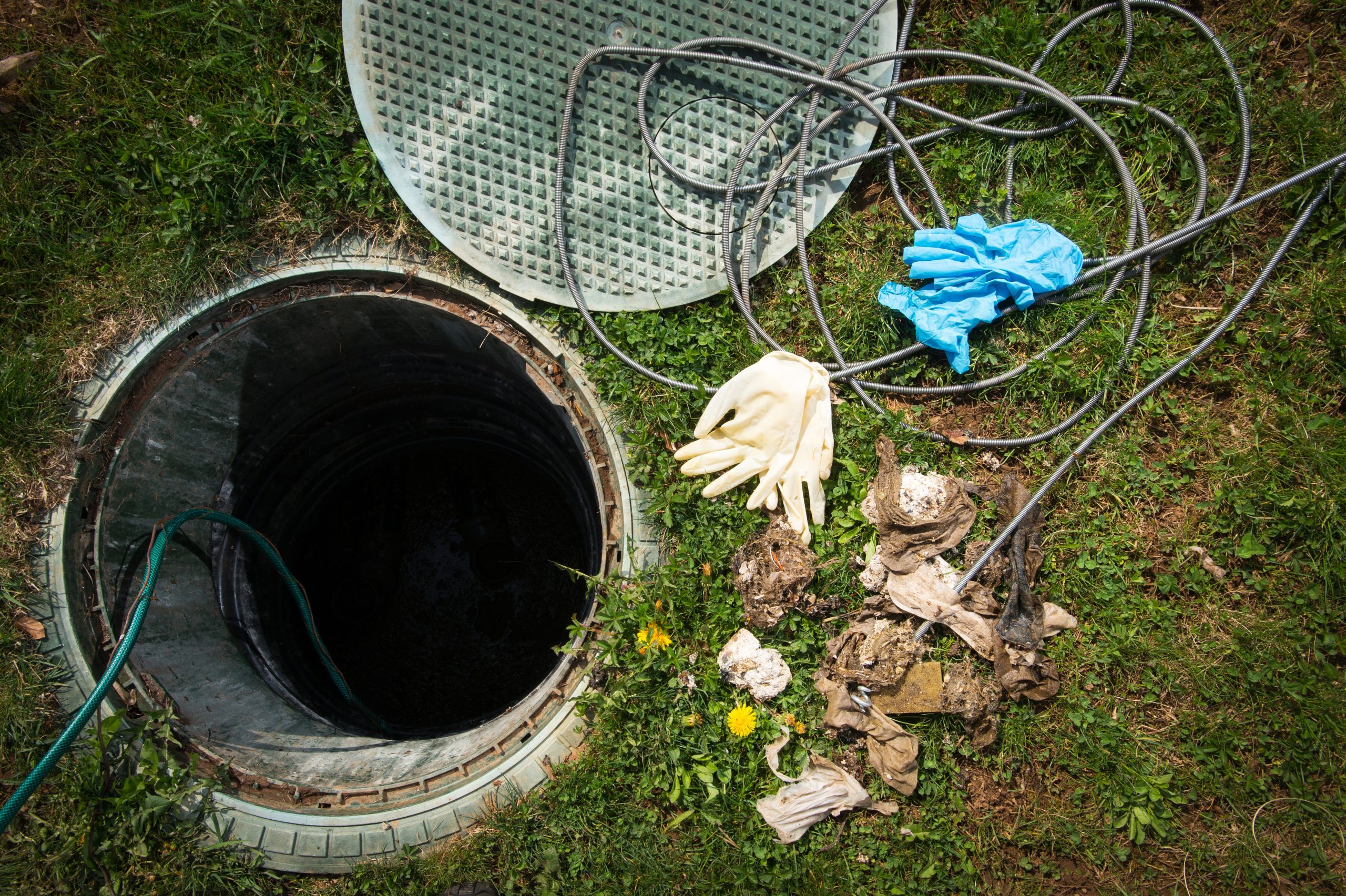
In short:
- Most household septic tanks need pumping every 3 to 5 years, depending on tank size, household size, and water use.
- Warning signs of an overdue tank include slow drains, gurgling pipes, and standing water near the drain field.
- Regular pumping protects the drain field and lowers the risk of costly repairs or system failure.
A septic tank generally needs pumping every three to five years, though the right interval depends on household size, tank capacity, and daily water use. Understanding that baseline, and recognizing the warning signs between service visits, helps property owners avoid backups and extend the life of a drain field.
Scheduling regular Septic Pumping removes accumulated sludge and scum before they overwhelm a tank’s capacity. Skipping this maintenance step is one of the most common causes of septic system failure, since solids that are never removed eventually migrate into the drain field and clog the soil that treats wastewater.
How Often Pumping Is Actually Needed
National guidance offers a useful starting point, but the right schedule for any given property depends on a handful of variables.
- Household size: More occupants means more wastewater and faster solids accumulation.
- Tank size: A 1,000-gallon tank serving a family of four generally needs pumping more often than a larger tank serving the same household.
- Water usage habits: Garbage disposals, frequent laundry, and high water use shorten the interval between pump-outs.
According to the EPA’s SepticSmart program, household septic tanks are typically pumped every three to five years, with a professional inspection recommended at least every three years. The agency also notes that the volume of wastewater generated and the amount of solids entering the tank both influence how quickly that interval should be shortened.
Signs a Tank Is Overdue for Service
Waiting for a visible problem before scheduling service usually means the tank has already been full for some time. Common warning signs include:
- Slow draining sinks, tubs, or toilets throughout the house
- Gurgling sounds in plumbing fixtures
- Standing water, unusually green grass, or odors near the drain field
- Sewage backup inside the home, which signals an urgent issue
Any of these symptoms warrant a prompt inspection rather than waiting for the next scheduled appointment.
Climate and Soil Considerations for Helena, MT
Seasonal freeze-thaw cycles and clay-heavy soils common in parts of Helena, MT can affect how quickly a drain field absorbs wastewater, particularly during spring runoff or after a hard winter. Homes on properties with shallow soil depth or high groundwater may also need more frequent monitoring between pump-outs. Property owners in the area benefit from tracking their last service date and watching for slow drainage after seasonal weather shifts.
Pumping Frequency by Household Size
| Household Size | Typical Tank Size | General Pumping Interval |
| 1-2 people | 1,000-1,250 gallons | 5-7 years |
| 3-4 people | 1,000 gallons | 3-4 years |
| 5-6 people | 1,000-1,500 gallons | 2-3 years |
| Garbage disposal in use | Any size | Shorten interval by 1-2 years |
These figures are general estimates; an inspection that measures actual sludge and scum depth remains the most reliable way to confirm timing for a specific property.
Frequently Asked Questions
How do I know what size my septic tank is? Tank size is typically recorded on a permit filed with the county or state health department, or it can be confirmed during a professional inspection.
Does pumping fix slow drains permanently? Pumping removes accumulated solids, which often resolves slow drainage, but recurring issues after service may point to a separate problem in the drain field or pipes.
Can additives replace the need for pumping? No. Septic additives do not reduce the need for scheduled pumping, since solids still accumulate in the tank regardless of biological or chemical treatments.
Is a county inspection required before pumping? Requirements vary by jurisdiction, so property owners should confirm local health department rules before scheduling work on a septic system.
Business Info
Capital Septic covers septic pumping, inspections, maintenance, and repair work for residential, commercial, and community systems across the Helena area. Capital Septic Service serves customers across Helena, MT, and the surrounding region.
Finding Service Records and Area Coverage
Published details for Capital Septic Service cover septic service availability for the Helena, MT area.
