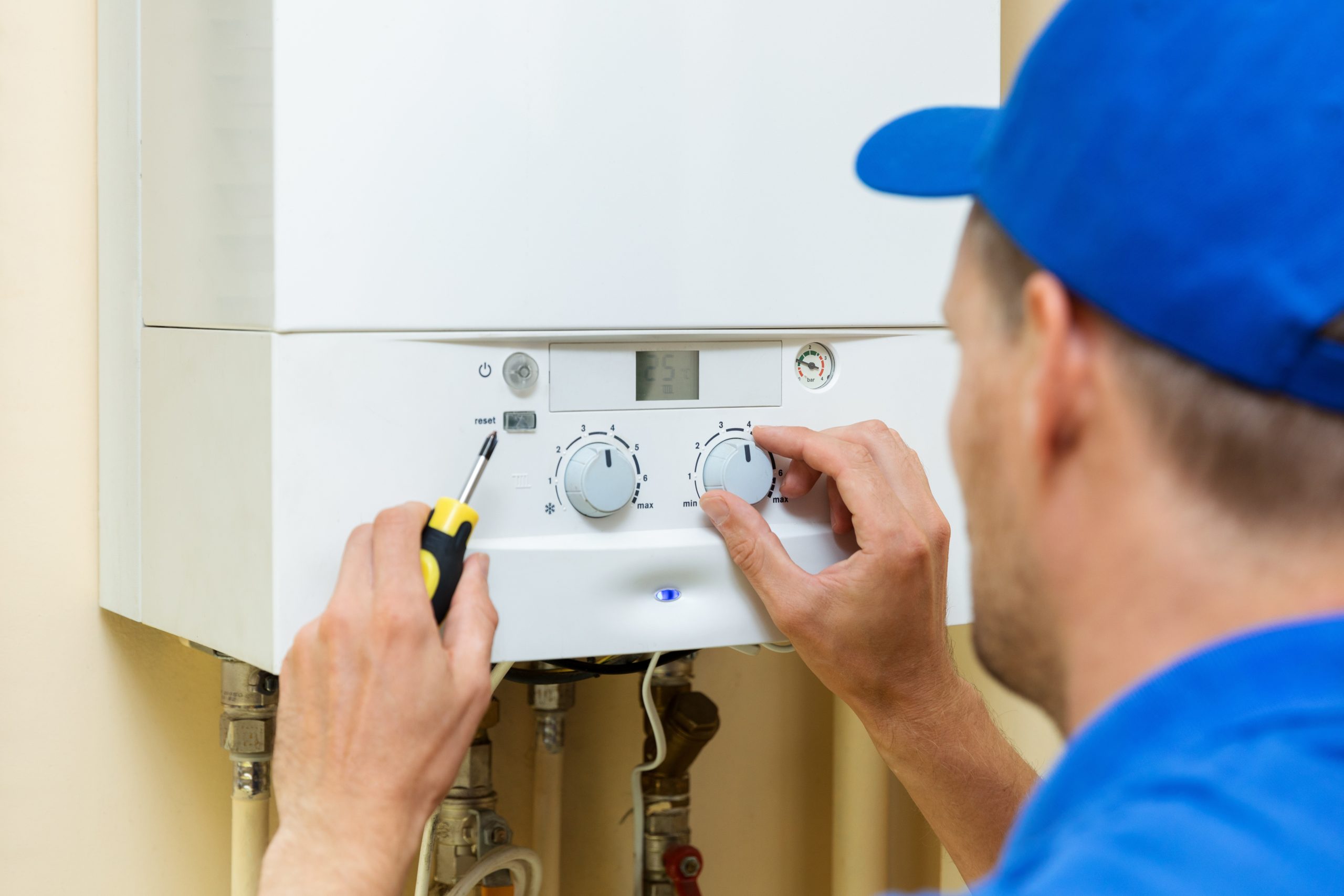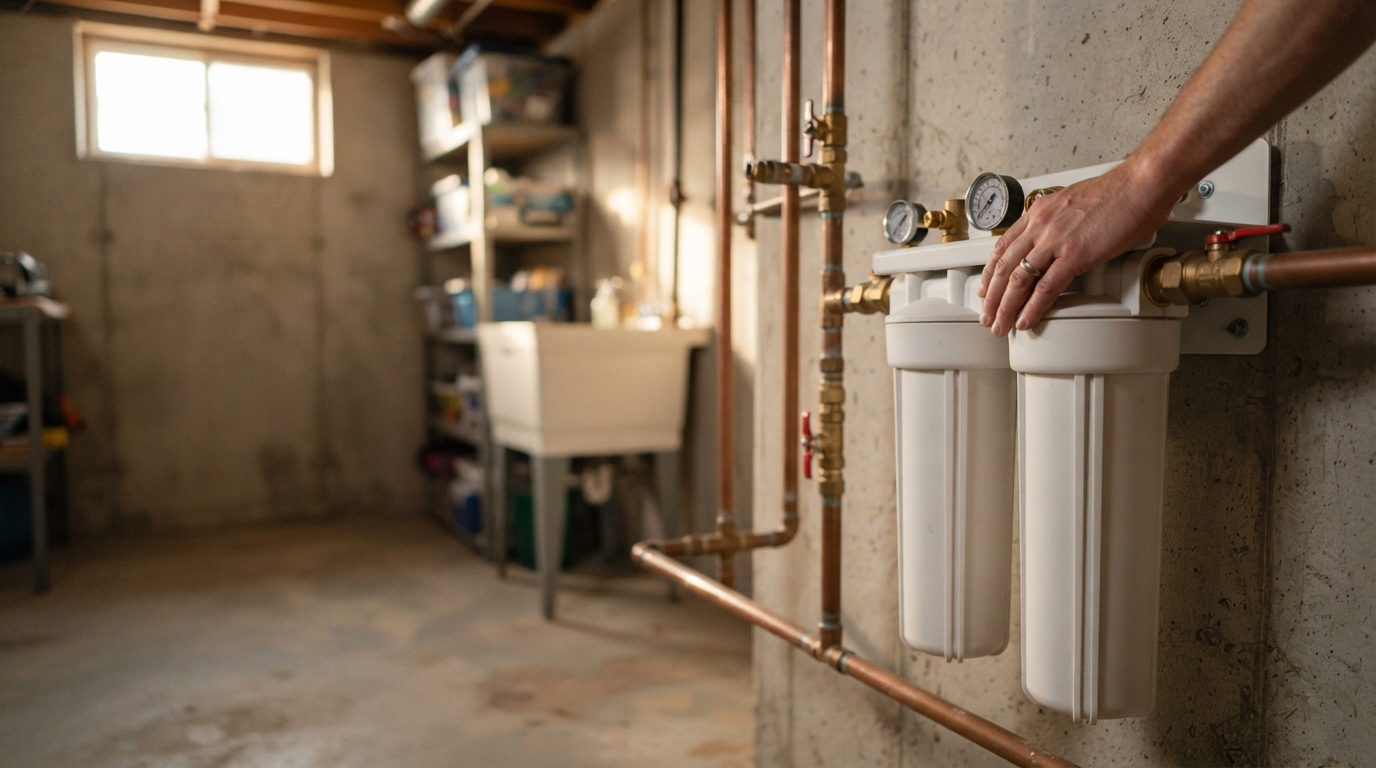
Richfield homeowners researching water treatment options usually want one thing: a straightforward way to know their tap water is safe and tastes clean without guesswork. A licensed, local water filtration company in Richfield, MN can test your water, recommend the right system for your home’s plumbing, and handle installation correctly the first time.
Minnesota’s municipal water supplies generally meet federal safety standards, but that does not mean every home has ideal water quality. Hard water minerals, chlorine taste, and aging pipe sediment are common complaints across the Twin Cities metro, and these issues often call for a dedicated filtration solution rather than a one-size-fits-all fix.
Why Water Quality Varies Across Richfield Homes
Water quality is not uniform even within a single city. Older homes with galvanized or copper piping can introduce sediment or metallic taste that newer construction does not experience. According to the EPA’s safe drinking water act information, public water systems must meet enforceable standards, but secondary issues like taste, odor, and hardness fall outside strict regulation and are left to homeowners to manage.
Common water quality complaints in the region include:
- Hard water spots on fixtures and glassware
- Chlorine odor or taste from municipal treatment
- Sediment or discoloration during water main work
- Slow-draining fixtures caused by mineral buildup over time
Each of these issues points toward a different filtration or treatment approach, which is why a professional water assessment matters more than guessing based on symptoms alone.
What a Professional Water Filtration Assessment Involves
A proper evaluation starts with understanding your water source and household usage before any equipment gets recommended. Southtown Plumbing offers water filtration system services that begin with assessing a home’s water conditions and plumbing layout. This step prevents homeowners from overpaying for filtration capacity they do not need or underestimating a hard water problem.
A typical assessment process includes:
- Reviewing the home’s water source and any known municipal treatment reports
- Testing for hardness, sediment, and common taste or odor issues
- Inspecting existing plumbing to confirm compatibility with filtration equipment
- Recommending a system sized appropriately for household water usage
This structured approach reduces the risk of installing an undersized or mismatched system that fails to solve the original complaint.
Comparing Common Residential Filtration Approaches
Homeowners often encounter several filtration categories when researching options. The table below outlines general differences to help frame a conversation with a plumbing professional, not a specific product recommendation.
| Filtration Type | Primary Purpose | Maintenance Need |
| Whole-house carbon filter | Reduces chlorine taste and odor | Periodic filter cartridge replacement |
| Water softener | Addresses hardness and scale buildup | Regular salt or media refill |
| Point-of-use filter | Targets a single tap, often kitchen sink | Frequent cartridge changes |
| Sediment pre-filter | Removes particulates before other treatment | Routine filter swaps |
Choosing between these options depends on the specific issue a household is trying to solve, which reinforces why an in-home assessment is more useful than a generic online purchase.
Installation and Ongoing Maintenance Considerations
Correct installation affects both water pressure and filter performance, so this step should not be treated as optional or purely DIY. A system installed without proper attention to existing plumbing can create leaks, reduce flow, or shorten equipment lifespan. Ongoing maintenance, including scheduled filter changes, keeps the system performing as intended rather than silently degrading over months of use.
Homeowners should ask any provider about:
- Expected filter replacement intervals for the specific system installed
- Warranty coverage on both equipment and labor
- Signs that indicate a filter needs earlier replacement
- Whether annual water retesting is recommended
These questions help set realistic expectations for long-term system performance rather than assuming a single installation solves water quality permanently.
Frequently Asked Questions
How do I know if my Richfield home needs water filtration?
Noticeable chlorine taste, hard water spots, or sediment during municipal water main work are common signs worth investigating with a professional water test.
Is municipal tap water in Minnesota already safe without filtration?
Public water systems are required to meet federal safety standards, though taste, odor, and hardness issues are not always addressed by municipal treatment alone.
How often do whole-house filtration systems need maintenance?
Maintenance frequency depends on the system type and household water usage, so it is best confirmed during installation based on the specific equipment chosen.
Can one filtration system solve every water quality issue?
Not always. Different systems target different problems, such as hardness versus chlorine taste, so some homes benefit from a combination approach.
Reliable water filtration begins with an honest assessment of what is actually in your water, not a generic equipment purchase. Homeowners in Richfield who want that clarity can start with a professional evaluation from Southtown Plumbing, where water quality testing and system recommendations are based on each home’s actual plumbing and water conditions.