Essentially:
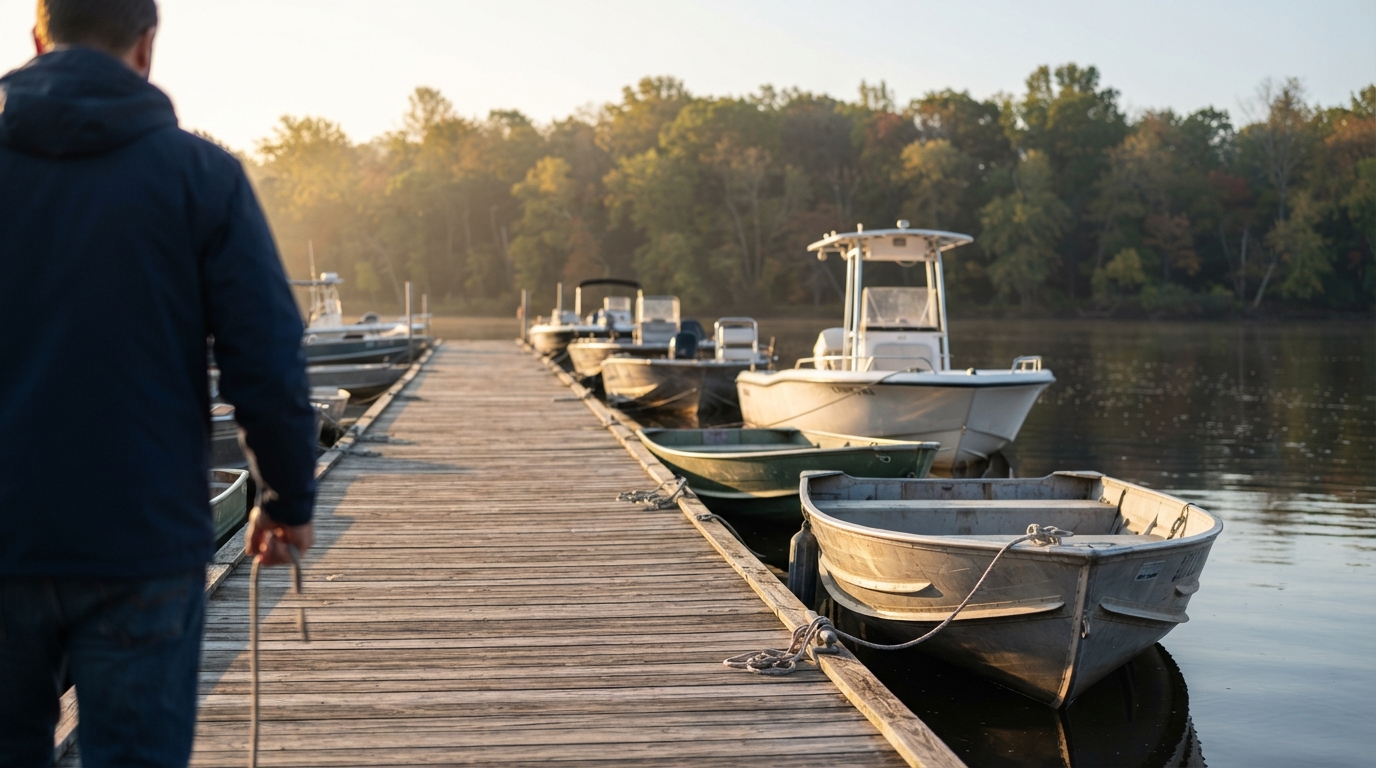
- Fishing boats for sale in Jefferson County range from compact aluminum models to deck and pontoon-style fish-and-ski layouts suited to the St. Lawrence River and Lake Ontario.
- Matching hull size, livewell setup, and storage to your typical water conditions matters more than brand alone.
- Local dealers that stock multiple marine brands make it easier to compare layouts side by side before you buy.
Anyone searching for the right boat wants a hull that matches local water conditions, holds up to seasonal use, and fits a realistic budget. The clearest way to compare real inventory and pricing is to look at Fishing Boats For Sale in Jefferson County, NY listings directly, since availability shifts throughout the season as new and used models move in and out of stock.
Jefferson County’s mix of open lake water on Lake Ontario and calmer river channels along the St. Lawrence means no single hull type works for every angler. A boat built for sheltered bays will handle differently than one designed for open-water chop, so matching the hull to where you actually fish matters more than matching it to a brand name.
What to Look for in a Fishing Boat Hull and Layout
Hull material and depth affect how a boat rides in rougher water and how much gear it can carry without feeling cramped.
- Aluminum fishing boats: lighter, easier to trailer, and common in compact models built for rivers and protected bays.
- Fiberglass and deck boats: generally heavier and more stable in open water, often with more finished seating and storage.
- Livewells and rod storage: check capacity and placement before buying, since this affects how long fish stay fresh and how much deck space remains clear.
- Deck layout: wide, flat decks reduce tripping hazards and make casting from multiple angles easier.
Buyers comparing options should also weigh usage patterns. A boat used mostly for weekend trips near shore has different priorities than one taken onto open lake water for longer runs.
Matching Boat Size to Local Water Conditions
Jefferson County anglers fish everything from narrow river channels to the open expanse of Lake Ontario, so boat length and freeboard height should reflect where most trips happen.
| Water Type | Recommended Boat Style | Typical Length Range |
| Sheltered bays, rivers | Aluminum fishing boats | 14-18 ft |
| Mixed lake and river use | Fish-and-ski or multi-purpose boats | 18-20 ft |
| Open lake, longer runs | Deck boats or larger fiberglass hulls | 20 ft and up |
Smaller aluminum boats are easier to launch at narrow ramps and tow with lighter vehicles, which matters for anglers who move between multiple access points along the river. Larger deck boats trade some of that maneuverability for stability and passenger capacity, which suits groups fishing open lake water or combining fishing trips with general recreation.
Registration and Safety Requirements Before You Buy
Every motorized boat purchased for use on New York waters needs to be registered with the state before it goes in the water. According to the New York State DMV, boat owners must show proof of ownership, a completed registration application, and proof of sales tax payment to complete registration. Buyers should also confirm which safety equipment is required for the specific hull size and type, since requirements can differ for smaller aluminum boats versus larger deck or pontoon-style vessels.
Checking registration steps before finalizing a purchase helps avoid delays once the boat is ready for the water. Dealers familiar with New York titling rules can often walk buyers through the paperwork at the point of sale, which simplifies the process for first-time boat owners.
New Versus Used Fishing Boats
Deciding between new and used inventory often comes down to budget, maintenance history, and how quickly a buyer wants to get on the water.
- New boats: current-year hulls, manufacturer warranties, and the latest livewell or storage configurations.
- Used boats: lower upfront cost, but buyers should closely inspect hull condition, engine hours, and trailer wear.
- Factory clearance inventory: previous-model-year boats sometimes carry reduced pricing while still being unused.
Comparing a few options side by side, whether new or used, makes it easier to spot differences in deck layout, storage, and overall condition before committing.
Frequently Asked Questions
What size fishing boat works best for the St. Lawrence River? 14- to 18-foot aluminum boats tend to handle narrower channels and shallower areas well while still offering enough stability for casting and storage.
Do I need to register a new fishing boat before using it in Jefferson County? Yes. Any motorized vessel operated on New York public waters must be registered with the state DMV, and that process includes proof of ownership and sales tax payment.
Is a deck boat or an aluminum boat better for open lake fishing? Deck boats and larger fiberglass hulls generally offer more stability in open-water conditions like those on Lake Ontario, while aluminum boats suit calmer, more sheltered fishing spots.
Should I buy new or used if I am fishing seasonally? Seasonal anglers often find used boats or factory clearance models offer a lower entry cost, but it is worth inspecting hull and motor condition closely regardless of age.
Choosing the right fishing boat means matching hull type, size, and layout to the water you plan to fish, then confirming registration and safety requirements before the season starts. Gambles Parts Online maintains a range of new and factory-clearance marine inventory at its Carthage location, making it a practical stop to compare fishing boat layouts in person. For current inventory details or to ask about a specific model, contact Gambles Parts Online directly.