Commercial parking lot patching should usually be completed before surface-level maintenance such as sealcoating, crack treatment, or new striping when damaged asphalt is actively failing. Repairing unstable areas first gives later maintenance work a more suitable surface and helps avoid covering problems that still need structural attention.
For property owners and managers in Phoenix, AZ, the sequence of pavement work can affect both performance and project efficiency. A coordinated plan should consider the condition of the asphalt, the type of maintenance being scheduled, and whether repair areas need to be stabilized before the rest of the lot is treated.
Why Is Patching Usually Completed Before Surface Maintenance?
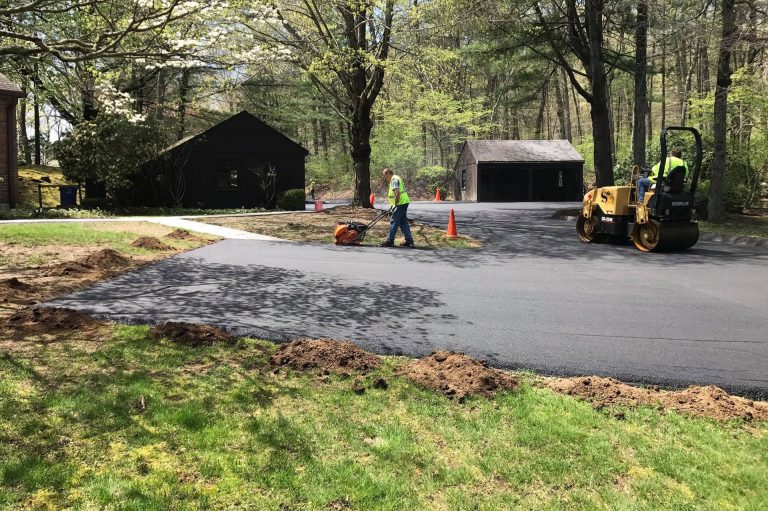
Patching is intended to address localized pavement damage such as potholes, broken sections, or areas where the asphalt has lost enough integrity to require removal and replacement.
Surface maintenance, by comparison, is generally designed to preserve asphalt that remains serviceable.
If a deteriorated section is sealcoated before proper commercial parking lot repair is completed, the coating may improve appearance temporarily, but it does not correct the weakened pavement underneath. The area may continue to crack, settle, or break apart.
Completing necessary repairs first allows later maintenance treatments to be applied over a more stable surface.
What Types of Damage Should Be Repaired First?
Not every visible pavement issue requires patching. However, certain conditions usually deserve evaluation before broader maintenance begins.
These may include:
-
Potholes
-
Broken or loose asphalt
-
Depressed pavement
-
Failed previous patches
-
Areas with severe localized cracking
-
Pavement damaged near utility work
-
Sections affected by concentrated vehicle loads
A professional assessment can help distinguish between pavement that needs parking lot repair and pavement that may still be suitable for preservation.
This distinction prevents property managers from using surface treatments in areas where actual asphalt replacement is more appropriate.
Should Crack Repair Happen Before or After Patching?
In many maintenance programs, damaged pavement sections are addressed first, followed by crack treatment in the surrounding areas.
The reason is straightforward: if a section is going to be removed and patched, there is little value in treating cracks inside that repair zone beforehand.
Once localized repairs are complete, remaining cracks in otherwise stable pavement can be addressed as part of a broader commercial asphalt maintenance plan.
This type of sequencing can make the overall project more organized and reduce duplicated work.
Should Sealcoating Be Done After Asphalt Repair?
Sealcoating is generally most appropriate after necessary pavement repairs have been completed and the repaired sections are ready for the next phase of maintenance.
Sealcoat is intended to protect and refresh existing asphalt surfaces. It is not a substitute for asphalt repair services when the pavement is already structurally damaged.
If repair work is completed first, sealcoating can then be planned across the remaining serviceable pavement as part of a more coordinated maintenance approach.
Property managers should also understand that newly patched asphalt may not always look identical to older surrounding pavement after coating. Differences in age, texture, and material can still remain visible.
When Should Parking Lot Striping Be Completed?
Striping is typically one of the final steps after repair and surface treatments are complete.
Applying new parking lines before patching or sealing can create unnecessary rework. Repair equipment may remove or damage fresh markings, while sealcoating can cover them entirely.
A practical sequence for many commercial parking lots may look like this:
-
Evaluate pavement condition
-
Complete necessary patching
-
Address remaining cracks
-
Apply appropriate surface maintenance
-
Restripe parking stalls and traffic markings
The exact order can vary depending on site conditions, but striping usually makes the most sense after the pavement work beneath it has been finished.
Can Concrete or Utility Work Affect the Maintenance Schedule?
Yes. Commercial parking lots often include more than asphalt alone.
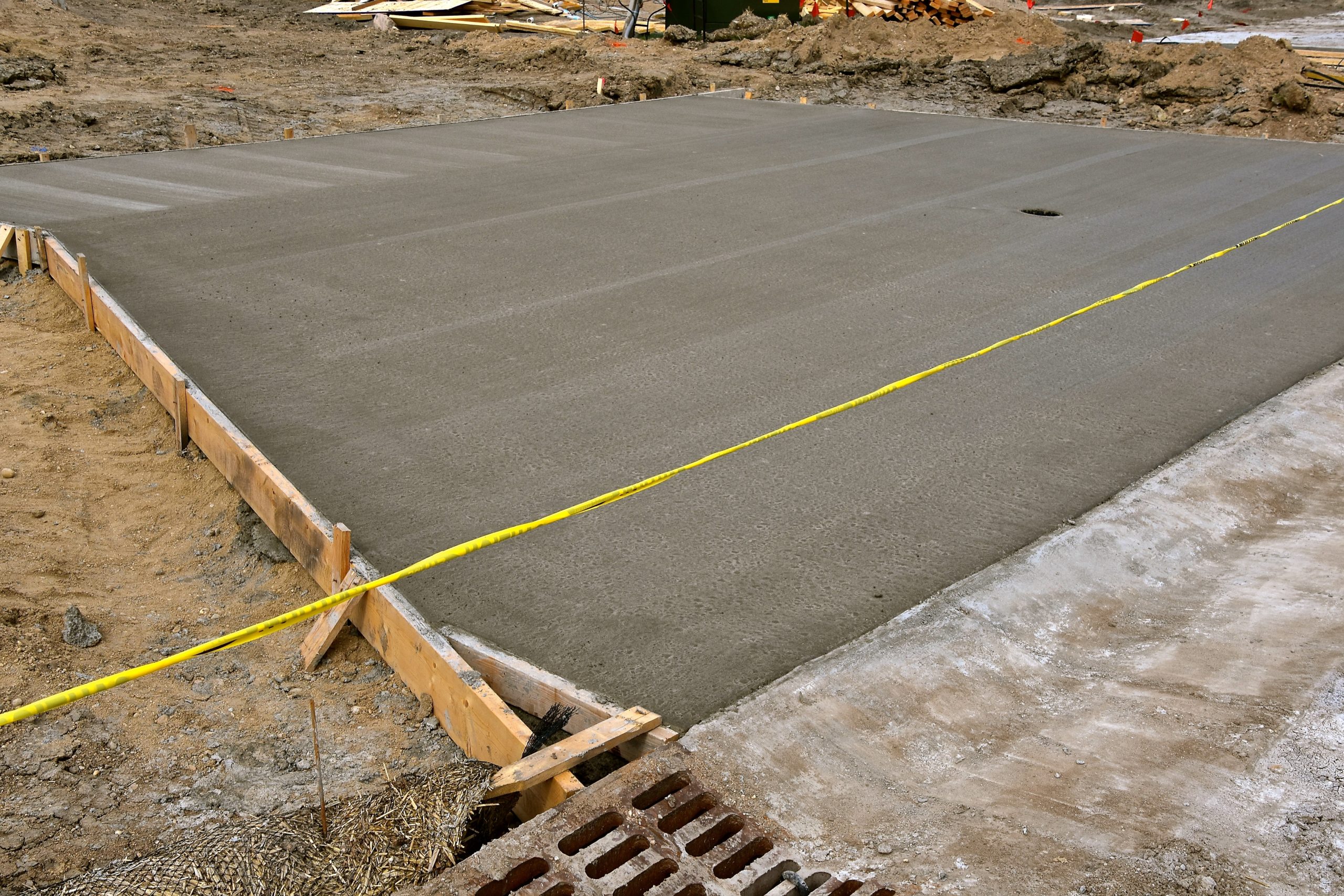
Concrete curbs, sidewalks, drainage features, utility structures, and transitions between materials can all affect how the project should be staged. If concrete work or utility adjustments are required, those activities may need to be coordinated before final paving or surface treatments are completed.
This is one reason broader commercial paving services can be useful when multiple pavement-related needs are present on the same property.
ALK Asphalt LLC provides commercial paving services for projects in the Phoenix area, including work that may involve asphalt repair, maintenance, and related pavement improvements.
What Happens If Maintenance Is Completed in the Wrong Order?
Poor sequencing can lead to duplicated work and shorter-lived results.
For example, sealcoating a damaged section before repairing it may mean that the newly coated area must soon be cut out. Striping before patching may require markings to be repainted. Completing an overlay before addressing utility elevations may also create transition issues.
The goal of planning is not simply to complete individual services. It is to make sure each service supports the next one.
For commercial properties, that can reduce unnecessary disruption and help the finished pavement system function more consistently.
Does Phoenix Climate Affect the Timing of Pavement Maintenance?
Phoenix pavement is exposed to intense heat, strong UV exposure, and seasonal weather changes that can affect asphalt over time.
These conditions make regular inspections especially useful. Small areas of deterioration can become more difficult to manage when they are left until a larger maintenance project is scheduled.
A proactive commercial asphalt maintenance program allows property managers to identify patching needs early, coordinate them with other planned work, and avoid treating damaged areas as though they were still structurally sound.
How Should Property Managers Plan Multiple Asphalt Services?
The best approach is to evaluate the parking lot as one system rather than scheduling each service independently.
Property managers should determine which areas require repair, which are suitable for preservation, and which finishing steps should happen later.
In most cases, localized asphalt failures should be corrected first. Crack treatment, sealing, and striping can then be scheduled around those completed repairs.
This approach helps reduce unnecessary overlap and supports more efficient parking lot repair planning.
What Is the Best Order for Commercial Parking Lot Maintenance?
There is no single sequence that applies to every property, but the general principle is consistent: repair unstable pavement before applying treatments designed to preserve or finish the surface.
For Phoenix commercial properties, that often means completing patching first, followed by appropriate crack treatment, surface maintenance, and striping.
A properly sequenced plan helps ensure that each stage of the project supports the next instead of creating additional work later.