How Gait Works: The “Chain Reaction” From Spine to Foot
Gait is the repeated cycle of standing on one leg, transferring weight, and pushing off. During normal walking:- The pelvis should rotate and shift smoothly side to side.
- The hips should extend behind you with each step.
- The knee should bend and straighten without collapsing inward.
- The ankle should flex forward (dorsiflex) so your foot can roll through.
- The foot should absorb impact, then stiffen for push-off.
Why Spine and Pelvic Mechanics can Trigger Foot, Knee, or Ankle Pain
The low back and pelvis influence how your legs line up under your body. When the trunk is stiff or posture is altered, common compensations include:Reduced hip extension
If the hips don’t extend well (often linked to prolonged sitting), the body may push off more through the knee and calf, increasing load on:- the front of the knee (patellofemoral stress)
- the Achilles tendon
- the plantar fascia under the foot
Pelvic imbalance or poor trunk control
When core and hip stabilizers aren’t doing enough, the knee may drift inward during walking or stairs. This can contribute to:- medial knee discomfort
- ankle strain (because the foot collapses inward to compensate)
- uneven wear patterns in shoes
Limited ankle mobility
A stiff ankle changes everything above it. If the ankle can’t flex forward, the body often:- turns the foot outward
- increases knee stress
- shifts more motion into the midfoot (which can worsen heel or arch pain)
Upper-back and neck posture effects
It’s not just the low back. Forward head posture and rounded shoulders can shift your center of mass forward, leading to shorter steps and heavier loading through the forefoot and knees over time.Common “Mechanics-Driven” Pain Patterns
While diagnosis requires an exam, these patterns frequently show up when gait mechanics are involved:- Heel/arch pain in the morning: often linked to foot load and calf tightness
- Pain going downstairs or after sitting: often linked to knee tracking and hip control
- Outer ankle soreness: can occur when stability is reduced or the foot rolls outward
- Recurring shin tightness: can appear when stride mechanics are shortened and calf workload rises
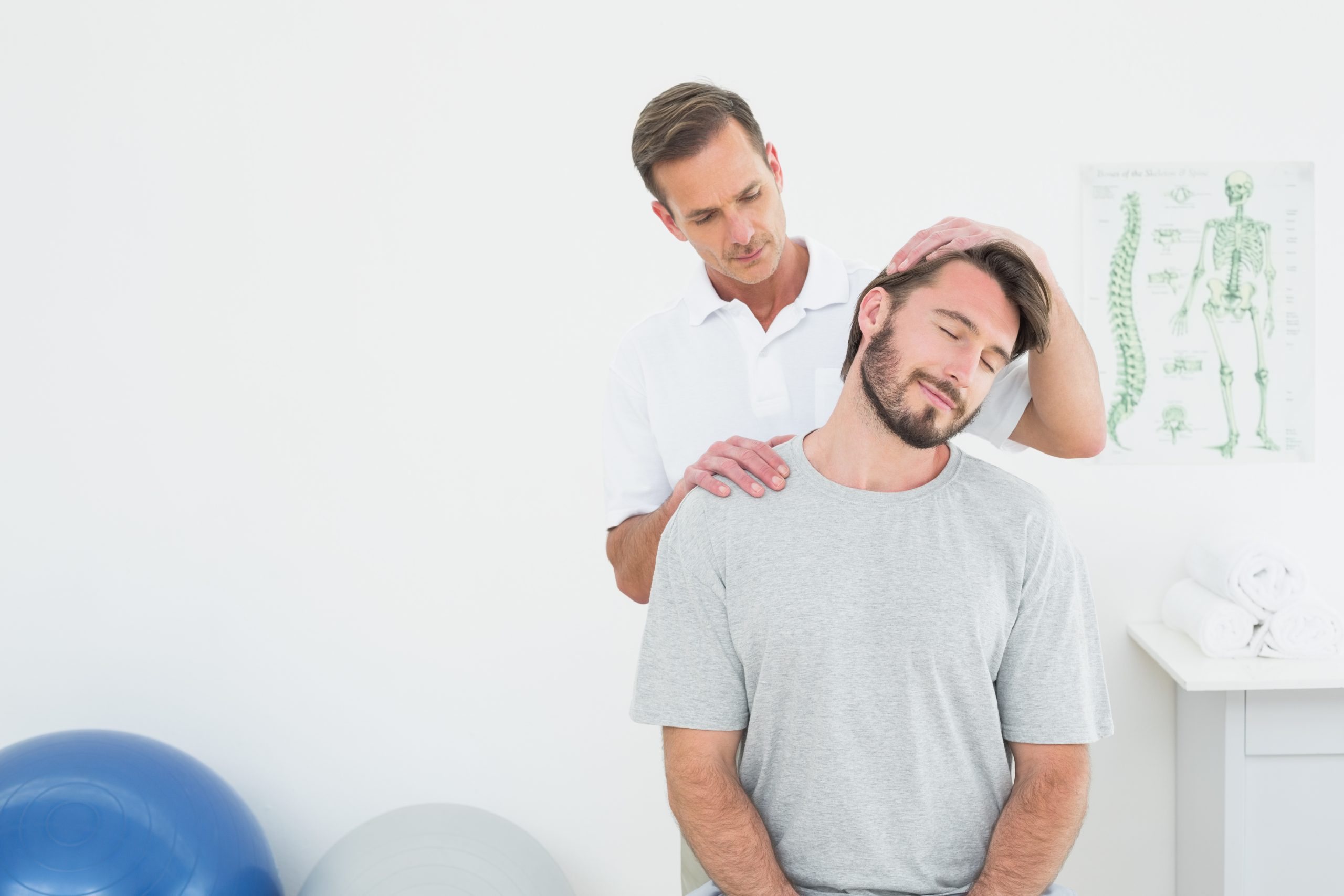
What a Chiropractor May Assess for Foot, Knee, and Ankle Complaints
When someone seeks help for lower-limb pain, a movement-focused evaluation typically looks beyond the painful area. Common checkpoints include:- Posture and standing alignment: where your weight sits (heels vs forefoot), pelvic tilt, trunk shift
- Gait observation: stride length, foot angle, knee drift, pelvic rotation
- Joint motion testing: ankle dorsiflexion, hip rotation, lumbar mobility
- Muscle performance: calf endurance, glute activation, single-leg stability
- Provocation patterns: what movements reproduce symptoms (stairs, squats, walking speed)
Practical Steps That Support Foot Pain Relief and Knee/Ankle Mechanics
If your symptoms are mild and stable, these general steps can help support better mechanics while you monitor progress:1) Restore ankle mobility (gentle)
- Knee-to-wall ankle rocks (slow, controlled)
- Heel-down calf stretches (avoid forcing pain)
2) Strengthen hip stabilizers
- Side steps with a band (small steps, steady control)
- Single-leg balance near a counter (start with 10–20 seconds)
3) Improve walking “inputs”
- Short, frequent walks instead of one long walk when flared
- Think “tall posture” with relaxed shoulders
- Avoid overstriding (landing too far in front of your body)
4) Use shoes strategically
- Worn-out soles can worsen uneven loading
- If symptoms are new, rotating in a more supportive pair temporarily may reduce irritation while you address mechanics
When to Get Evaluated Sooner
Seek prompt medical evaluation if you have:- inability to bear weight
- significant swelling, deformity, or bruising after an injury
- progressive numbness/weakness
- signs of infection (fever, redness, warmth spreading)
- calf swelling with sudden pain or shortness of breath